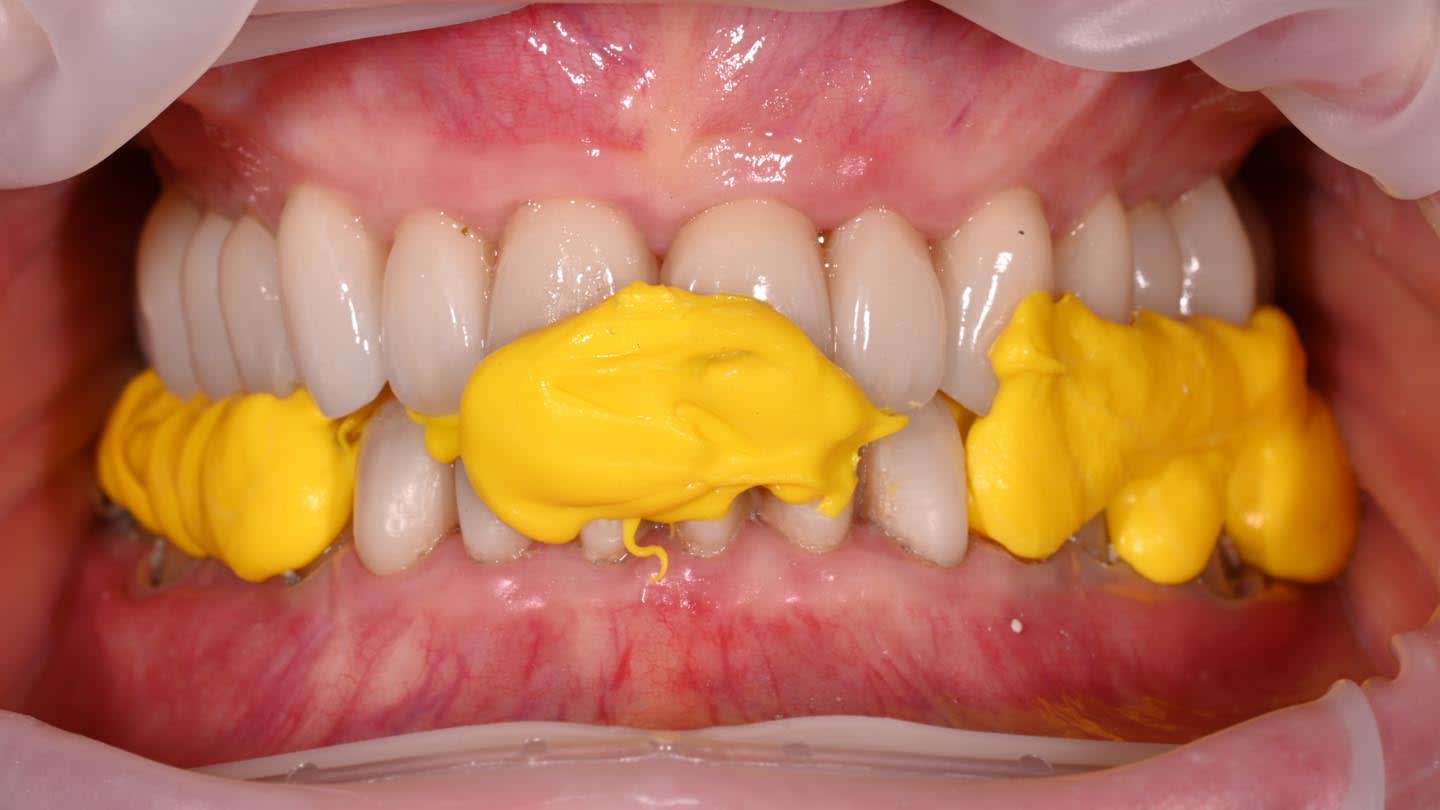
To review the skeletal, dentoalveolar, dental, and soft-tissue effects of MARPE treatment across various studies, highlighting its clinical significance.
Key Findings:
MARPE leads to significant lateral displacement of maxillary and zygomatic bones, with quantifiable metrics.
A pyramidal pattern of maxillary expansion was observed with MARPE, indicating a specific expansion profile.
Significant increases in dentoalveolar and skeletal measurements were noted one year after MARPE, with statistical significance.
Age and palatal length negatively correlate with midpalatal suture opening, suggesting age-related treatment considerations.
MARPE uniformly increased the width of the anterior and posterior nasal cavity, with implications for respiratory function.
Both MARPE and RPE significantly increased airway volumes in the short term, with potential long-term benefits.
Interpretation:
MARPE is an effective treatment for maxillary transverse deficiency, showing positive skeletal and dental changes; however, careful monitoring of alveolar bone thickness is crucial to prevent complications.
Limitations:
Variability in sample sizes and demographics across studies may affect generalizability.
Some studies lacked long-term follow-up data, limiting understanding of sustained effects.
Potential biases in measurement techniques could influence results, necessitating careful interpretation.
Conclusion:
MARPE demonstrates significant benefits in maxillary expansion and airway improvement, but further research is needed to confirm long-term outcomes and monitor potential complications, emphasizing the need for ongoing studies.
Often times patients present with an immediate concern, however other underlying problems may exist that might also need to be addressed in order to fully resolve the issue.