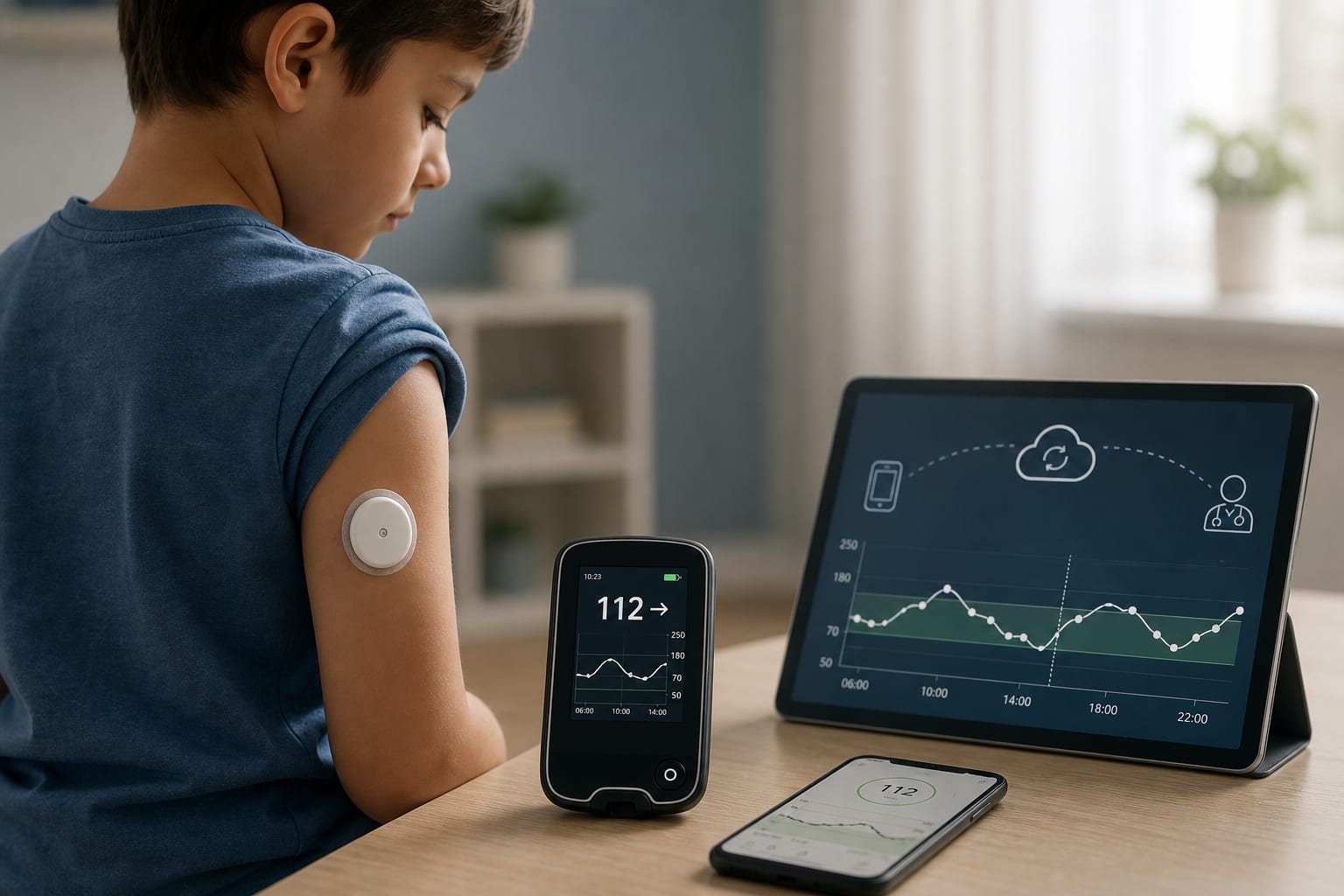
To investigate healthcare adoption potential for paediatric diabetes care related to current IoT sensor technology.
Approach:
Research Methods: Based on the Technology Acceptance Model as the theoretical framework, this study uses mixed methods. A quantitative survey of 90 parents concerning IoT is analyzed with Fuzzy-Set Qualitative Comparative Analysis (fsQCA) and Partial Least Squares Structural Equation Modelling (PLS-SEM), combined with qualitative thematic analysis of semi-structured contextual interviews with 10 paediatric HCPs.
Key Findings:
PLS-SEM analysis revealed that perceived ease of use and usefulness positively affect user predispositions and willingness to adopt IoT solutions in paediatric diabetes care.
High positive attitudes and perceived usefulness support the use of IoT solutions, despite low perceived ease of use.
Qualitative interviews highlighted the importance of usability, integration with existing systems, and concerns about data access and privacy.
Interpretation:
Technological system design must prioritize clinical utility and impacts, providing necessary training and consulting users for effective integration into existing systems.
Limitations:
The study primarily focuses on perceptions and readiness of parents and HCPs, which may not represent broader stakeholder views.
Potential biases in qualitative interviews and survey responses may affect the findings.
Conclusion:
The research provides quantitative and qualitative support for the importance of HCPs' attitudes and perceived usefulness of IoT technologies as key drivers of their adoption in diabetes management.