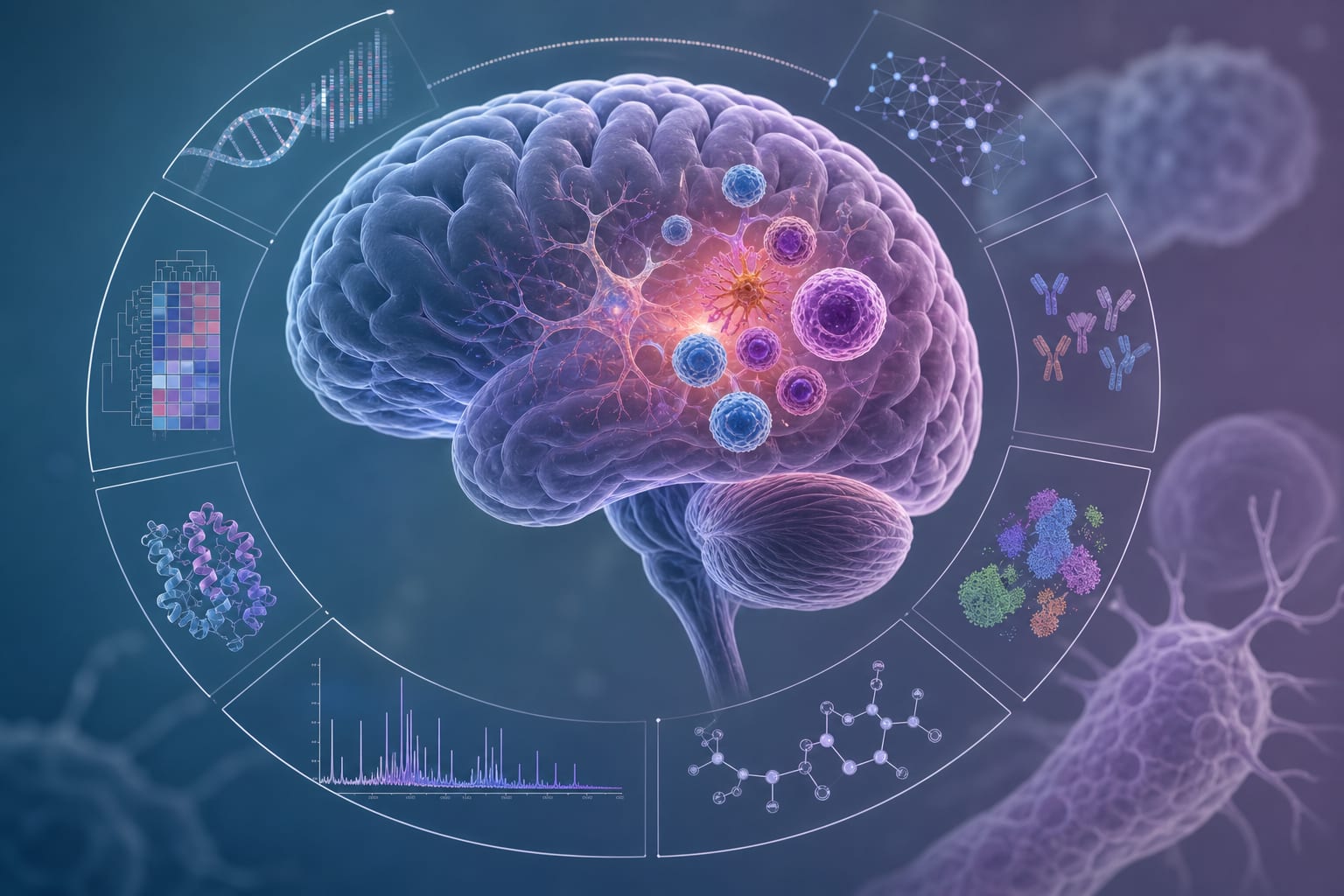
To critically examine the application of integrated multi-omics approaches in autoimmune encephalitis (AE) research, focusing on immunological mechanisms, biomarker identification, and precision medicine strategies.
Approach:
Multi-Omics Technologies: Utilization of genomics, transcriptomics, proteomics, metabolomics, and immunomics to explore the immunopathophysiology of AE.
Biomarker Identification: Identification of potential diagnostic and prognostic biomarkers with rigorous validation frameworks.
Precision Medicine: Development of tailored treatment strategies based on individual immunophenotypic profiles.
Critical Appraisal: Evaluation of current evidence quality and methodological limitations in AE research.
Key Findings:
AE is characterized by immune-mediated attacks on neuronal antigens, leading to diverse clinical manifestations, including cognitive deficits, seizures, and behavioral abnormalities.
Pathogenic autoantibodies disrupt synaptic transmission and neuronal function in various AE subtypes, such as anti-NMDAR and anti-LGI1 encephalitis.
Emerging fluid biomarkers and novel imaging techniques show promise for improving diagnostic accuracy, particularly in seronegative cases.
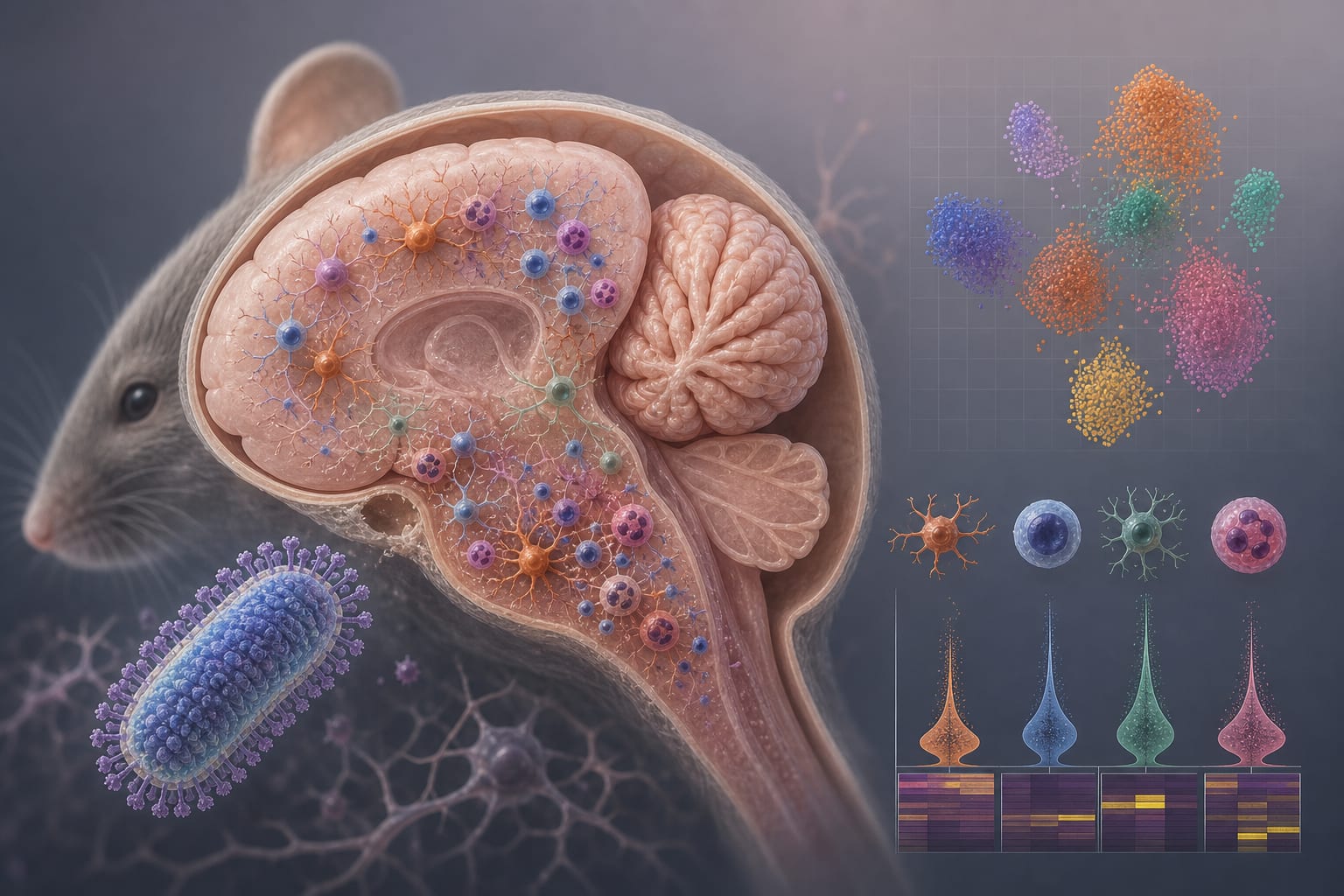
Multi-omics approaches provide insights into the complex immune-neuronal interactions in AE, highlighting the roles of B cells, CD4+ T cells, and CD8+ cytotoxic T cells.
Interpretation:
The integration of multi-omics data offers a comprehensive framework for understanding AE, though challenges in data standardization, clinical validation, and implementation remain.
Limitations:
Substantial challenges in data standardization and clinical validation.
Current biomarkers require further validation before routine clinical use.
Traditional diagnostic modalities have limitations in sensitivity and specificity, especially in antibody-negative cases, which complicate diagnosis and treatment.
Conclusion:
The article aims to establish a comprehensive immunological framework to support future advancements in personalized therapeutic interventions for AE.