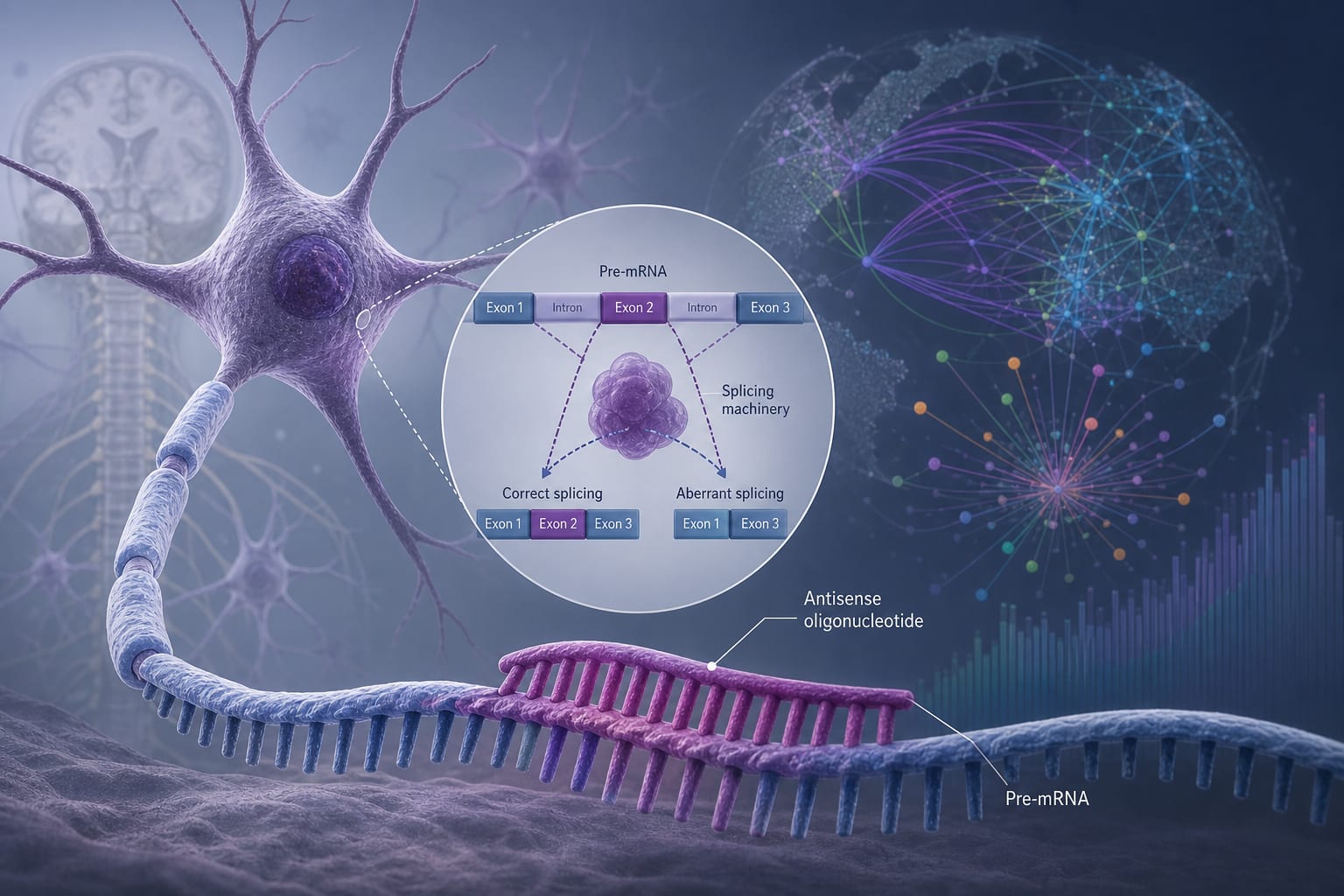
Alternative splicing-based therapeutics for neurodegenerative diseases: a dual-database bibliometric and NLP-driven analysis (2000–2025) - Summary - MDSpire
Advertisement
Alternative splicing-based therapeutics for neurodegenerative diseases: a dual-database bibliometric and NLP-driven analysis (2000–2025)
To systematically analyze global research trends, conceptual frameworks, and clinical evolution of alternative splicing (AS)-based therapeutics for neurodegenerative diseases (NDDs), highlighting their significance in addressing therapeutic gaps.
Approach:
Key Findings:
Sustained linear growth in publication output from 2000 to 2025, indicating increasing interest in AS-based therapeutics.
The United States and Western Europe are dominant collaborative hubs, while China shows high productivity but limited international integration, suggesting potential for enhanced global collaboration.
LDA topic modeling identified three core conceptual axes: molecular mechanisms, disease-specific pathological models, and translational methodological frameworks, which are crucial for guiding future research.
Keyword trajectories indicate a shift from in vitro exploration to clinical drug discovery and RNA therapeutics, reflecting the evolving landscape of NDD treatment.
CLARA clustering revealed a concentration of splicing-modifying interventions in pediatric spinal muscular atrophy (SMA), highlighting the need for similar approaches in adult NDDs.
Interpretation:
The study delineates the structural landscape of AS-based therapeutics for NDDs, indicating a shift from descriptive molecular biology to clinically actionable splicing interventions, which could significantly impact treatment strategies.
Limitations:
The analysis is limited to publications available in the selected databases (WoSCC and PubMed), which may not encompass all relevant research.
The study may not capture all relevant research trends outside the specified timeframe, potentially overlooking emerging studies.
Conclusion:
Insights from this study highlight the need to expand targeted RNA platforms beyond SMA into adult neurodegenerative populations, providing a roadmap for future translational research and emphasizing the urgency of addressing adult NDDs.