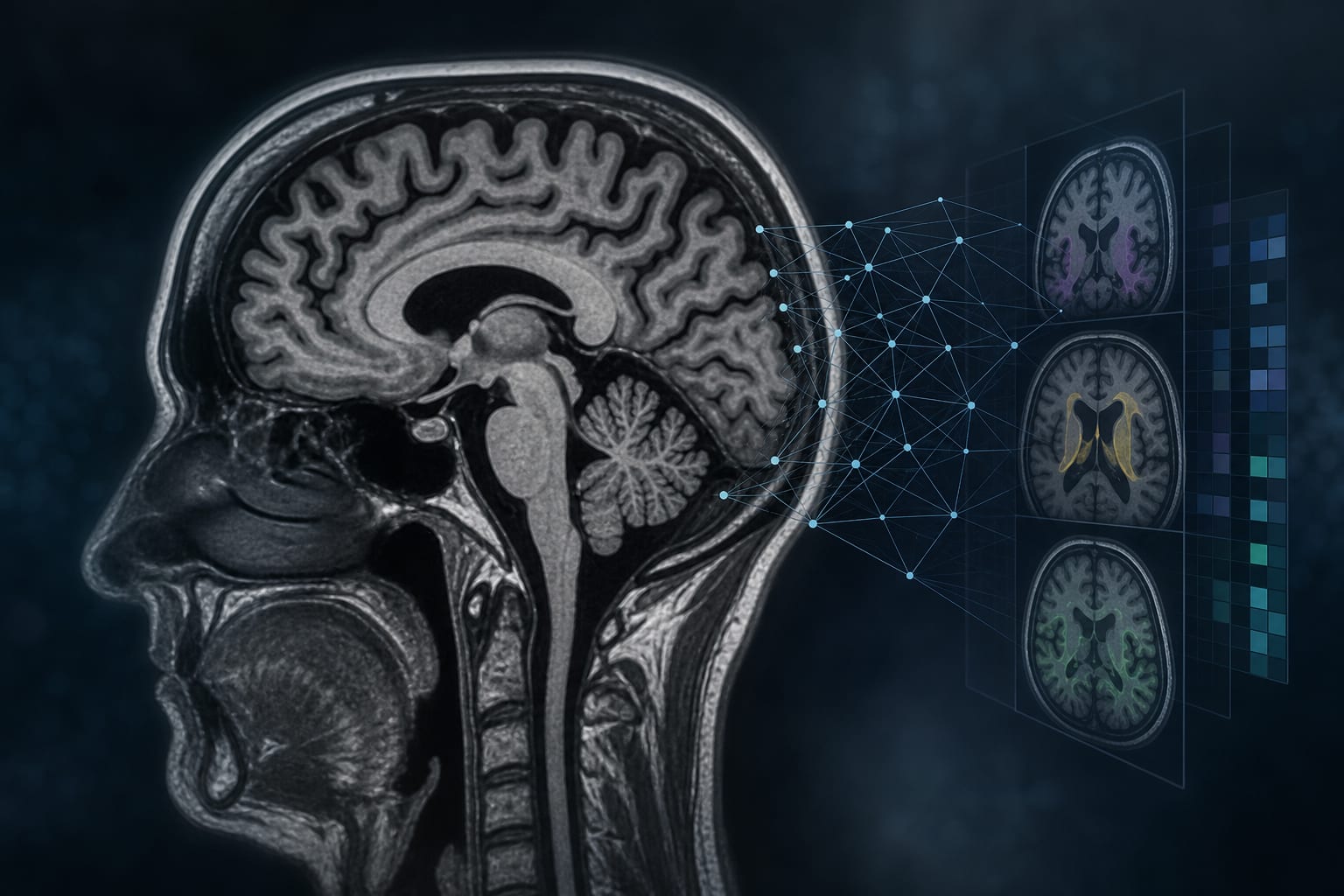
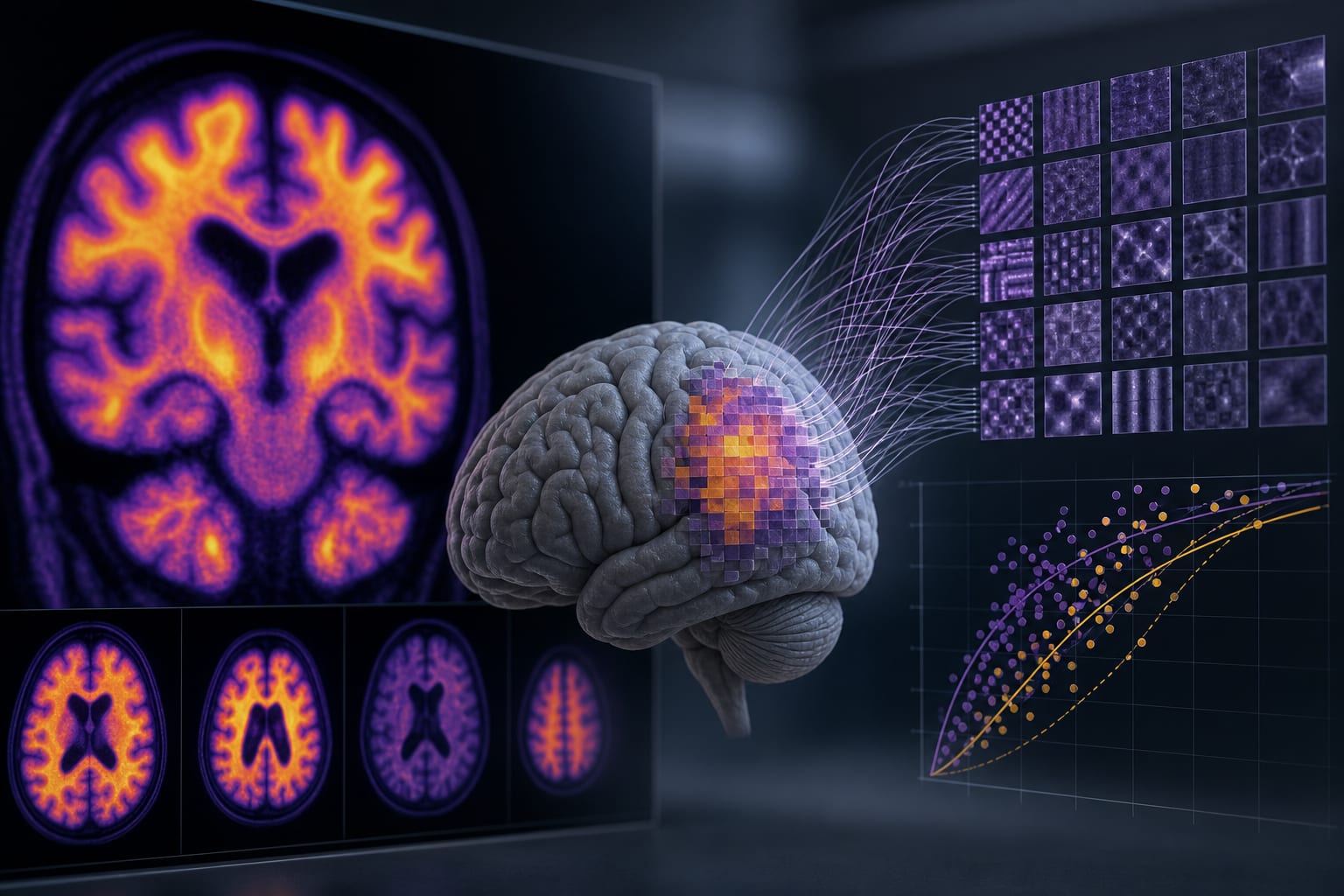
To assess the limitations and challenges of using AI for the detection of Alzheimer's disease through MRI diagnostics, highlighting the significance of addressing these issues in the context of advancing technology.
Key Findings:
Limited access to extensive, curated, and diverse multimodal datasets, which hampers model training.
High model complexity leading to risks of overfitting on small cohorts, affecting reliability.
Insufficient interpretability and clinical validation of AI decisions, raising concerns among practitioners.
Computational inefficiency and excessive energy consumption, limiting practical deployment.
Challenges in generalizing models across heterogeneous cohorts and imaging guidelines, impacting widespread adoption.
Interpretation:
Modern research often emphasizes marginal improvements in diagnostic accuracy rather than addressing critical translational challenges, such as integration into clinical workflows and regulatory approval.
Limitations:
Restricted datasets limit generalizability, making it difficult to apply findings across diverse populations.
Complexity of the disease varies among patients, complicating AI tool application and effectiveness.
Need for training among doctors to interpret AI-generated explanations, which may hinder adoption.
High efficiency and hardware resource demands for ML/DL models, posing barriers to implementation in clinical settings.
Conclusion:
The study highlights the need for federated learning, explainable AI frameworks, and standardized benchmarking protocols to enhance the clinical applicability of AI in early Alzheimer's detection, urging researchers to prioritize these areas in future studies.