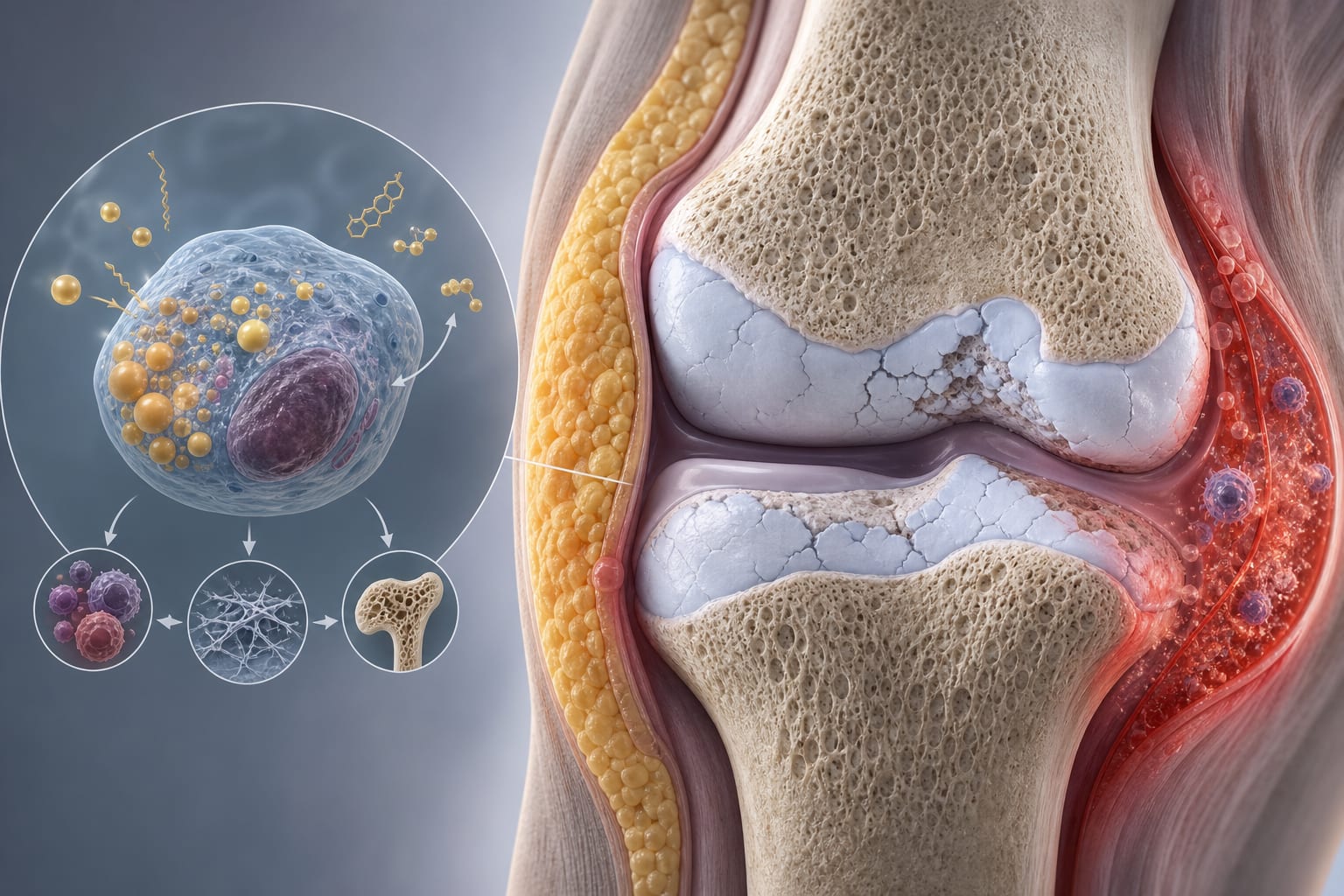
To characterize the functional heterogeneity of synovial macrophages and their contributions to joint homeostasis and pathology.
Approach:
Ontogeny of Synovial Macrophages: A mini-review synthesizes current understanding of macrophage developmental origins and their impact on synovial macrophage function.
Age and Sex Effects: Dapas et al. used single-cell RNA-seq to analyze transcriptional profiles of synovial macrophages from male and female young and aged mice.
RELMα+ Macrophages: Schonfeldova et al. investigated RELMα+ interstitial macrophages and their role in recruiting monocytes during inflammatory arthritis.
Pyroptosis in Arthritis: Yao et al. conducted a meta-analysis to identify pyroptosis-related gene expression in synovial macrophages associated with inflammation.
Macrophage-Myofibroblast Transformation: A broader review explores the transition of macrophages to myofibroblast-like phenotypes in fibrotic diseases.
Key Findings:
Synovial macrophages exhibit divergent pathogenic or protective functions influenced by local and systemic signals.
Age and sex significantly affect the transcriptional profiles of synovial macrophages.
RELMα+ interstitial macrophages play a crucial role in orchestrating monocyte recruitment during inflammation.
PYCARD is identified as a core pyroptosis gene in synovial macrophages associated with inflammation.
Macrophages can transition to myofibroblast-like phenotypes, contributing to fibrosis and chronic tissue pathology.
Interpretation:
Limitations:
The studies primarily utilized mouse models, which may not fully replicate human conditions.
The effects of macrophage subpopulations in females remain less understood compared to males.