To clarify and unify reported risk factors for decompressive craniectomy (DC) following endovascular thrombectomy (EVT), identify clinical and imaging predictors for early decision-making, and highlight areas of controversy regarding EVT and DC rates.
Key Findings:
Malignant middle cerebral artery (MCA) infarction occurs in 1-10% of supratentorial ischemic strokes but has a fatality rate of nearly 80%.
Decompressive craniectomy lowers mortality and enhances functional outcomes in patients with malignant MCA infarction.
Despite EVT, mortality and disability rates remain high (40-55.5%) due to cerebral edema and hemorrhagic transformation.
12-27% of patients do not achieve recanalization after EVT, and some still require DC post-recanalization.
Interpretation:
Identifying risk factors for DC after EVT is crucial for improving patient outcomes and guiding clinical decision-making in acute ischemic stroke management.
Limitations:
Substantial heterogeneity in study designs and outcome measures prevented formal meta-analysis.
No prospective registration of the systematic review was conducted, which is ideal for systematic reviews to ensure transparency and rigor.
Conclusion:
This systematic review is the first to synthesize literature on DC after EVT, highlighting the need for early identification of patients at risk for surgical intervention to improve outcomes.
Severe social jet lag among surgeons was associated with higher rates of major adverse events, independent of sleep duration, workload, and patient risk.
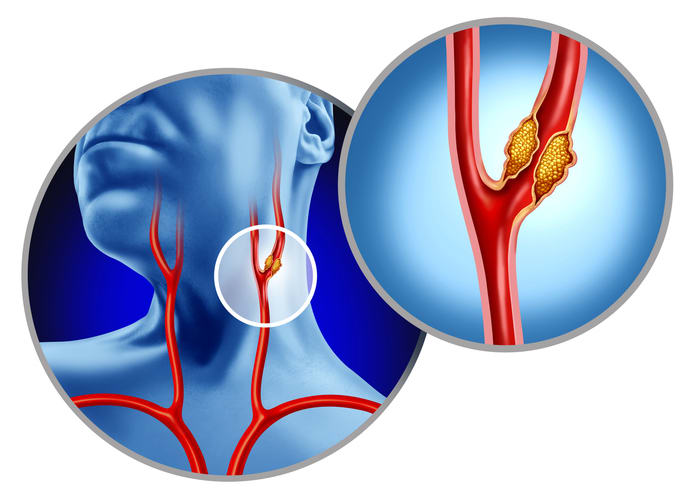
In this procedural case review, vascular surgeon Dr. Samuel Steerman performs a right carotid endarterectomy on a woman in her 60s who experienced a stroke related to carotid artery plaque.