Immunometabolic reprogramming and glycolysis-associated signatures in sepsis: insights from single-cell RNA sequencing and machine learning - Summary - MDSpire
Advertisement
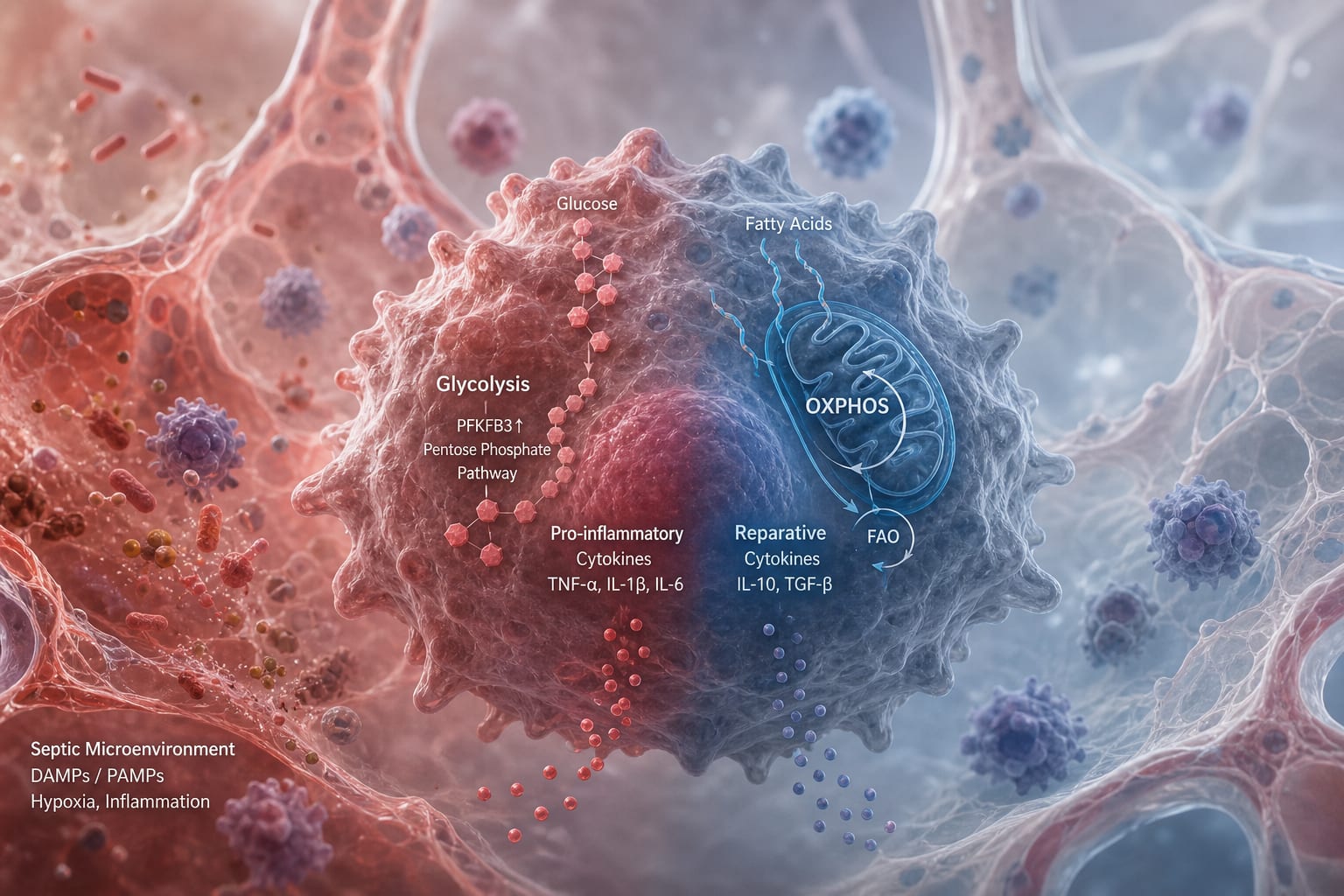
Immunometabolic reprogramming and glycolysis-associated signatures in sepsis: insights from single-cell RNA sequencing and machine learning
To characterize immune-cell composition, glycolysis-related pathways, and intercellular interactions in sepsis, and to identify potential biomarkers using specific machine-learning techniques.
Key Findings:
Sepsis showed myeloid dominance and elevated glycolysis indices, especially in monocytes and plasma cells, suggesting a potential target for therapeutic intervention.
Five candidate biomarkers (GLRX, MDH1, MDH2, TGFBI, COPB2) were identified with strong discriminatory efficacy, warranting further investigation.
TGFBI was enriched in monocytes and was central to a communication network involving B cells, plasma cells, and neutrophils, indicating its role in immune response.
qRT-PCR confirmed significant differences for TGFBI in the CLP model, reinforcing its potential as a biomarker.
Interpretation:
The findings suggest that elevated glycolysis-related pathways are associated with a monocyte-focused communication framework involving TGFBI, highlighting its potential as a biomarker in sepsis.
Limitations:
The study relies on publicly available datasets, which may introduce variability that could affect the robustness of the findings.
The datasets used differ in disease stage and sample composition, limiting direct comparisons and generalizability of the results.
Conclusion:
The study emphasizes the role of glycolysis in sepsis and identifies TGFBI as a promising biomarker for further validation, highlighting the need for additional research.