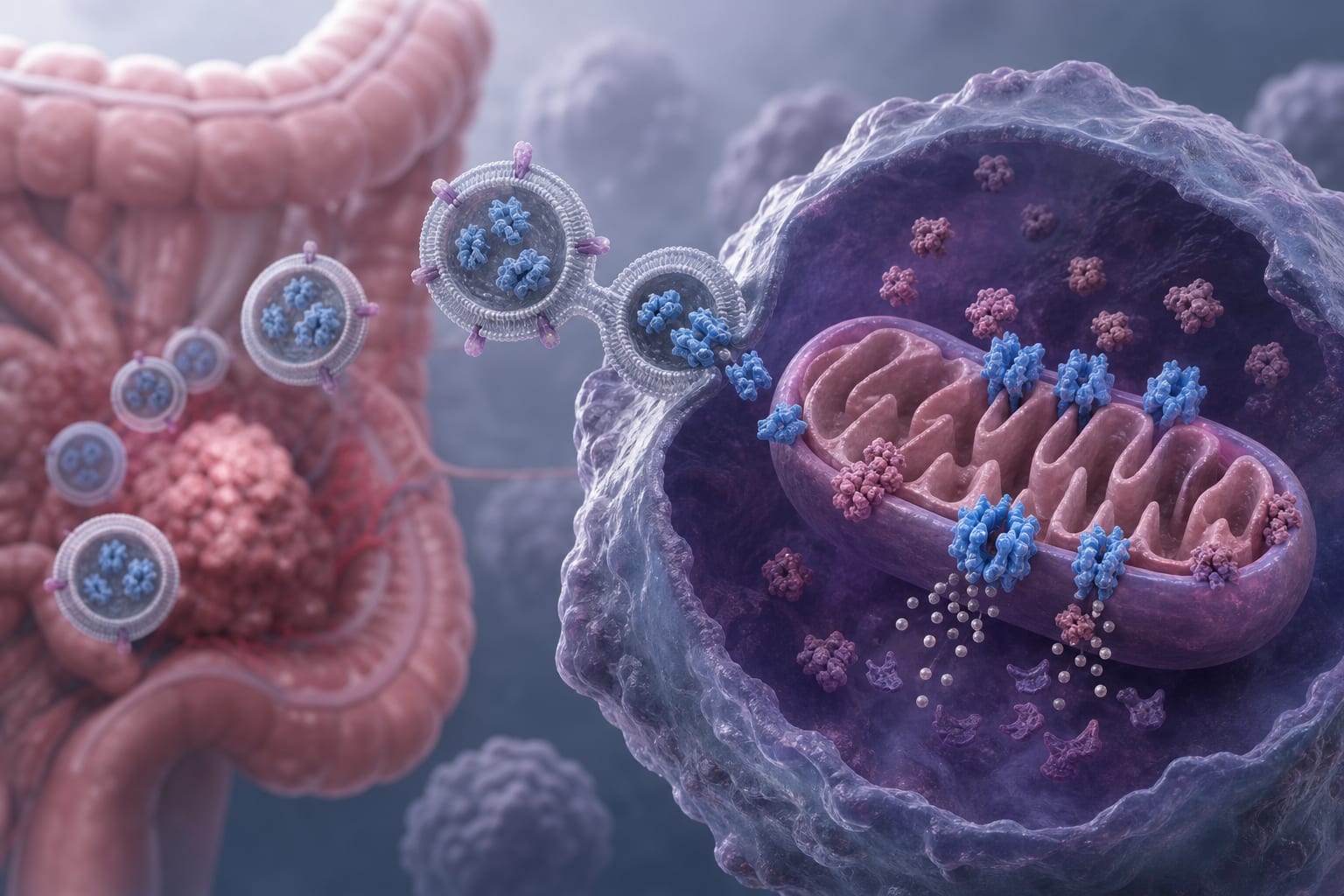
GM-CSF promotes pro-inflammatory macrophage activation associated with Akt/mTOR signaling during experimental colitis
-
By
-
Silan Shen
-
Kexin Chen
-
Lili Li
-
Mingshan Jiang
-
Yongbin Jia
-
Xiufeng Bai
-
Zhen Zeng
-
Chunxiang Ma
-
Yuan Dang
-
Kehan Hu
-
Yanqiong Chen
-
Wenting Zhang
-
Zhiyong Miao
-
Linlin Chen
-
Hu Zhang
-
June 26, 2026
-
Objective:
To investigate the role of GM-CSF in ulcerative colitis (UC) and its mechanism of action on macrophage activation.
Approach:
- GM-CSF Expression Analysis: Examined GM-CSF expression in colon biopsy tissues from UC patients and healthy controls.
- Animal Model Study: Utilized a DSS-induced colitis mouse model to evaluate the effects of GM-CSF neutralizing antibody.
- In Vitro Experiments: Assessed macrophage polarization and glycolysis-related genes in response to GM-CSF.
- Pathway Analysis: Investigated the involvement of the Akt/mTOR signaling pathway in macrophage activation.
Key Findings:
- GM-CSF expression was significantly elevated in colon biopsy tissues from UC patients compared to healthy controls.
- Administration of GM-CSF neutralizing antibody (GM-CSF Ab) to DSS-treated mice reduced gut inflammation.
- GM-CSF Ab inhibited macrophage and inflammatory CD4+ Th cell infiltration in DSS-colitis mice.
- GM-CSF induced M1-type polarization of macrophages and enhanced Th17 responses.
- The proinflammatory macrophage phenotype induced by GM-CSF was linked to glycolytic metabolism via the Akt/mTOR pathway.
Interpretation:
GM-CSF is associated with macrophage activation and intestinal inflammation through modulation of glycolytic metabolism and the Akt/mTOR pathway.
Limitations:
- The study primarily focused on animal models and human biopsy samples, which may not fully represent all aspects of UC pathology.
- Further research is needed to clarify the dual role of GM-CSF in different inflammatory contexts.
Conclusion:
GM-CSF plays a significant role in promoting intestinal inflammation by regulating macrophage function and metabolism.