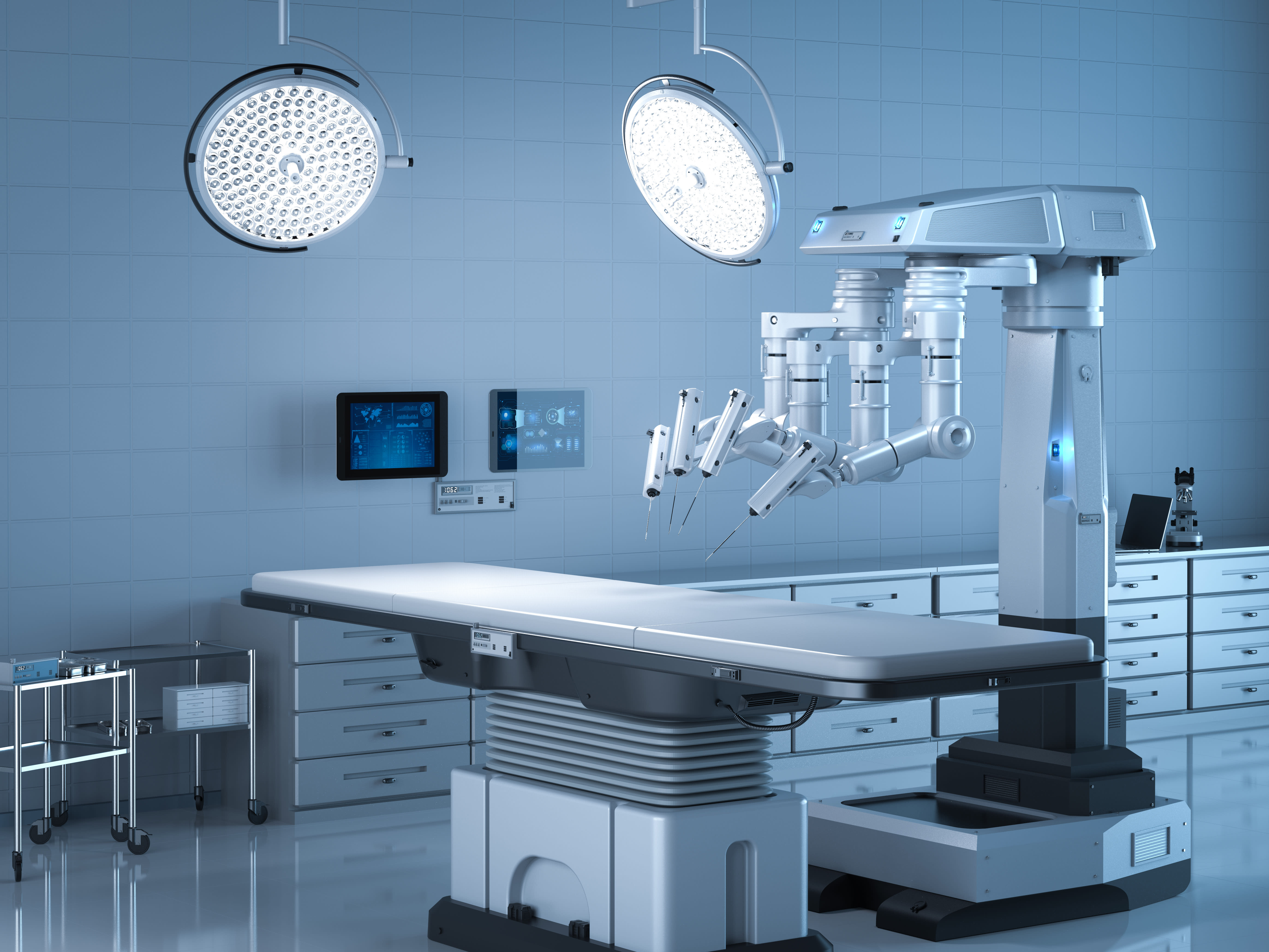
To evaluate the early outcomes of robotic-assisted surgery in gynecology and compare them to conventional laparoscopy, highlighting the significance of this comparison.
Key Findings:
Robotic-assisted surgeries showed efficient docking, short surgical duration, minimal blood loss, and low pain perception, with a note on cost-effectiveness.
The Dexter robotic system allowed integration with laparoscopic techniques without intraoperative complications, with potential implications for fertility preservation.
Postoperative complications included a 12.5% rate of vaginal dome infections in the Dexter study, higher than conventional methods, highlighting the need for further investigation.
Interpretation:
While robotic-assisted surgery shows promise, the evidence is insufficient to conclude that newer robotic systems improve outcomes over conventional laparoscopy, necessitating more robust studies.
Limitations:
Both studies had small sample sizes and were conducted at single centers, with limited diversity in patient demographics.
The Hugo study lacked a comparison group, limiting outcome interpretation.
Conclusion:
Further research is essential to compare robotic platforms with laparoscopic surgery and to evaluate long-term outcomes, cost-effectiveness, and the development of standardized training curricula.
Mendelian randomization analyses linked higher birthweight with greater mid-childhood height but the connection could reflect genetic factors related to skeletal growth.