To present evidence linking constitutional and acquired ribosomal dysfunction to leukemogenesis and tumorigenesis, highlighting mechanisms and outlining priorities for translational research and precision therapy.
Approach:
Key Findings:
Inherited ribosomopathies cause tissue hypoplasia and bone marrow failure but increase the risk of myelodysplastic syndrome (MDS), acute myeloid leukemia (AML), and selected solid tumors.
Somatic alterations affecting ribosomal proteins and ribosome regulatory pathways recur across various malignancies, including pediatric cancers.
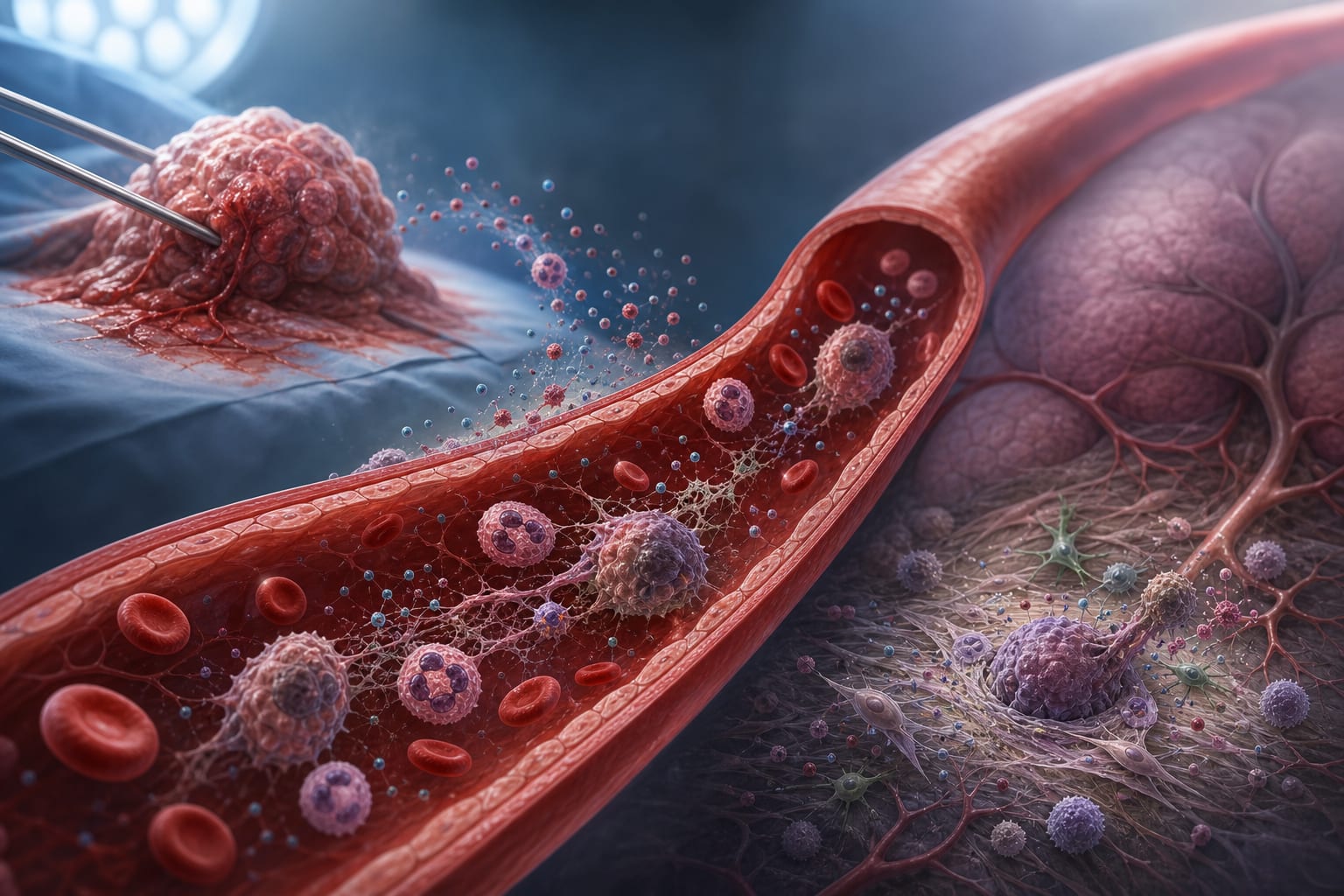
Oncogenic ribosome disturbances can reprogram translation toward specific mRNA subsets, alter translational fidelity, trigger nucleolar/ribosomal stress signaling via the 5S ribonucleoprotein (5S RNP)–MDM2–p53 axis, and enable selection for compensatory or cooperating lesions.
Interpretation:
The review emphasizes the dual role of ribosomal dysfunction in both hypo-proliferative and hyper-proliferative contexts, necessitating a nuanced understanding for risk stratification and therapeutic intervention.
Limitations:
The literature search was last updated on 6 March 2026, which may not include the most recent studies.
The focus was primarily on pediatric malignancies, which may limit applicability to adult cancers.
Conclusion:
Understanding the mechanisms of ribosomal dysfunction is crucial for developing targeted therapies and improving patient outcomes in pediatric malignancies.