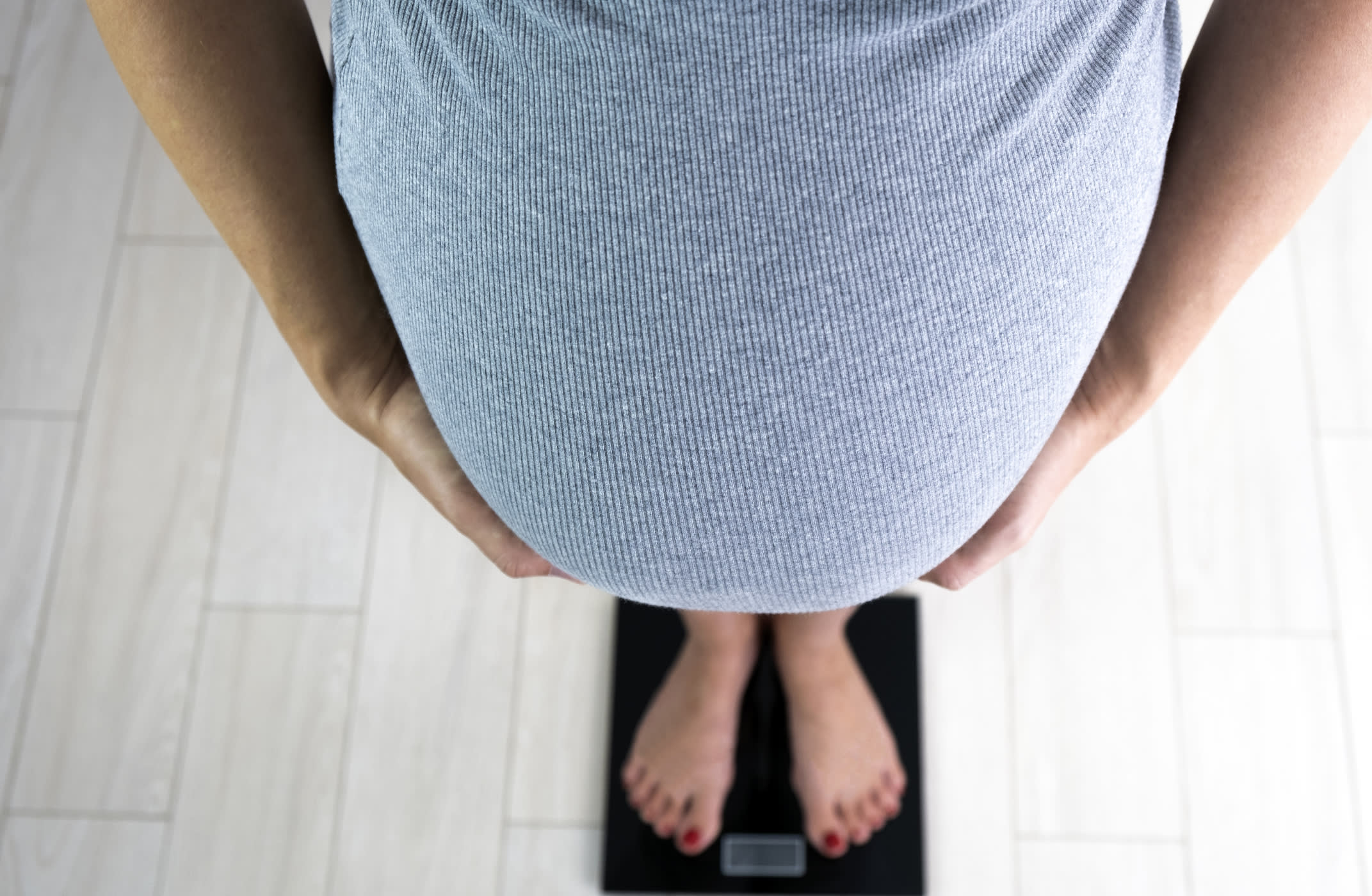
To evaluate the effectiveness of the GROWell app-based dietary intervention in reducing excessive gestational weight gain (GWG) and postpartum weight retention (PPWR) compared to an educational control group that did not provide dietary guidance.
Key Findings:
Excessive GWG occurred in 35% of the intervention group and 36% of the control group, indicating no significant difference.
At 6 months postpartum, 23% of the intervention group and 26% of the control group met criteria for PPWR, showing no significant reduction.
Interpretation:
Despite the lack of significant differences between groups, the overall rates of excessive GWG and PPWR were lower than national averages, possibly due to participant characteristics such as higher education levels and the impact of self-monitoring.
Limitations:
The study may have attracted a self-selected, motivated cohort with higher education levels, which could limit generalizability.
The intervention's effectiveness may vary if delivered before conception or tailored to different demographic groups.
Conclusion:
Future research should explore the timing of the intervention, incorporate physical activity, and develop specific strategies for tailoring content to diverse demographics to enhance effectiveness.
Mendelian randomization analyses linked higher birthweight with greater mid-childhood height but the connection could reflect genetic factors related to skeletal growth.