Paediatric metabolic dysfunction-associated steatotic liver disease (MASLD): a growing health concern in the age of childhood obesity - Summary - MDSpire
To synthesize current evidence on metabolic dysfunction-associated steatotic liver disease (MASLD) in children and adolescents, highlighting its prevalence, pathophysiology, and management.
Approach:
Literature Review: A structured search of PubMed, Scopus, and Web of Science for relevant literature up to the most recent year, focusing on original studies, randomized controlled trials, systematic reviews, and consensus statements.
Key Findings:
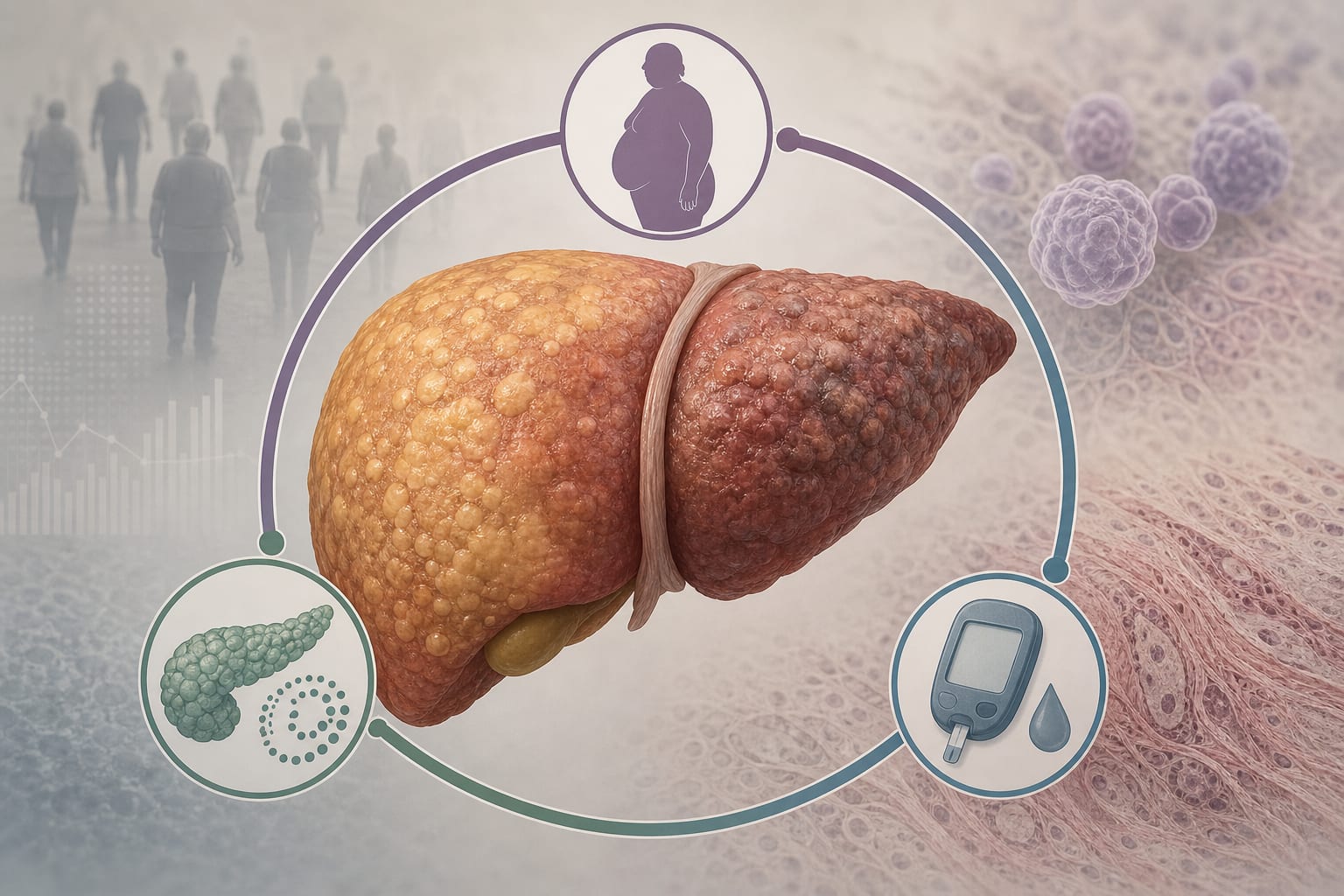
MASLD is the most common chronic liver disease in children, with a prevalence of 13% in the general population and 47% among obese children, with higher rates observed in certain ethnic groups and in males.
The pathophysiology involves insulin resistance, genetic predisposition (notably variants in PNPLA3, TM6SF2, GCKR, MBOAT7, and HSD17B13), inflammation, and gut-liver axis dysregulation.
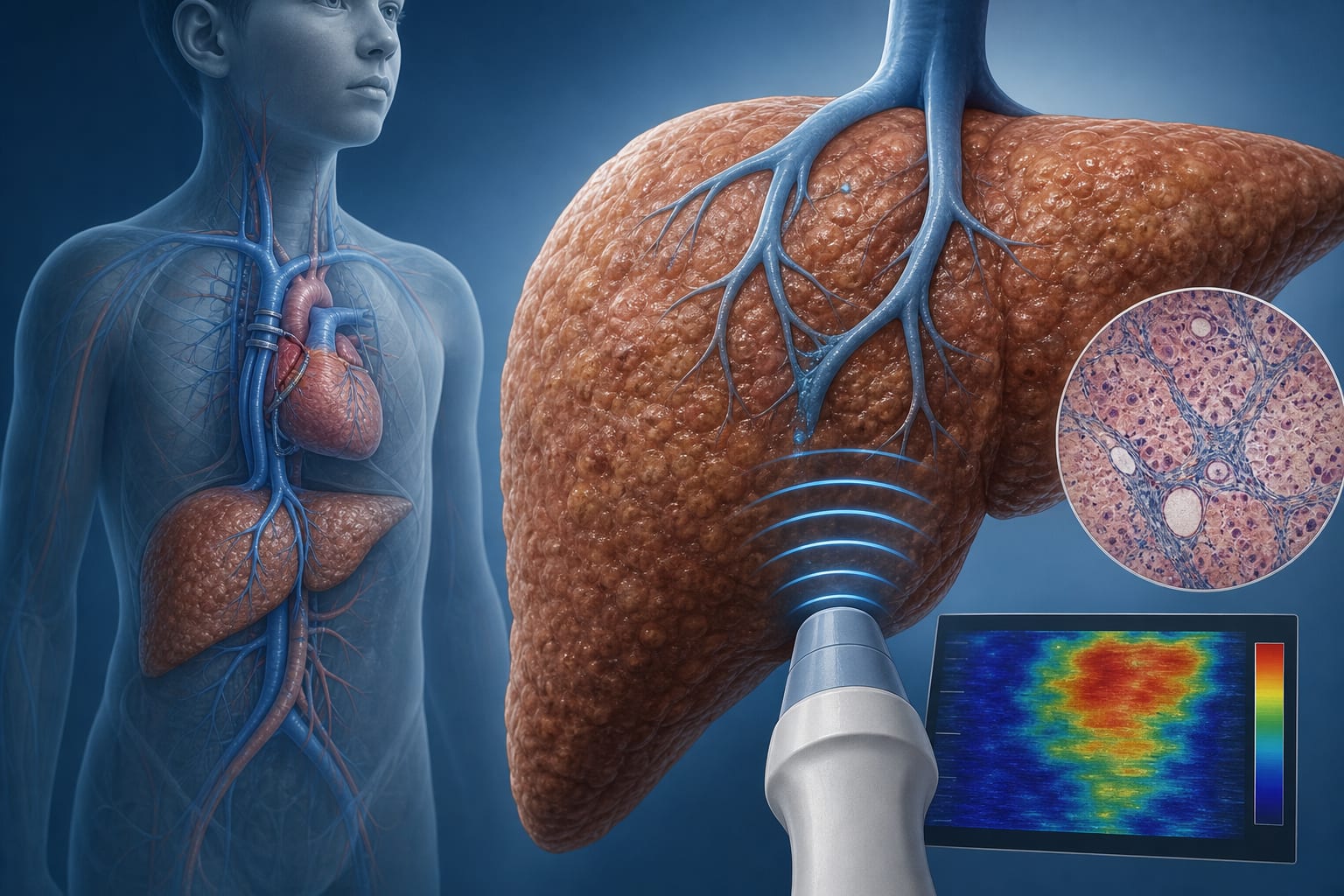
Early stages of MASLD are often asymptomatic, complicating early diagnosis.
Lifestyle interventions, particularly a Mediterranean diet and regular physical activity, are essential for management.
Pharmacotherapy options for MASLD in children remain limited, with interventions like vitamin E, omega-3 fatty acids, and GLP-1 receptor agonists being explored.
Interpretation:
The review highlights the growing burden of MASLD in children and adolescents.
Limitations:
Gaps remain in understanding the natural history and early identification of MASLD in children.
Effective therapeutic options for the younger population are still under investigation.
Conclusion:
The review aims to support ongoing research and inform age-appropriate approaches to care for MASLD in children and adolescents.