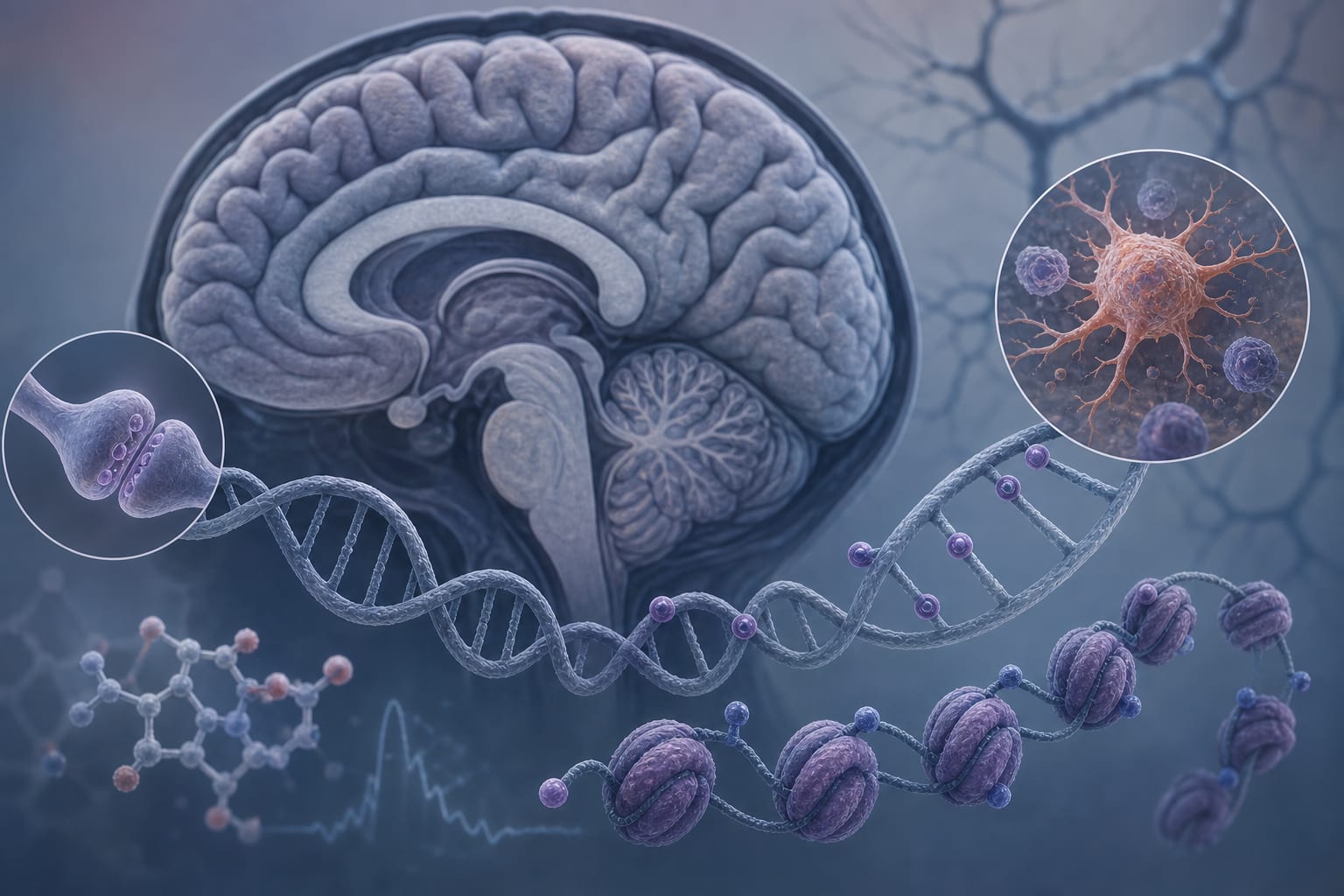
To synthesize current evidence on the neurobiological correlates of suicidal ideation, suicide attempt, and death by suicide in pediatric and adolescent populations.
Key Findings:
Suicidal ideation, suicide attempt, and death by suicide exhibit partially distinct biological signatures.
Cortisol regulation and stress-related DNA methylation markers differ in direction between pediatric and adult cohorts.
Findings suggest a developmental cascade where genetic liability and early-life adversity influence the hypothalamic-pituitary-adrenal axis.
Interpretation:
Pediatric suicidal behavior reflects developmentally distinct biological processes that cannot be inferred from adult findings.
Limitations:
Limited pediatric-specific evidence compared to adult studies.
Need for longitudinal, multimodal pediatric studies.
Conclusion:
Advancing the field requires studies that disaggregate suicidal phenotypes, span the pubertal transition, and apply age-stratified reference ranges.