Exploratory identification of candidate biomarkers and molecular contributors to paclitaxel-induced peripheral neuropathy in patients with breast cancer through proteomic analysis - Summary - MDSpire
Advertisement
Exploratory identification of candidate biomarkers and molecular contributors to paclitaxel-induced peripheral neuropathy in patients with breast cancer through proteomic analysis
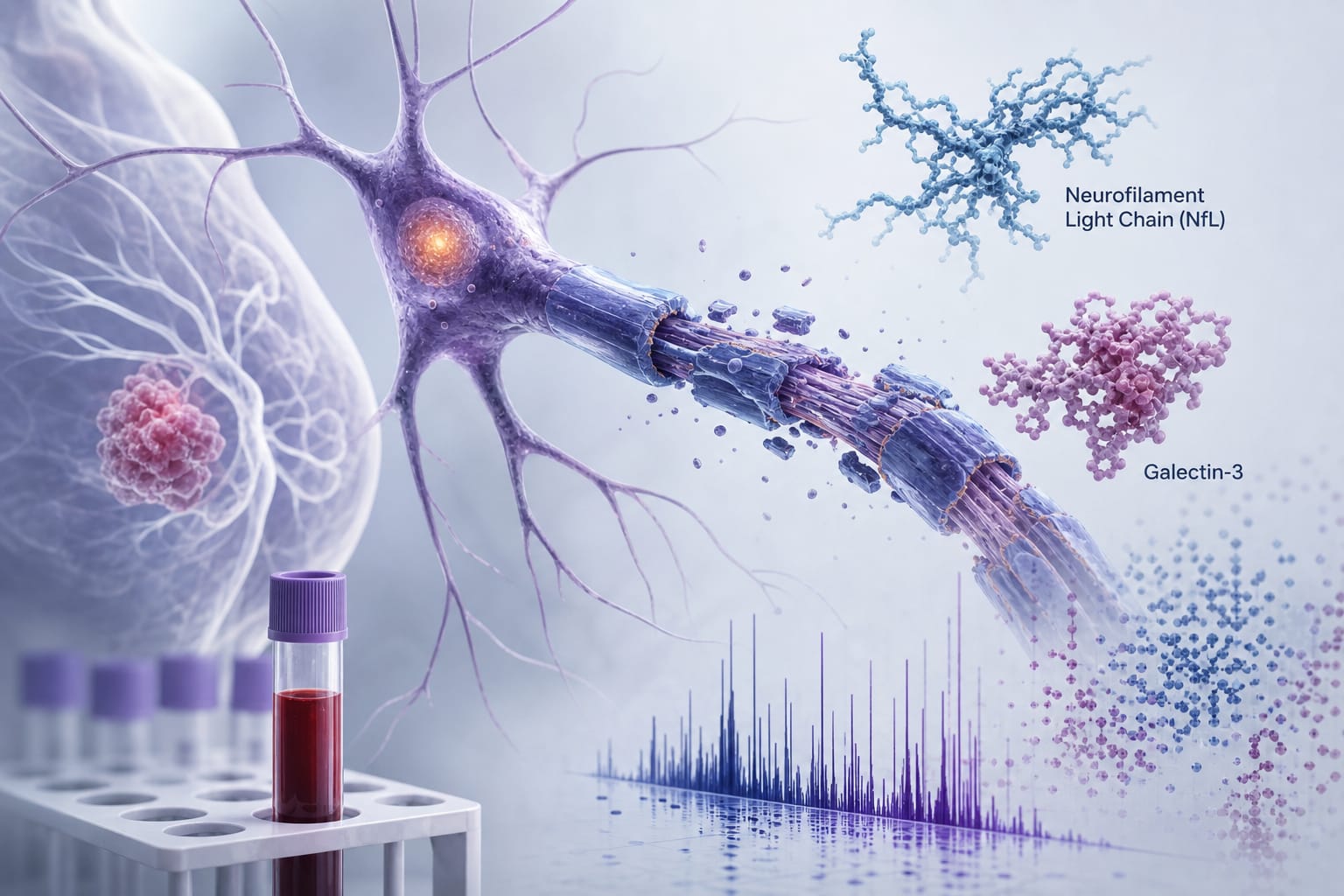
To investigate neurofilament light chain (NfL) and galectin-3 as candidate biomarkers for chemotherapy-induced peripheral neuropathy (CIPN) and to identify novel molecular contributors through proteomic analysis.
Approach:
Key Findings:
NfL levels significantly increased in patients with CIPN as early as 3 weeks after treatment initiation.
NfL levels were markedly higher in patients with CIPN compared to those without.
No changes or differences in galectin-3 levels were observed.
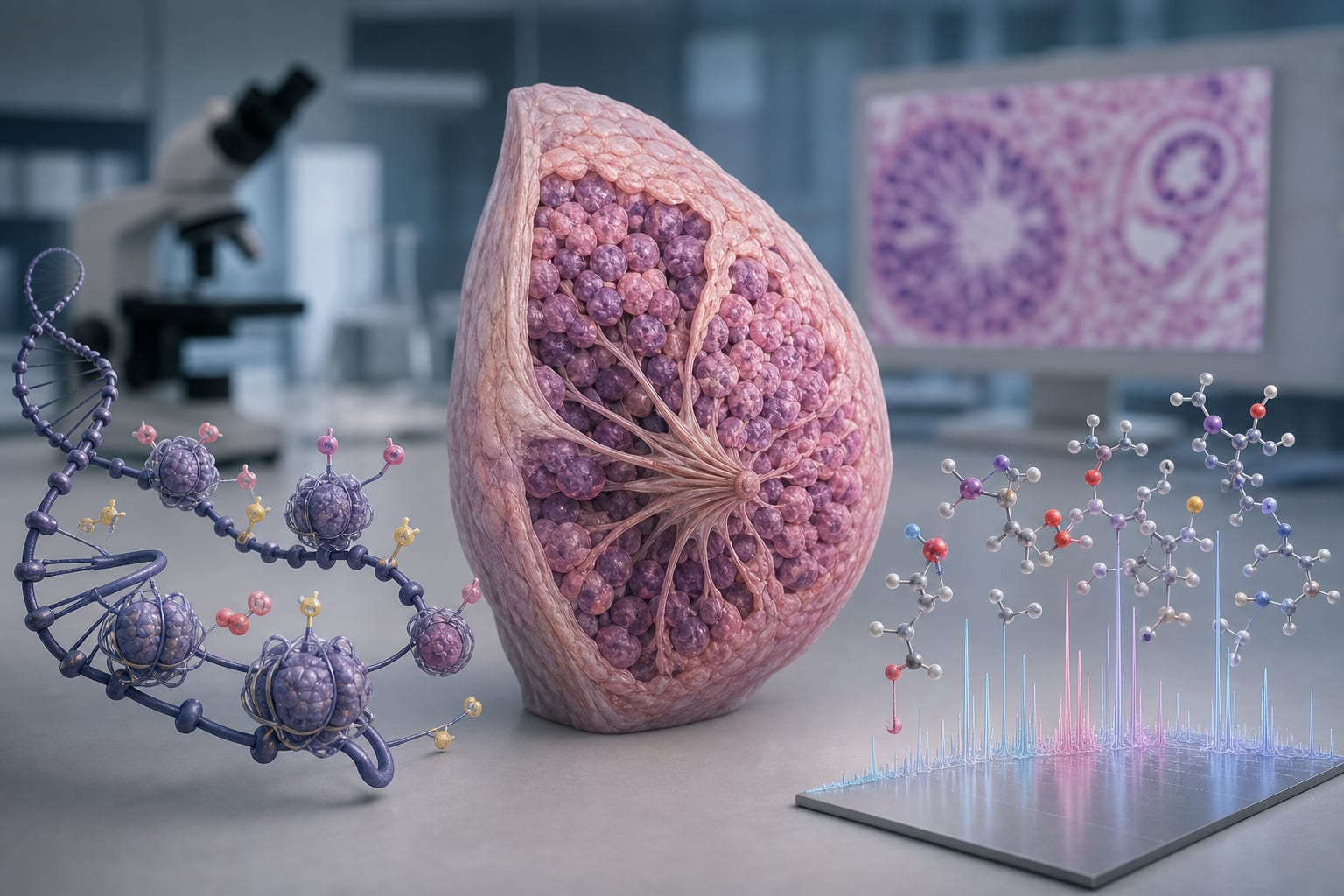
Proteomic analysis revealed upregulation of alcohol dehydrogenase 4 (ADH4) and downregulation of vesicular overexpressed in cancer prosurvival protein 1 (VOPP1) in CIPN, suggesting their involvement in oxidative stress and mitochondrial dysfunction.
Interpretation:
NfL is a potential biomarker for early detection of CIPN, and identified proteins may be involved in the pathogenesis of CIPN.
Limitations:
The study's findings are based on a specific patient population and may not be generalizable; further validation of NfL and identified proteins as biomarkers in diverse populations is needed.
Conclusion:
NfL represents a candidate biomarker for early detection of CIPN, and the study provides insights into the molecular factors associated with CIPN development, emphasizing the integration of biomarkers and proteomics for precision medicine.