To evaluate the efficacy and safety of rivaroxaban for thromboprophylaxis in patients undergoing bariatric surgery.
Approach:
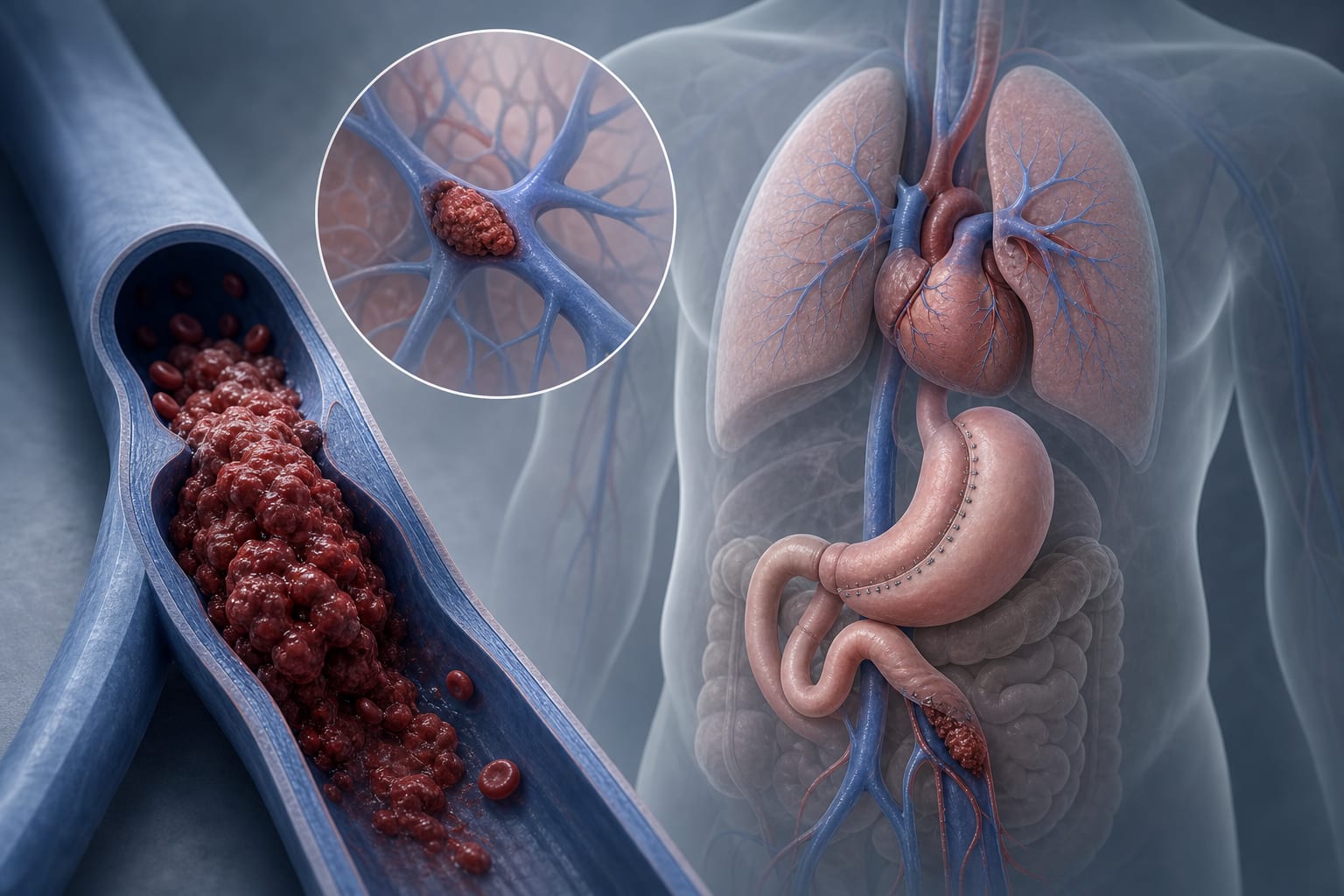
Introduction: The article discusses the increased risk of venous thromboembolism (VTE) in patients undergoing bariatric surgery due to severe obesity, highlighting the need for effective thromboprophylaxis.
Current Guidelines: Clinical guidelines recommend pharmacological thromboprophylaxis with low molecular weight heparin (LMWH) and mechanical measures, but there is no consensus on the best strategy.
Rivaroxaban Overview: Rivaroxaban is an oral anticoagulant with favorable pharmacokinetics and pharmacodynamics, showing promise for VTE prevention in bariatric surgery patients.
Meta-Analysis Findings: A meta-analysis indicated no significant difference in VTE or bleeding risk between rivaroxaban and LMWH in non-major orthopedic surgery.
Pharmacokinetics Post-Surgery: Rivaroxaban maintains stable pharmacokinetics and pharmacodynamics post-bariatric surgery, with no need for routine dose adjustments.
Key Findings:
VTE rates after bariatric surgery range from 0.2% to 5%, with significant morbidity and mortality, contributing to 30-day mortality.
Rivaroxaban shows consistent pharmacokinetics in obese patients and does not require routine monitoring.
Current evidence suggests rivaroxaban is effective for VTE prevention post-bariatric surgery, but further research is needed.
Interpretation:
Limitations:
Limited clinical data on the use of rivaroxaban specifically in bariatric surgery patients.
Questions remain regarding optimal dosing and duration of treatment.
Conclusion:
Further clinical research is required to establish the safety and efficacy of rivaroxaban in individuals undergoing bariatric procedures.