Integrating polyphenols and exercise in cancer prevention, treatment, and rehabilitation: cellular and molecular mechanisms linking the injury–recovery–musculoskeletal resilience axis - Summary - MDSpire
Advertisement
Integrating polyphenols and exercise in cancer prevention, treatment, and rehabilitation: cellular and molecular mechanisms linking the injury–recovery–musculoskeletal resilience axis
To review the effects of exercise and polyphenol supplementation on musculoskeletal integrity and recovery in cancer management.
Approach:
Mechanistic Pathways: The review discusses how polyphenols like curcumin, resveratrol, quercetin, and green tea catechins modulate oxidative stress, inflammation, apoptosis, autophagy, and anabolic signaling in various tissues.
Exercise Effects: Exercise activates pathways such as PI3K/Akt/mTOR, MAPK/ERK, AMPK, and Nrf2, enhancing protein synthesis and mitochondrial biogenesis.
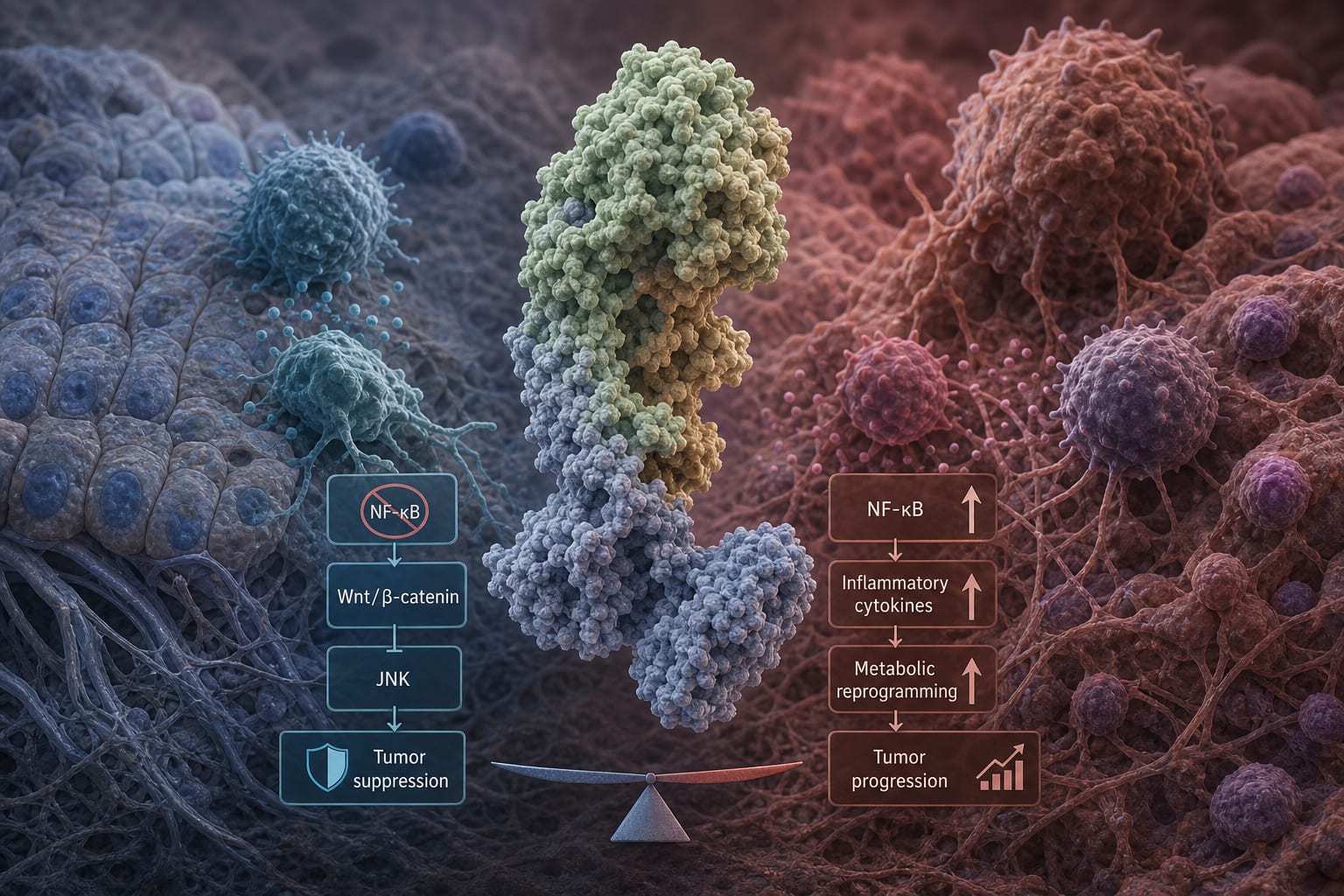
Polyphenol Reinforcement: Polyphenols suppress NF-κB and pro-inflammatory cytokines, modulate BDNF/CREB, and reduce chemotherapy- or radiotherapy-induced tissue damage.
Key Findings:
Combining exercise with polyphenol supplementation can prevent tissue injury and promote functional recovery.
Polyphenols enhance the effects of exercise on muscle, bone, and cardiac tissues.
Nutritional interventions, including polyphenols, are critical for musculoskeletal resilience and recovery.
Interpretation:
This review provides insights into the potential benefits of integrating exercise and polyphenols for recovery in cancer treatment.
Limitations:
The review does not provide specific clinical guidelines or recommendations.
Further research is needed to establish optimal dosages and combinations of polyphenols and exercise.
The review does not address the variability in individual responses to polyphenol supplementation and exercise.
Conclusion:
This review emphasizes the potential role of combining exercise and polyphenol supplementation in supporting musculoskeletal health during cancer treatment.