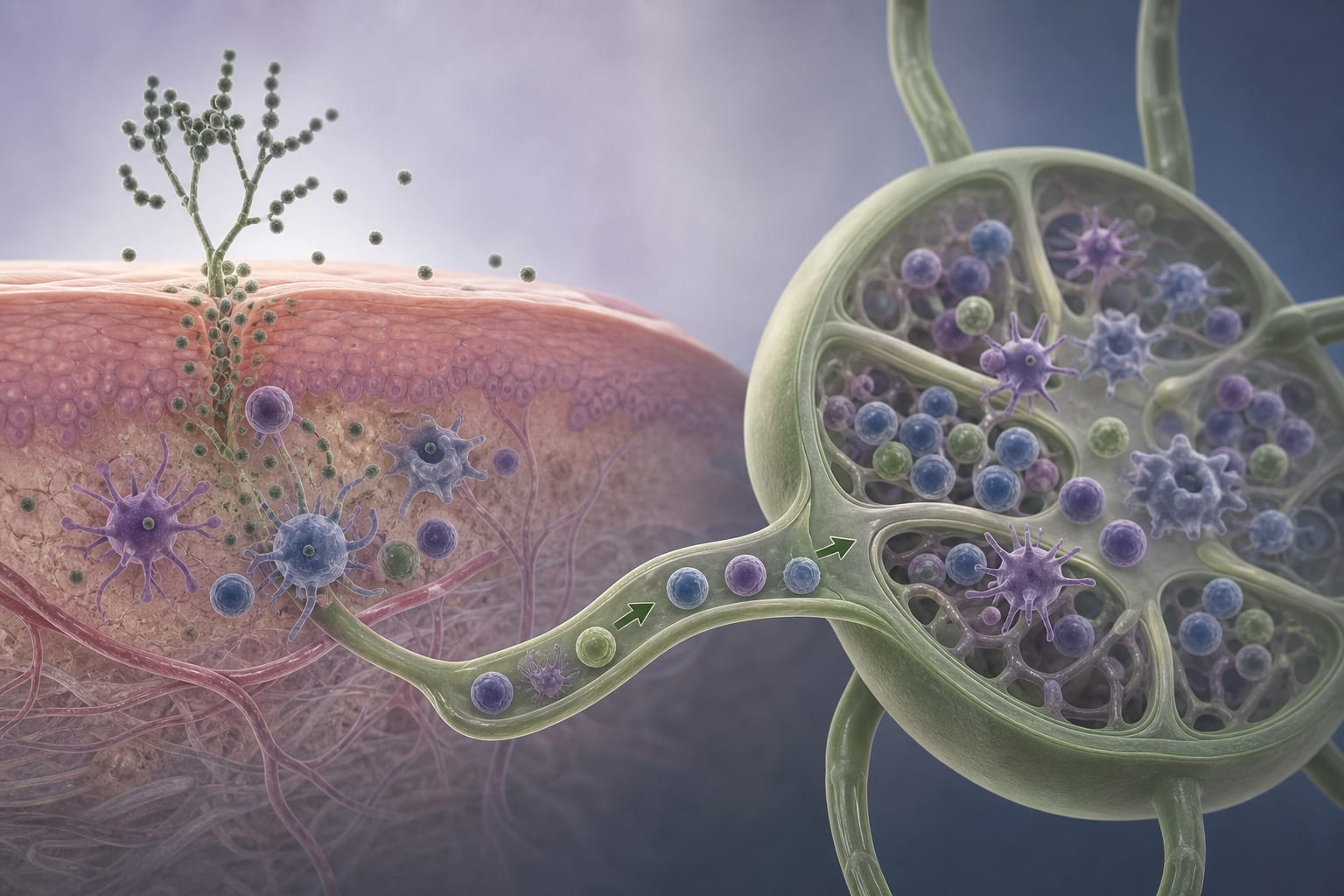
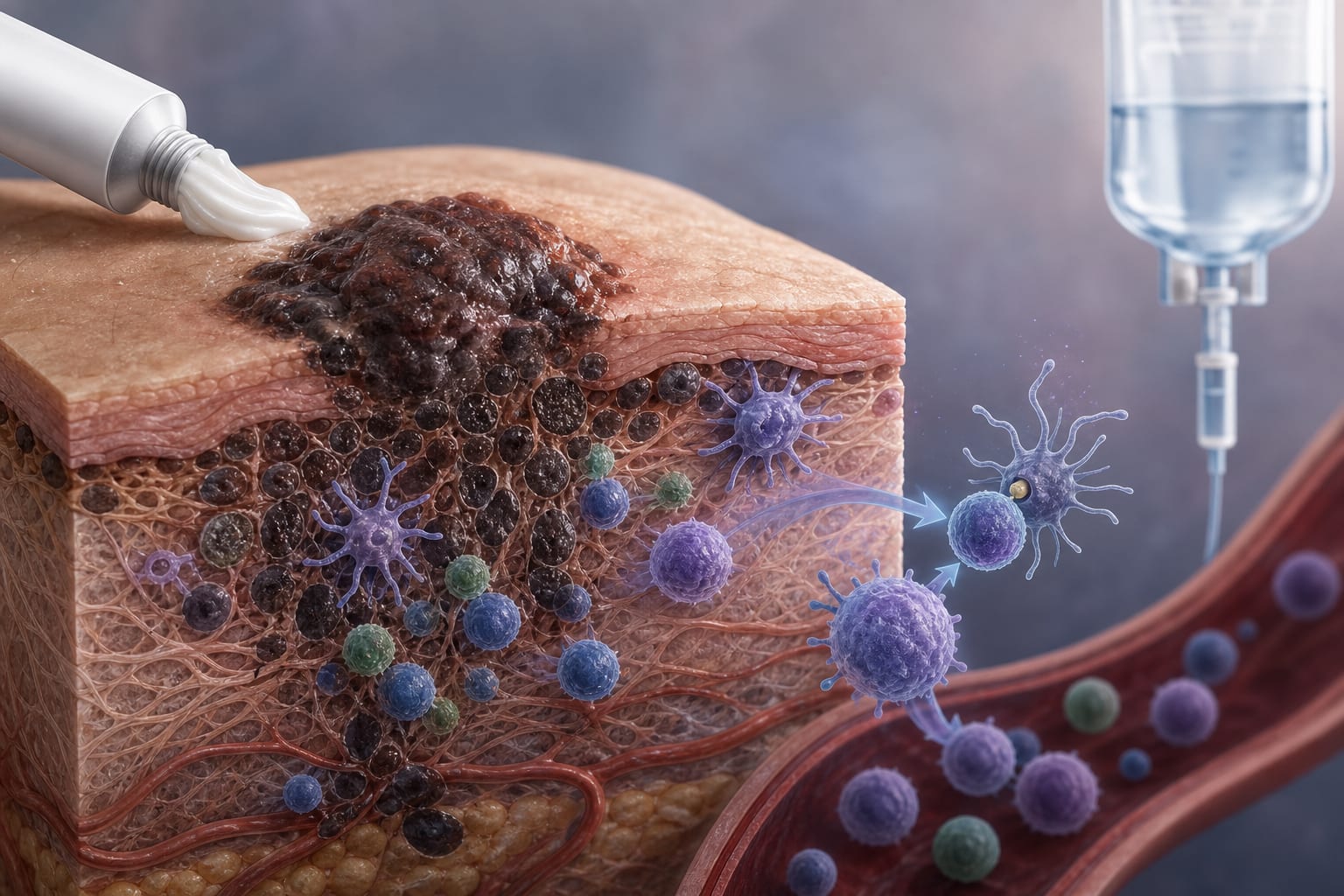
To elucidate the immunological impact of non-pathogenic fermentative fungi, specifically Aspergillus oryzae (Ao), on immune responses in skin-draining lymph nodes.
Key Findings:
Marked enlargement of skin-draining lymph nodes and increased immune cell numbers were observed shortly after Ao inoculation.
A significant increase in activated B cells and type 2 resident dendritic cells was noted.
Live Ao induced a more pronounced lymph node response compared to heat-inactivated Ao or cell wall components.
Ao inoculation resulted in increased IL-4 expression while suppressing or not altering other cytokines.
Long-term immune memory was established with antibody production specific to Ao proteins and β-glucan.
Pre-inoculation with Ao inhibited allergic responses.
Interpretation:
Limitations:
The study primarily focused on murine models, which may not fully replicate human immune responses.
The specific mechanisms underlying the immunomodulatory effects of Ao remain to be fully elucidated.