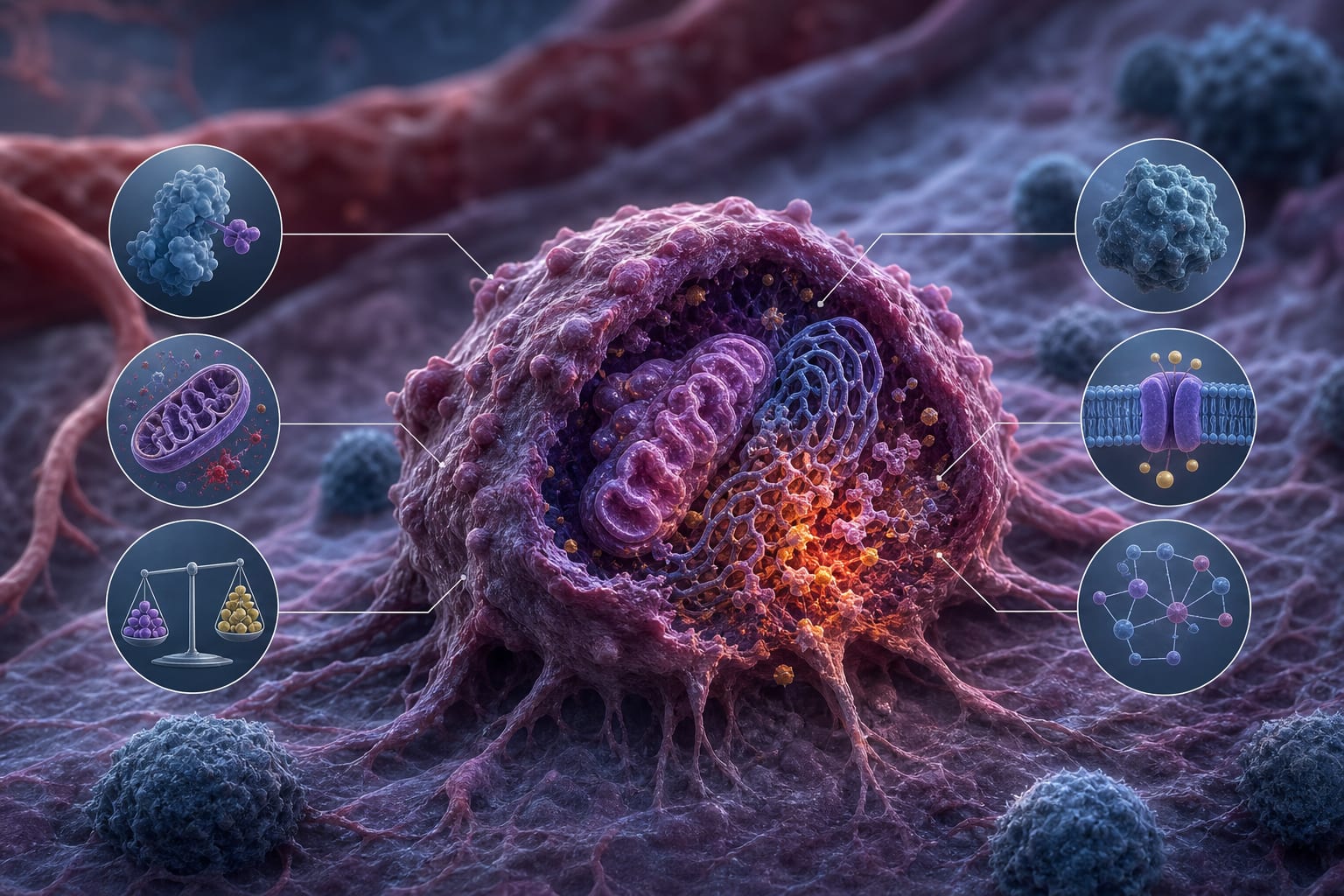
To highlight the role of specific nutritional strategies, such as early screening and immunonutrition, in cancer care and their impact on patient outcomes and survival.
Approach:
Key Findings:
Malnutrition and metabolic dysregulation are prevalent among oncology patients, significantly impacting prognosis and treatment outcomes.
Early nutritional screening and structured management are crucial for improving patient outcomes and reducing complications.
Prolonged medical nutritional support is associated with better outcomes in cancer patients, emphasizing the need for early intervention.
Nutritional and metabolic status may influence the efficacy and toxicity of immunotherapy, highlighting the importance of tailored nutritional strategies.
Innovative dietary approaches, such as ketogenic diets, are being explored for their potential benefits in cancer treatment.
Interpretation:
Nutritional strategies are essential in cancer care, influencing patient outcomes and survival rates; however, their implementation remains inconsistent due to various clinical and systemic barriers.
Limitations:
Awareness and implementation of nutritional recommendations in clinical practice are insufficient, often due to lack of training and resources.
Recent evidence challenges the benefits of specific immunonutrients, indicating the need for further research to clarify their role in clinical settings.
Conclusion:
Nutritional interventions should be considered a core component of oncologic care, with a focus on early and structured management to optimize patient outcomes and address the challenges of implementation.