An exploratory pre–post study of an intensive somatosensory activity-based intervention on participation-related goals, motor performance and somatosensory function in children with unilateral cerebral palsy - Summary - MDSpire
Conexiant’s news site is now MDSpire News. Learn more
Advertisement
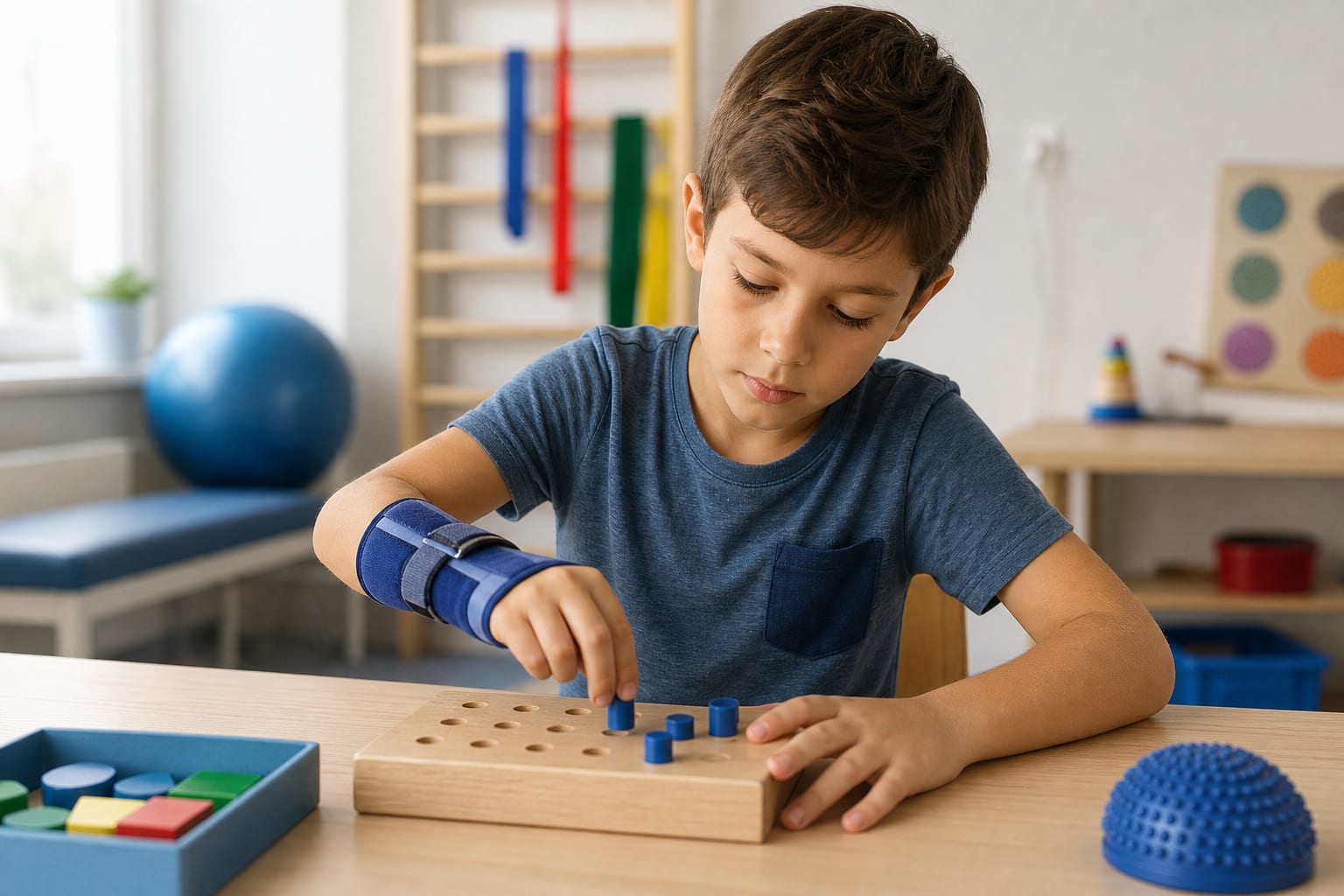
An Investigative Pre–Post Analysis of an Intensive Somatosensory Activity Intervention on Participation Goals, Motor Skills, and Somatosensory Function in Children with Unilateral Cerebral Palsy
To examine pre–post change following a novel intensive somatosensory activity-based intervention (ISABI) targeting the more-affected upper limb in children with unilateral cerebral palsy.
Approach:
Study Design: Exploratory single-arm pre–post study with 16 children aged 6–15 years completing 36 hours of intervention over three weeks.
Outcome Measures: Assessed using the Canadian Occupational Performance Measure (COPM), Box and Block Test, Jebsen–Taylor Hand Function Test, and a somatosensory assessment battery.
Key Findings:
COPM performance increased by 71.47% and family satisfaction increased by 62.51%.
Manual dexterity improved by 12% (Box and Block Test) and 12.38% (Jebsen–Taylor Hand Function Test).
Improvements in somatosensory outcomes included unilateral and bilateral spatial discrimination, graphaesthesia (33% increase), texture perception (33% increase), and functional sensibility (18.52% increase).
Occupational problems were primarily related to self-care (81.25%).
Interpretation:
Limitations:
Exploratory single-arm pre–post design with no control group.
No follow-up assessments conducted.
Findings require confirmation in adequately powered randomized trials with blinded assessment.