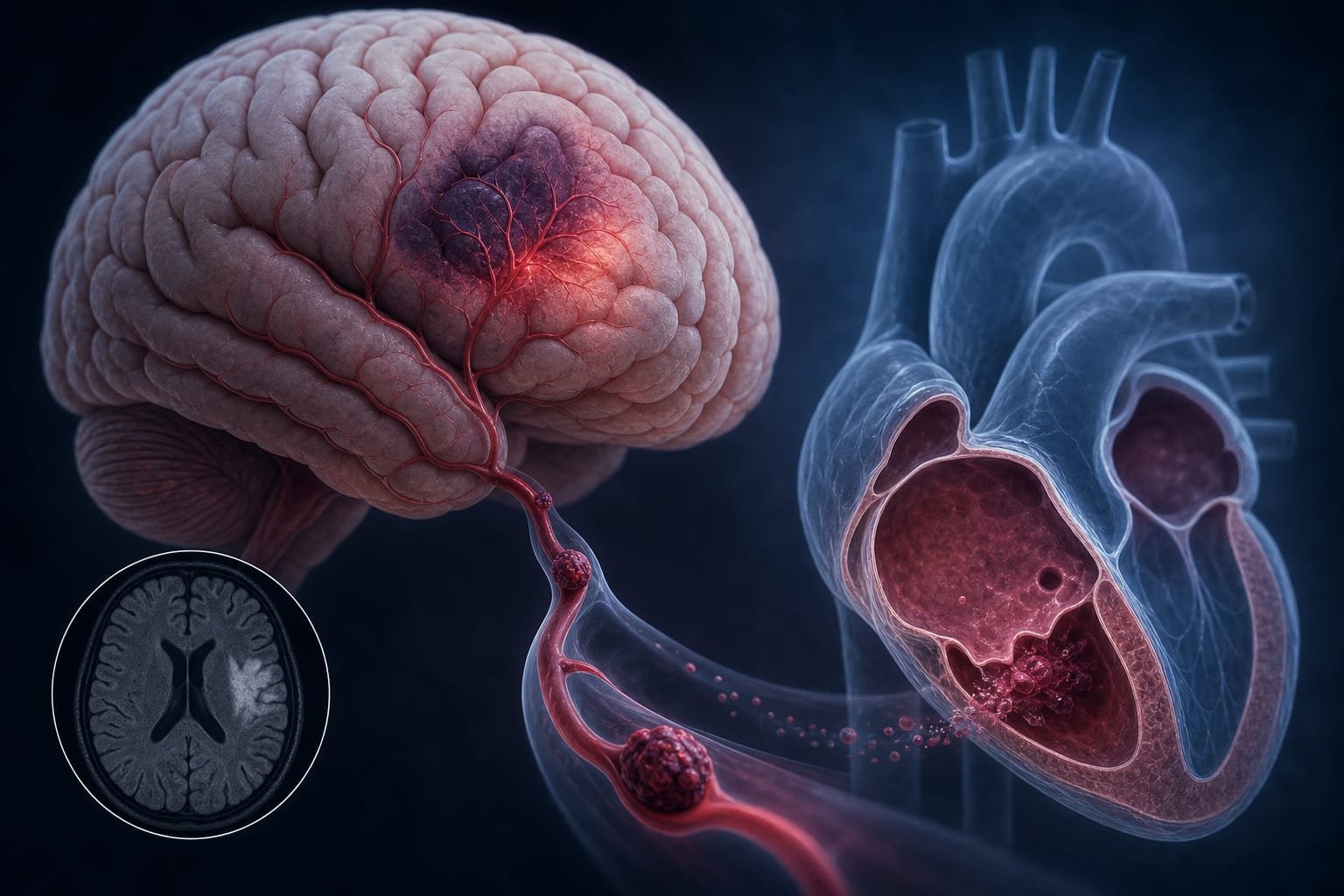
To explore various studies addressing hypertension and its implications on cardiovascular health, highlighting its significance in preventive cardiology.
Key Findings:
Higher cumulative systolic BP is linked to increased left ventricular mass and impaired myocardial strain, indicating the need for long-term monitoring.
Folate deficiency is associated with a higher risk of incident hypertension, suggesting dietary interventions could be beneficial.
Flavan-3-ol-rich foods can lead to modest reductions in blood pressure and improved endothelial function, supporting dietary recommendations.
A central systolic BP threshold of 135 mmHg is predictive of cardiovascular risk, highlighting the importance of accurate BP measurement.
964 associations with incident hypertension were identified, including both traditional and emerging risk factors, emphasizing the complexity of hypertension.
Intensive BP control significantly reduces cardiovascular events and mortality, even in patients with worsening renal function, advocating for aggressive treatment strategies.
High-normal serum sodium and tonicity levels are associated with increased risks of hypertension and heart failure, warranting further investigation.
Interpretation:
The studies highlight the multifaceted nature of hypertension and its prevention, emphasizing the importance of cumulative exposure, dietary factors, and intensive management strategies, with practical applications for clinicians.
Limitations:
Heterogeneity in effect sizes across studies on flavan-3-ols may limit generalizability.
Practical application of central BP measurement in clinical settings remains uncertain, necessitating further research.
Conclusion:
Addressing hypertension through various strategies, including dietary interventions and intensive management, is crucial for improving cardiovascular health, underscoring the need for ongoing research in this area.
Patients are mining Reddit and TikTok for symptom intel while you're not — and a small study calls it epistemic injustice. Different knowledge, mutually unrecognized. Maybe ask where they've been reading before you wave it off as anecdote.