To characterize immune, inflammatory, and nutritional biomarker patterns across skin–lung–gut burden groups in systemic sclerosis (SSc).
Approach:
Study Design: Retrospective cross-sectional study of 314 patients with SSc fulfilling the 2013 ACR/EULAR classification criteria.
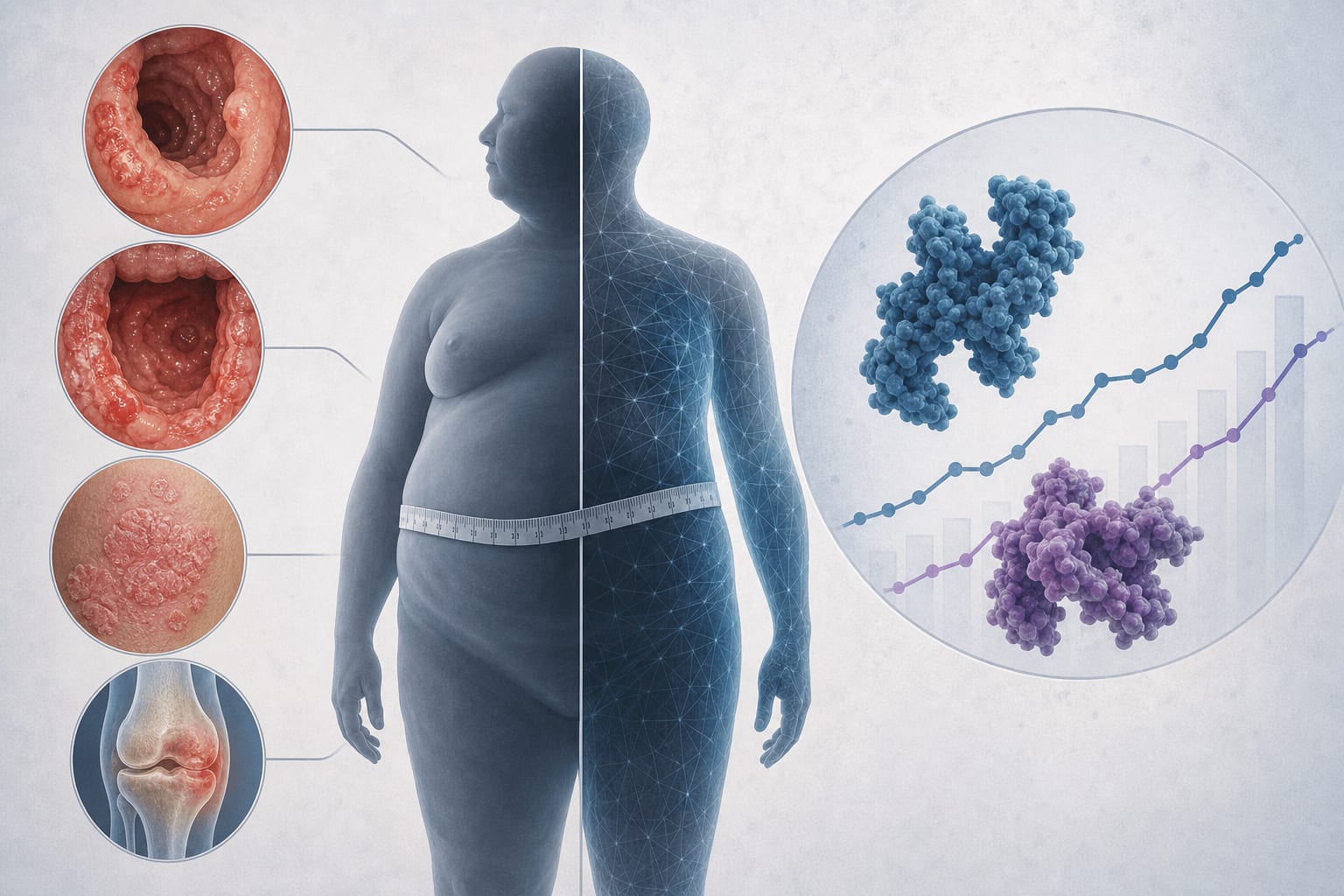
Classification: Patients classified into four groups based on organ involvement: 0-Axis, 1-Axis, 2-Axis, and 3-Axis.
Statistical Analysis: Multinomial logistic regression and unsupervised clustering were used to analyze biomarker distributions and associations.
Key Findings:
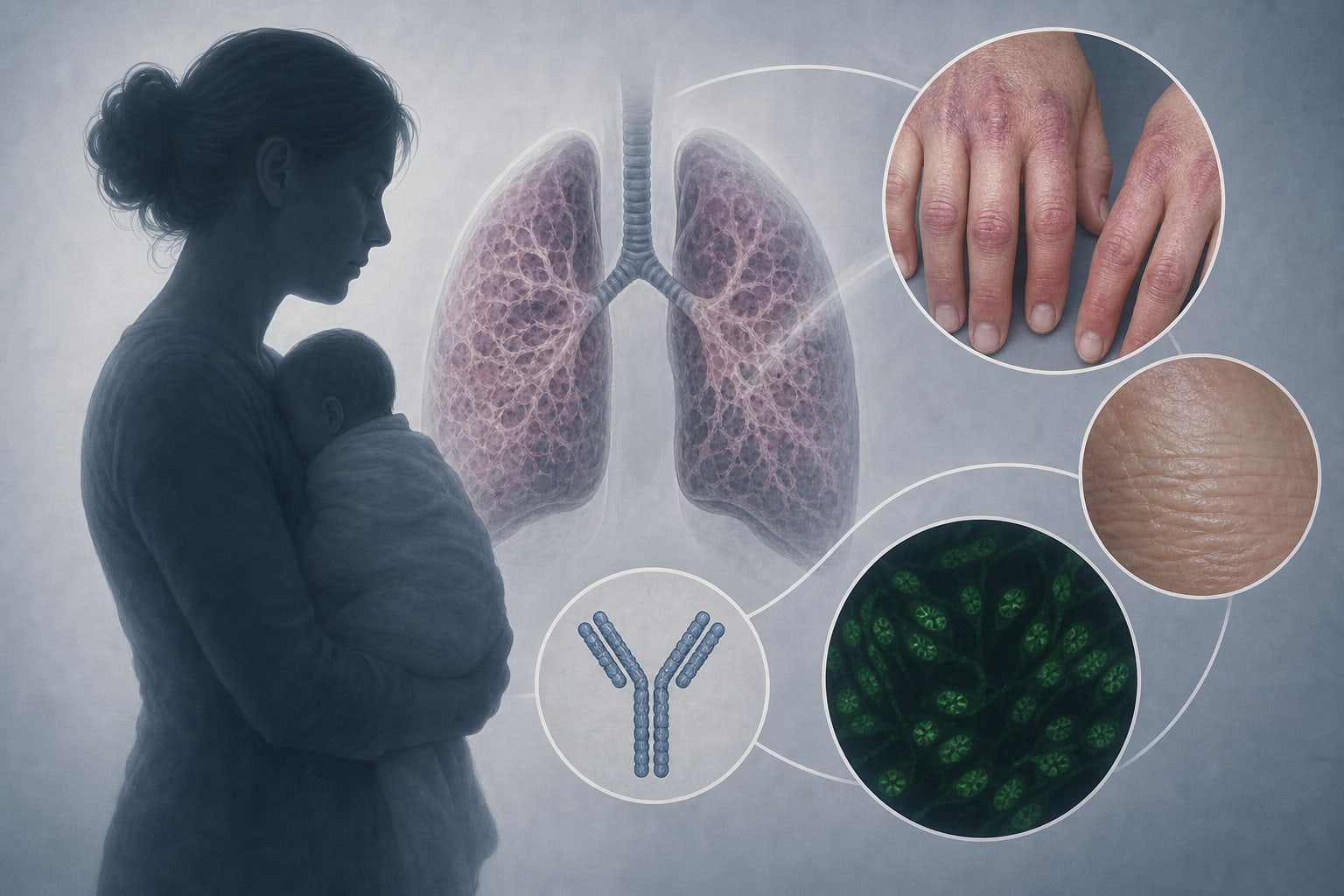
Anti-Scl-70 positivity increased across burden groups: 51.4% (0-Axis), 71.9% (1-Axis), 83.1% (2-Axis), and 91.3% (3-Axis), p<0.001.
hs-CRP levels were higher in the 2-Axis group compared to the 1-Axis group (9.60 mg/L vs 4.50 mg/L, p=0.012).
Albumin levels decreased with increasing burden, lower in the 3-Axis group than in the 0-Axis group (31.70 g/L vs 34.30 g/L, p=0.005).
Adjusted models showed Anti-Scl-70 positivity and lower albumin were consistently associated with higher burden groups.
Interpretation:
Increasing skin–lung–gut co-involvement burden in SSc correlates with structured circulating biomarker patterns, particularly Anti-Scl-70 positivity and albumin levels.
Limitations:
Study design is retrospective and cross-sectional, limiting causal inferences.
Findings may not be generalizable beyond the studied population.
Conclusion:
The study highlights the association between biomarker patterns and multisystem involvement in SSc, emphasizing the need for cautious interpretation.