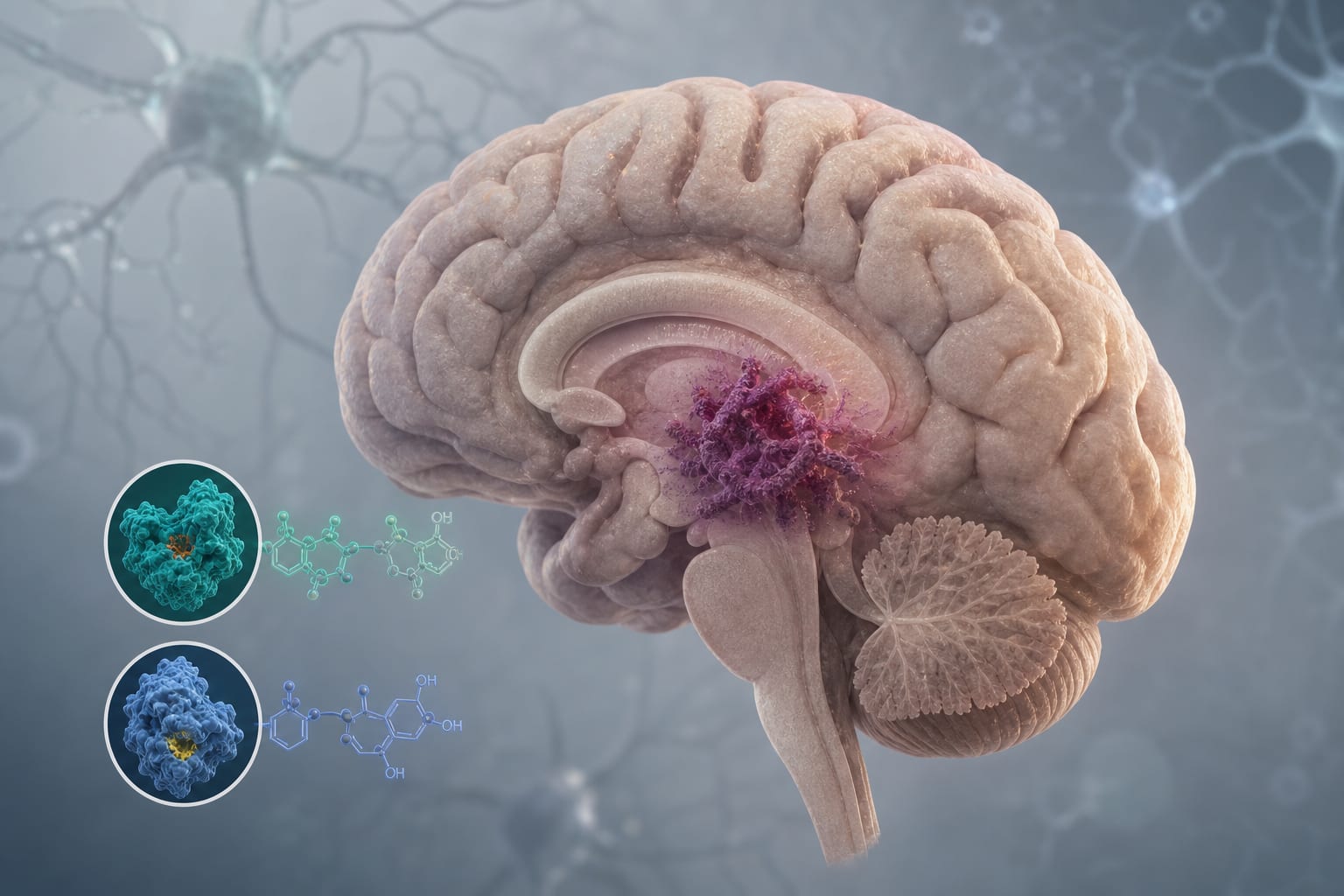
To highlight recent advances in AI-assisted research for the diagnosis and management of movement disorders, emphasizing its potential to improve patient outcomes.
Key Findings:
AI methods enhance the accuracy and convenience of diagnosing movement disorders.
Multimodal frameworks improve model performance in diagnosing PD.
AI can quantify treatment effects that traditional scales may miss.
Video-based assessments can extend the analysis of non-motor symptoms.
AI innovations may lead to personalized treatment strategies.
Interpretation:
AI serves as an auxiliary tool in the diagnosis and management of movement disorders, complementing the expertise of physicians.
Limitations:
Challenges include inconsistent data, privacy concerns, poor model generalization, lack of real-world validation, and the need for regulatory frameworks.
Conclusion:
AI innovations provide significant advancements in the diagnosis and management of movement disorders, though further improvements and regulatory considerations are needed.