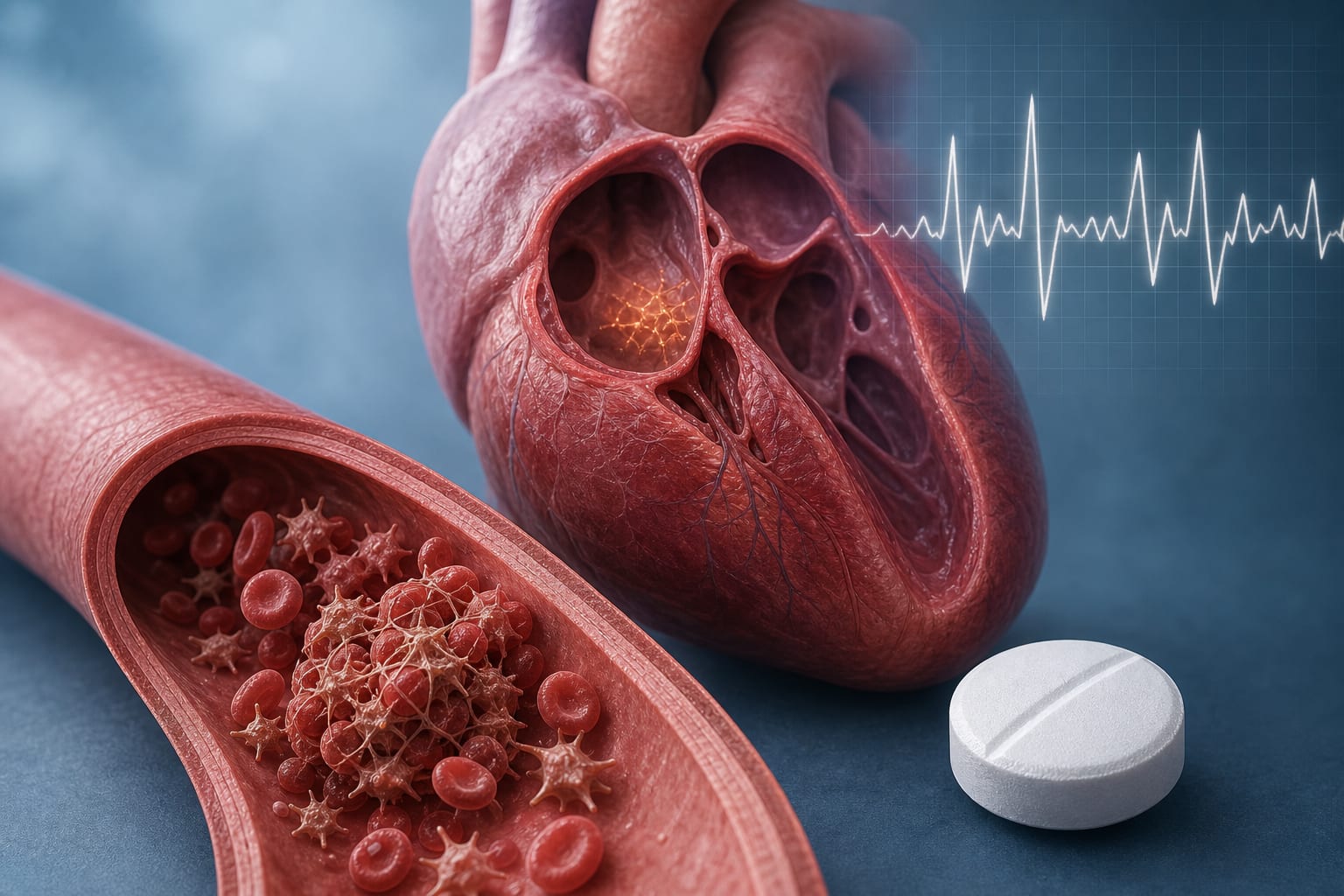
Formation of biofilms on venovenous ECMO cannulas may facilitate pathogen reintroduction during decannulation: Insights from a small-scale study integrating culture and molecular data. - Summary - MDSpire
Advertisement
Formation of biofilms on venovenous ECMO cannulas may facilitate pathogen reintroduction during decannulation: Insights from a small-scale study integrating culture and molecular data.
To evaluate bacterial colonization of ECMO cannulas and its effect on specific patient outcomes, such as infection rates and survival, after decannulation, identifying sources of bacteria and assessing cannula removal as a risk factor for secondary infections.
Key Findings:
Biofilms on ECMO cannulas may serve as reservoirs for pathogens, raising concerns about infection control.
Contradictory findings exist regarding the correlation between biofilms and patient outcomes, highlighting the need for further investigation.
Molecular methods like 16S rDNA sequencing provide rapid and sensitive identification of microbial communities, potentially improving diagnostic practices.
Interpretation:
The presence of biofilms on ECMO cannulas could facilitate pathogen reintroduction during decannulation, potentially impacting patient outcomes, such as increased infection rates.
Limitations:
Small sample size of 10 patients limits generalizability and may not capture the full spectrum of clinical scenarios.
Single-center study may not reflect broader clinical settings, necessitating multi-center studies for validation.
Conclusion:
Further research is needed to clarify the clinical significance of biofilms on ECMO cannulas and their role in secondary infections post-decannulation, particularly through larger, multi-center studies.