Epidemiology of retinopathy of prematurity (ROP) in Northwest China: a decade-long retrospective single-center analysis (2015–2024) - Summary - MDSpire
Advertisement
Trends in the Epidemiology of Retinopathy of Prematurity in Northwest China: A Ten-Year Retrospective Study from a Single Center (2015–2024)
To analyze the epidemiology of retinopathy of prematurity (ROP) at a single center over the past decade.
Approach:
Study Design: Retrospective database cohort study using data from Northwest Women's and Children's Hospital between 2015 and 2024.
Data Stratification: Data categorized into 10 groups by screening year and three subgroups based on gestational age (GA).
Statistical Analysis: Statistical analysis performed using SPSS software (version 23.0).
Key Findings:
Total of 12,640 infants underwent 31,605 screenings (mean 2.44 per infant).
Overall ROP incidence rate was 14.18%, with a treatment-requiring rate of 1.59%.
ROP burden decreased with advancing gestational age: 72.37% incidence for GA <28 weeks, 23.04% for GA 28–<32 weeks, and 6.17% for GA ≥32 weeks.
Annual screening volume and ROP incidence showed fluctuating trends over the decade.
Interpretation:
Current screening practices appear insufficient, indicating a need for a risk-based strategy for ROP screening.
Limitations:
Lack of standardized diagnostic criteria and subjectivity in assessments.
Parental misunderstanding and refusal of procedures leading to loss to follow-up.
Conclusion:
A risk-based strategy is needed for ROP screening, particularly for infants with GA <28 weeks, while those with GA ≥32 weeks may have reduced screening frequency.
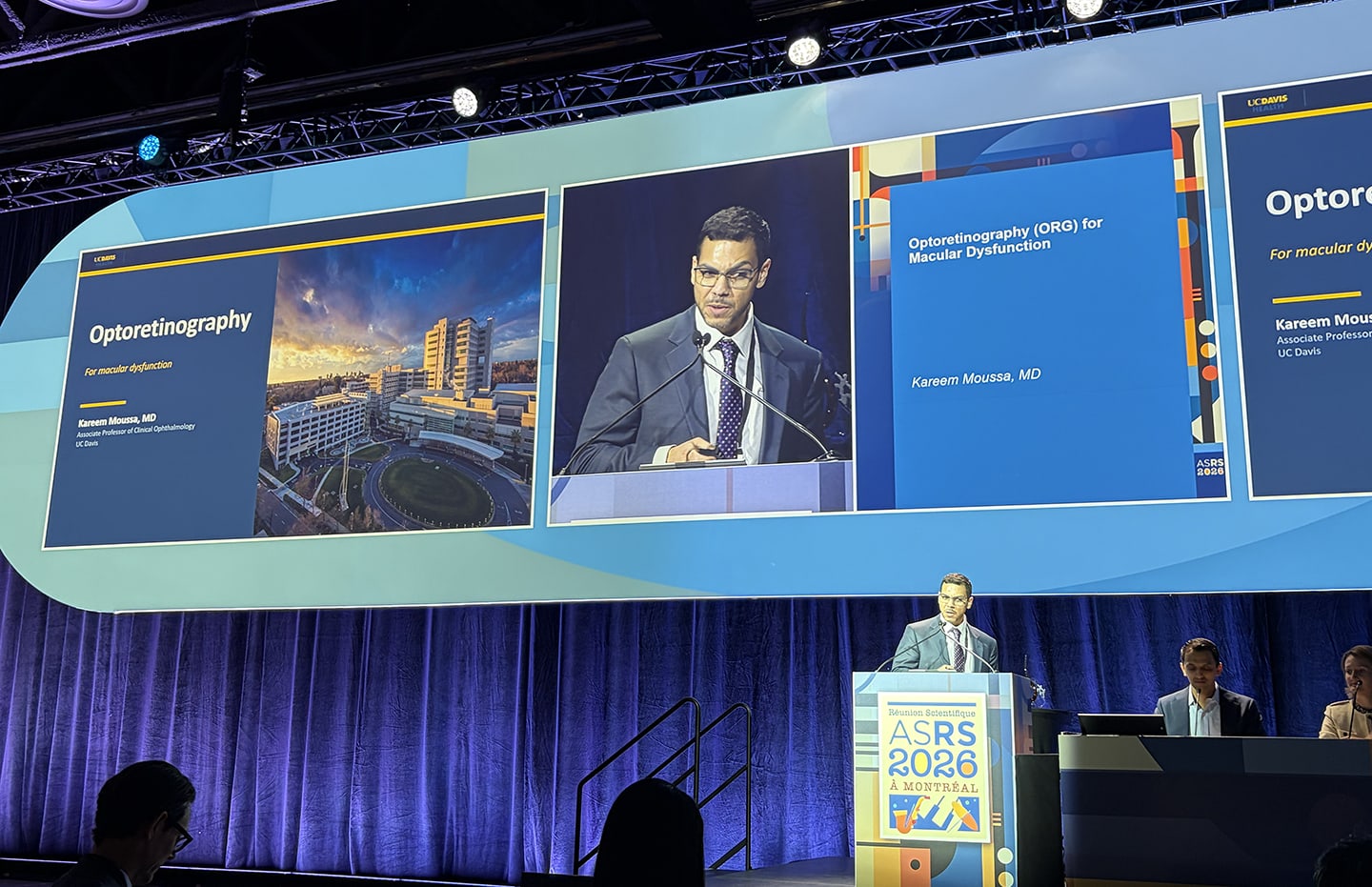
At ASRS 2026, Kareem Moussa, MD, presented early data suggesting optoretinography may identify photoreceptor dysfunction in diabetic eyes before conventional imaging reveals abnormalities.