To establish an international benchmark for surgical excellence in pelvic and acetabular trauma management through a structured educational program.
Key Findings:
Current education on pelvic and acetabular trauma is insufficient, lacking comprehensive coverage of complications and interdisciplinary care.
Demographic changes have increased the incidence of pelvic and acetabular fractures, particularly in elderly patients.
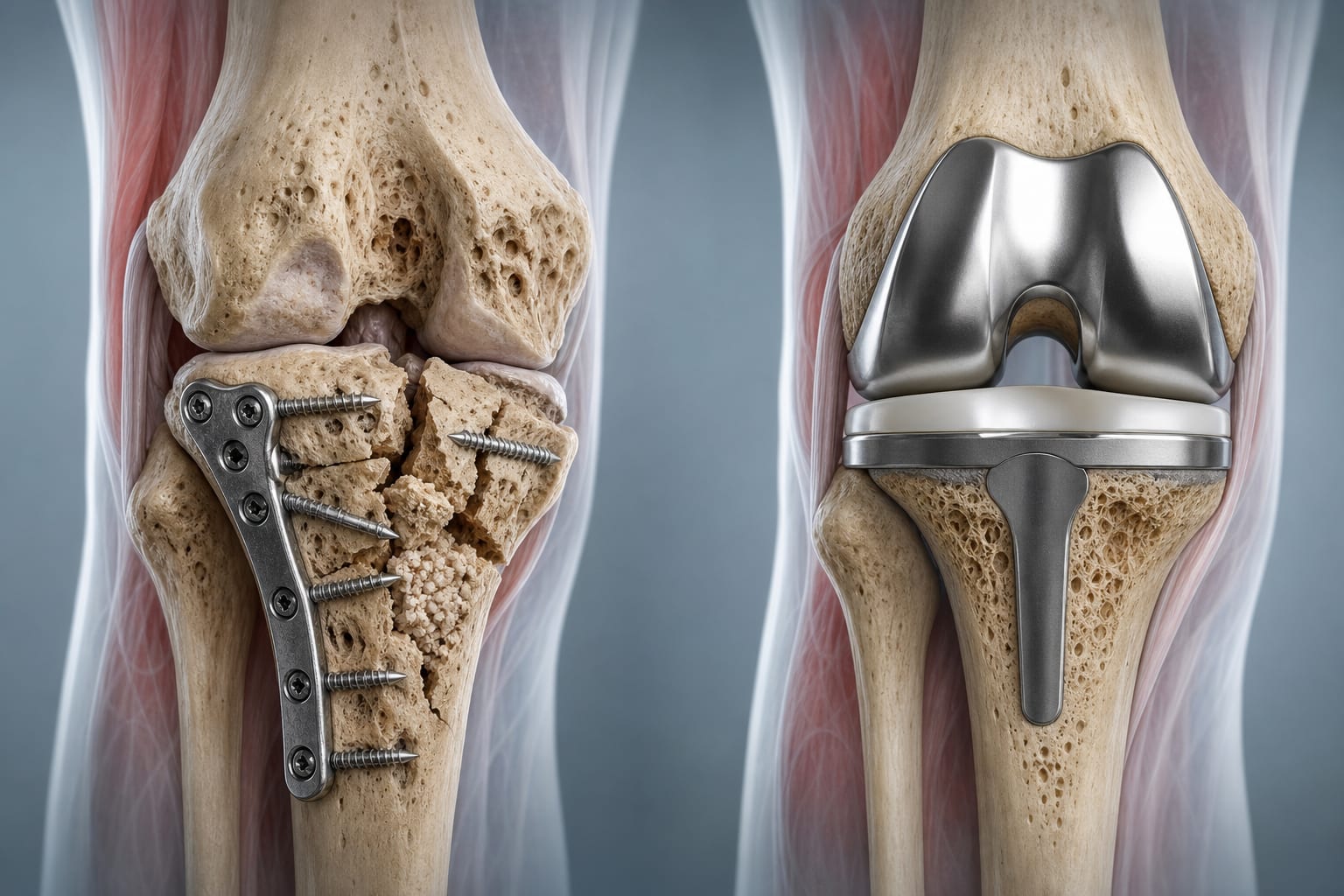
Emerging concepts like trauma hip arthroplasty highlight the need for collaboration between trauma surgeons and arthroplasty specialists.
Interpretation:
The proposed educational program aims to fill critical gaps in current training by emphasizing competency-based education, collaborative learning, and a holistic approach to patient care.
Limitations:
Existing courses primarily focus on acute surgical management, neglecting important topics like complication management and interdisciplinary aspects.
The effectiveness of the new program will depend on widespread adoption and participation among surgeons.
Conclusion:
The Pelvic and Acetabular Surgery Educational Program is a necessary advancement to elevate the quality of care in pelvic and acetabular trauma surgery.