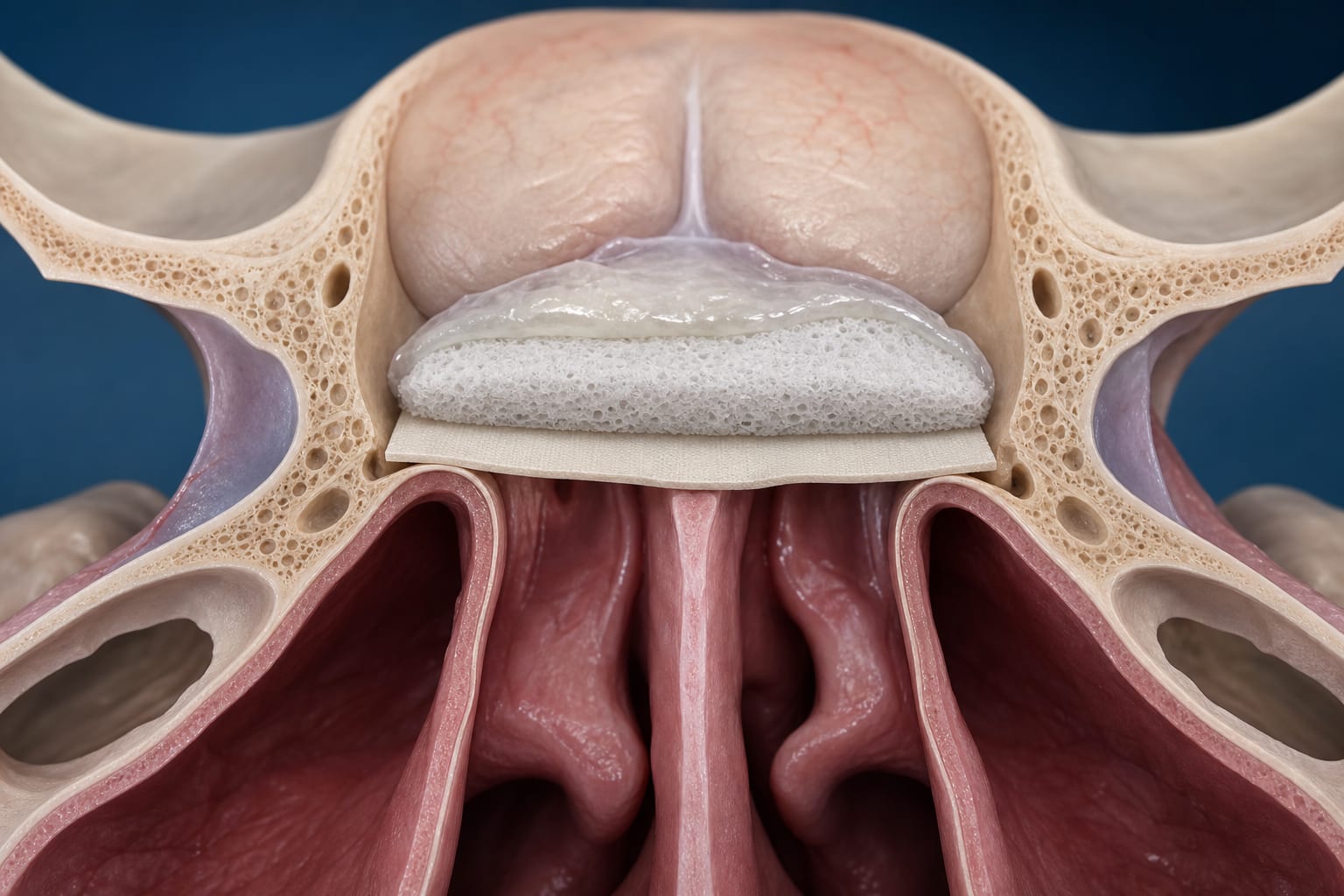
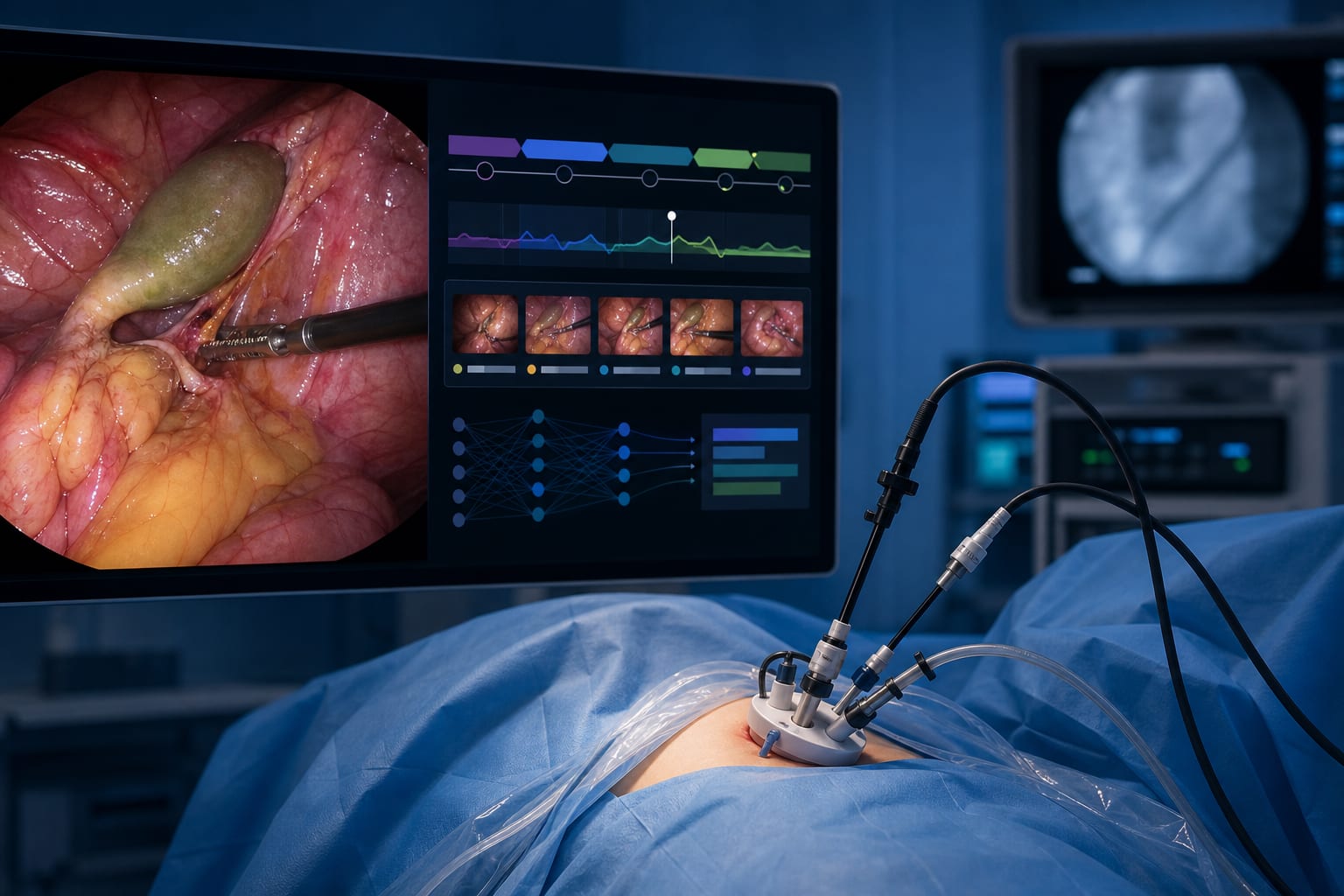
To compare the perioperative outcomes of robotic pancreaticoduodenectomy (RPD) versus open pancreaticoduodenectomy (OPD) in elderly patients.
Approach:
Systematic Review and Meta-Analysis: Conducted in accordance with PRISMA guidelines, searching multiple databases for studies comparing RPD and OPD in elderly patients.
Key Findings:
RPD group had lower overall morbidity (OR, 0.45; 95% CI, 0.22–0.92).
Fewer major complications in RPD group (OR, 0.68; 95% CI, 0.49–0.94).
Less intraoperative blood loss in RPD group (MD, -119.25 mL; 95% CI, -141.36 to -97.14).
Lower blood transfusion rates in RPD group (OR, 0.50; 95% CI, 0.34–0.72).
Shorter hospital stay for RPD group (MD, -1.63 days; 95% CI, -2.88 to -0.38).
No significant differences in mortality, operative time, postoperative pancreatic fistula, delayed gastric emptying, or reoperation rates.
Interpretation:
Limitations:
The study included only 6 studies with a total of 2,965 patients.
Further high-quality randomized controlled trials are needed to validate findings.
From Medicare payment updates to drug approvals and device access, these federal actions may affect reimbursement, prescribing, patient access, and clinical workflows.