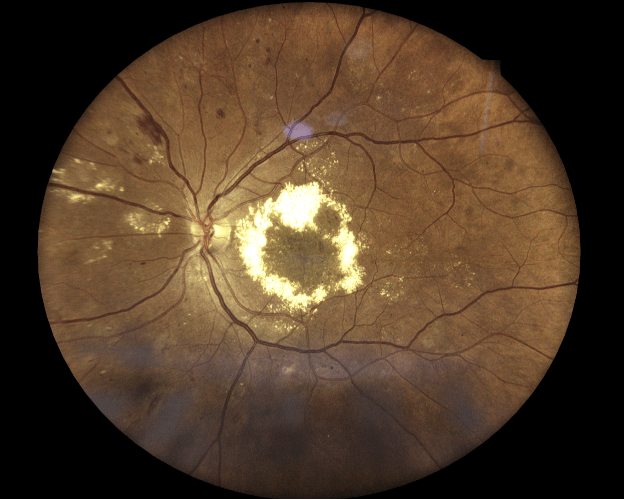
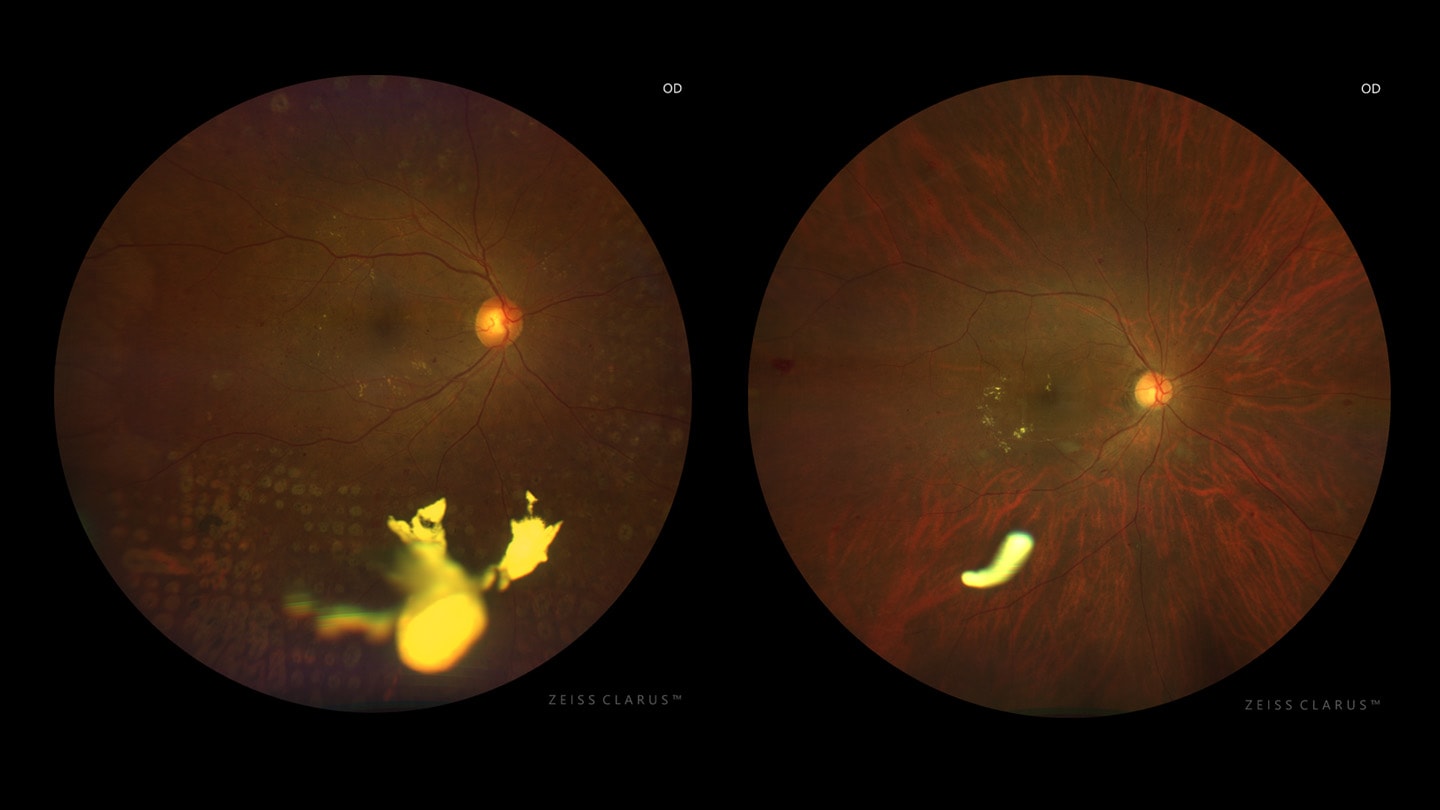
To assess the utility of widefield OCT and OCT-A in identifying occult retinal neovascularization in patients with complex retinopathy, highlighting its clinical significance.
Key Findings:
OCT and OCT-A confirmed the presence of proliferative diabetic and sickle cell retinopathy, with implications for treatment.
Anomalous retinal vasculature was identified in specific quadrants of the right eye, indicating potential areas of concern.
Macular edema was associated with the identified neovascularization, emphasizing the need for careful monitoring.
Interpretation:
The findings suggest that advanced imaging technologies like OCT and OCT-A significantly enhance diagnostic accuracy for complex retinal conditions, ultimately improving patient outcomes.
Limitations:
The study is based on a single patient case, limiting generalizability and introducing potential biases.
Further research is needed to evaluate the effectiveness of OCT-A across diverse patient populations.
Conclusion:
Utilizing OCT and OCT-A improves clinical decision-making in diagnosing multifactorial retinopathy, underscoring their importance in modern ophthalmology.