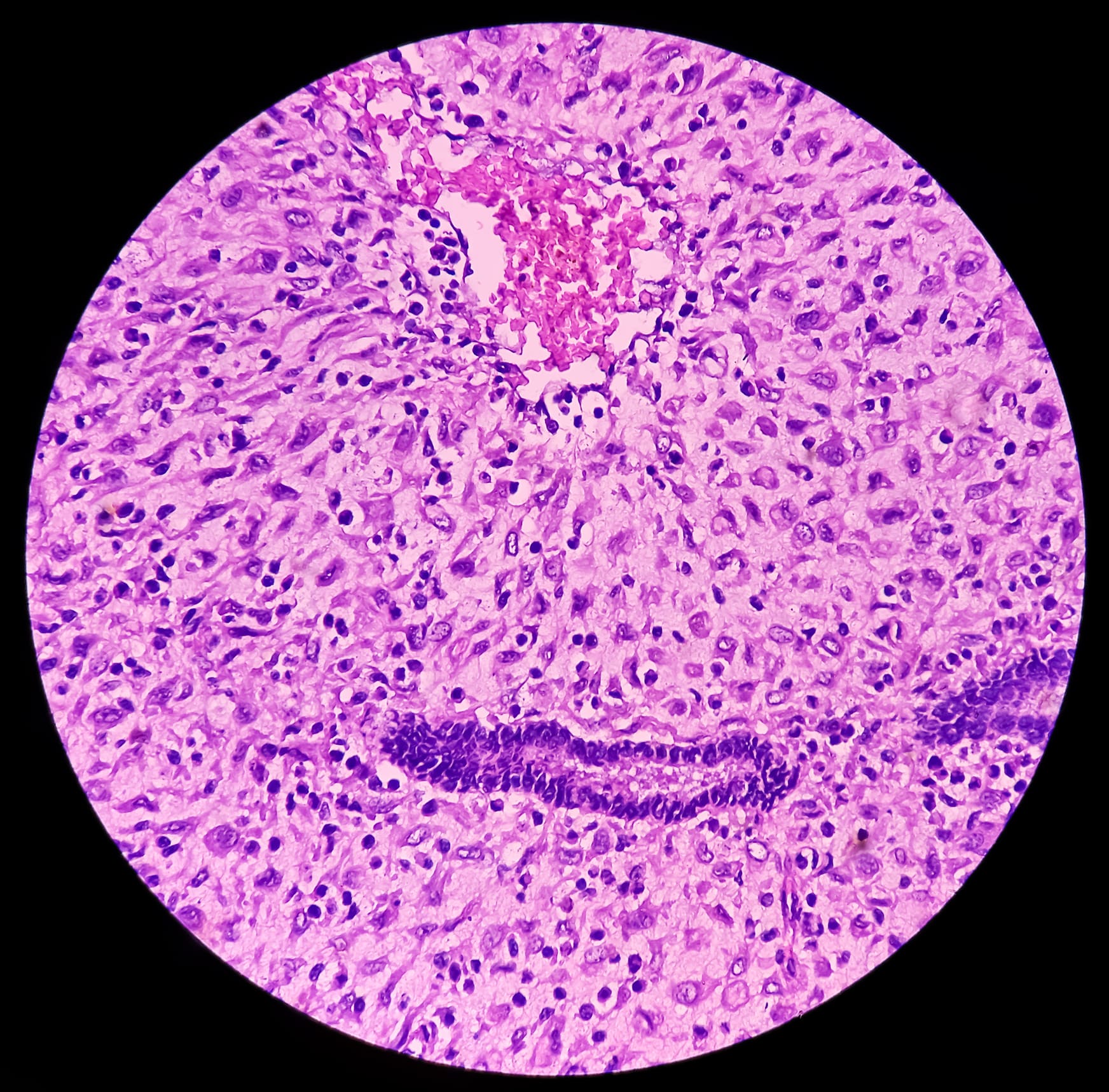
To evaluate the relationship between DNA quality and skeletal source in forensic genome sequencing of unidentified human remains, highlighting its significance in improving forensic identification methods.
Key Findings:
399 out of 500 samples met the DNA threshold for sequencing, indicating a high initial success rate.
SNP call rates ranged from 8% to 91%, with 95.7% achieving rates above 50%, suggesting that most samples yielded usable data.
The ratio of total DNA to short-target human DNA was the strongest predictor of profile completeness, emphasizing the importance of DNA quality.
Petrous bone samples had the lowest failure-to-progress rate at 6.5%, highlighting the advantages of certain skeletal sources.
Standard quantitative DNA metrics can guide workflow but cannot reliably predict high-completeness profiles, indicating the need for additional assessment methods.
Interpretation:
While DNA quality metrics correlate with SNP call rates, they are insufficient alone to predict sequencing success for individual samples; environmental factors and DNA damage may significantly influence outcomes.
Limitations:
Samples likely represented challenging forensic cases, potentially underestimating sequencing success rates due to prior failures in traditional workflows.
Variability in preservation status and environmental exposure among bone samples limits comparisons and may skew results.
The sequencing threshold may exclude samples with shorter DNA fragments that could still be sequenced, suggesting a need for reevaluation of current thresholds.
Conclusion:
The study underscores the importance of DNA quality over skeletal source in forensic sequencing, while highlighting the limitations of current predictive metrics and their implications for forensic workflows.
A small observational study in collegiate football players found microbiome associations after nonconcussive head impacts, though findings were limited by severe underpowering and high attrition
A two-marker methylated DNA assay identified endometrial cancer with 96% sensitivity in self-collected vaginal fluid — but prospective validation is needed before it can reduce biopsies in routine care.