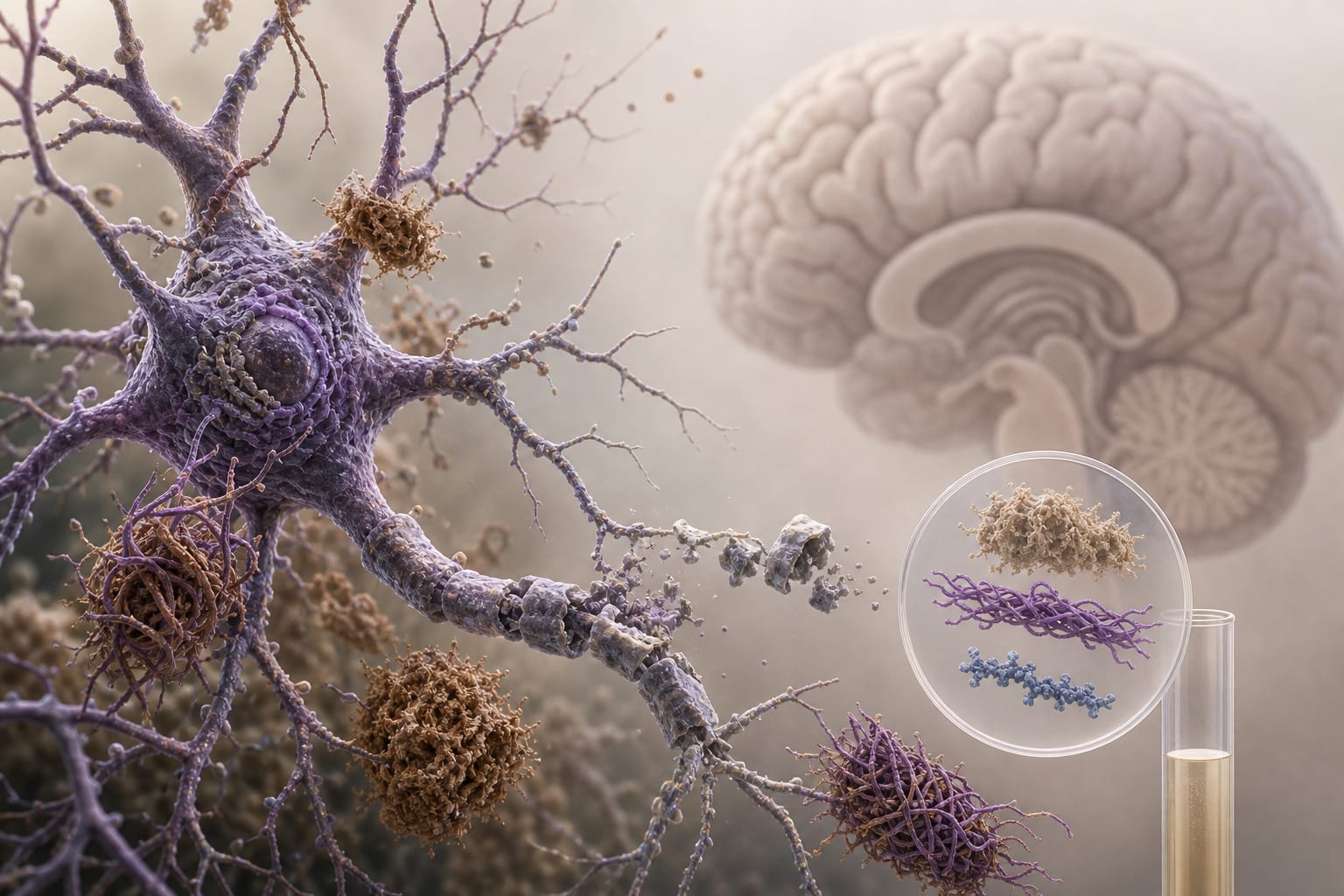
To explore the integration of regenerative medicine and neurorehabilitative strategies for enhancing neurological recovery.
Key Findings:
eNSCs show limited differentiation post-injury, necessitating a better understanding of their regulatory mechanisms.
ncRNAs can modulate inflammation and oxidative stress, presenting new therapeutic targets.
OPCs can be activated through rehabilitation to enhance myelin repair.
VNS combined with rehabilitation may improve motor outcomes in chronic cervical SCI.
Metabolic interventions show promise in neurodegenerative conditions like Alzheimer's disease.
Interpretation:
The integration of biological repair mechanisms with rehabilitation strategies is essential for meaningful neurological recovery.
Limitations:
The complexity of the CNS microenvironment poses challenges for effective regeneration.
Current studies may not fully capture the systemic nature of neurological disorders.
Conclusion:
A multifactorial approach combining molecular biology, cellular regeneration, and activity-based rehabilitation is vital for advancing neurological recovery.