To provide a historical overview of the development and impact of reperfusion therapy in the management of acute myocardial infarction (AMI).
Approach:
Introduction: Discusses the historical context of AMI treatment and the evolution of reperfusion therapy, highlighting its impact on in-hospital mortality rates.
Early clinical use of intravenous thrombolysis: Describes the initial use of intravenous streptokinase for thrombolysis in AMI and the delayed adoption despite positive outcomes.
Experimental recognition of reperfusion to reduce infarct size: Details early experimental studies demonstrating the benefits of reperfusion in reducing infarct size in animal models.
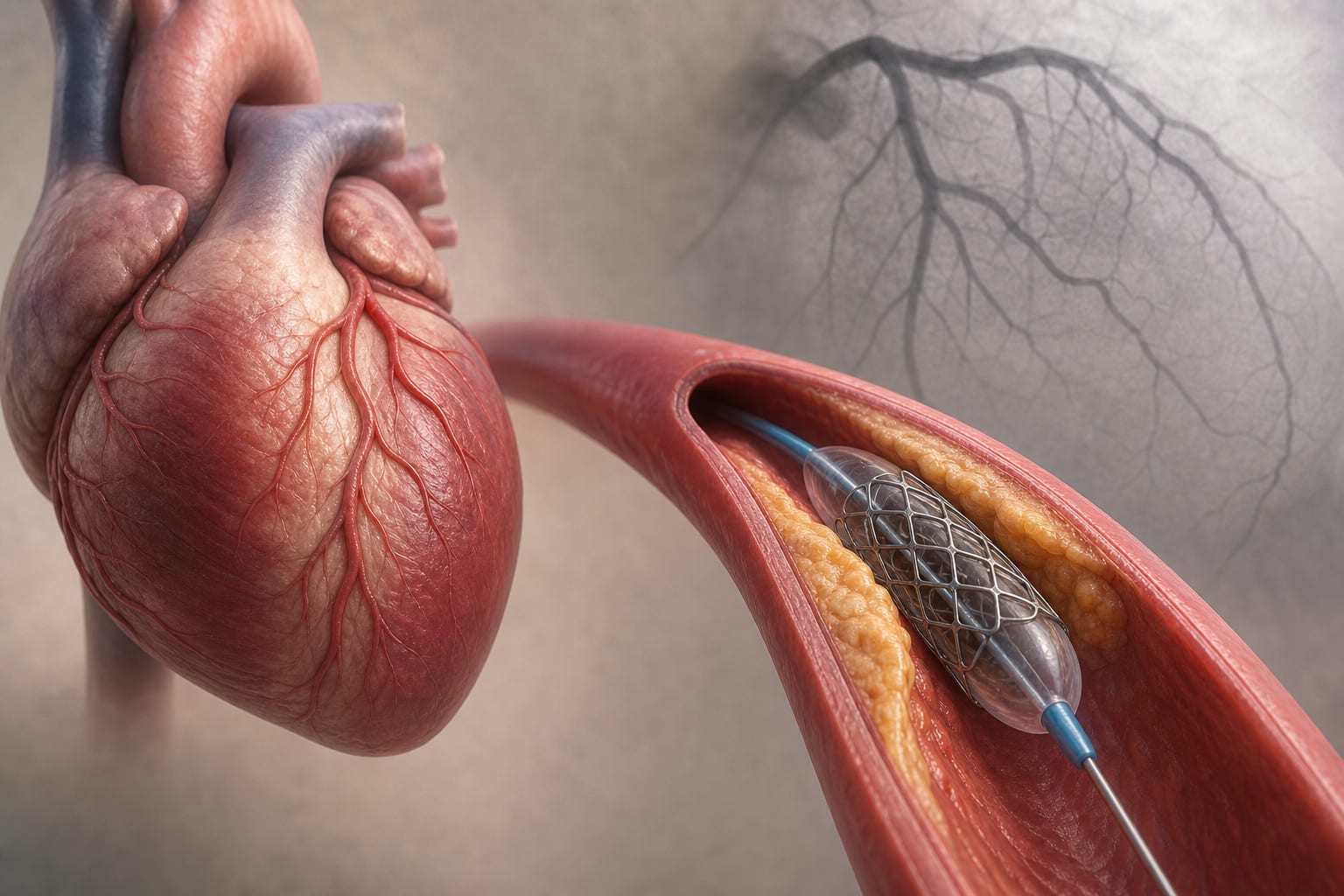
Intracoronary thrombolysis and mechanical coronary recanalization: Covers the development of intracoronary thrombolysis and mechanical recanalization techniques in AMI treatment.
Firm evidence for timely reperfusion from clinical trials: Summarizes key clinical trials that established the efficacy of various reperfusion strategies, including thrombolysis and primary angioplasty.
Key Findings:
Reperfusion therapy has reduced in-hospital mortality from about 20% to 5% or less in STEMI patients.
Early studies on thrombolysis showed improved outcomes but were not widely adopted for decades.
Experimental studies established the importance of timely reperfusion in reducing infarct size.
Clinical trials confirmed the superiority of mechanical recanalization over thrombolysis in terms of mortality and myocardial salvage.
Interpretation:
The historical development of reperfusion therapy illustrates the importance of timely intervention in AMI management and the evolution of treatment strategies based on clinical evidence.
Limitations:
The article does not address the long-term outcomes of reperfusion therapy beyond initial mortality rates.
It lacks a comprehensive analysis of the socio-economic factors influencing the adoption of reperfusion strategies.
Conclusion:
Reperfusion therapy has significantly advanced the treatment of AMI, with ongoing developments in pharmacological and mechanical approaches.