To explore the mechanisms by which adenovirus vectors function as cancer immunotherapies and to highlight key clinical trials evaluating adenovirus-based therapies in different cancer types.
Approach:
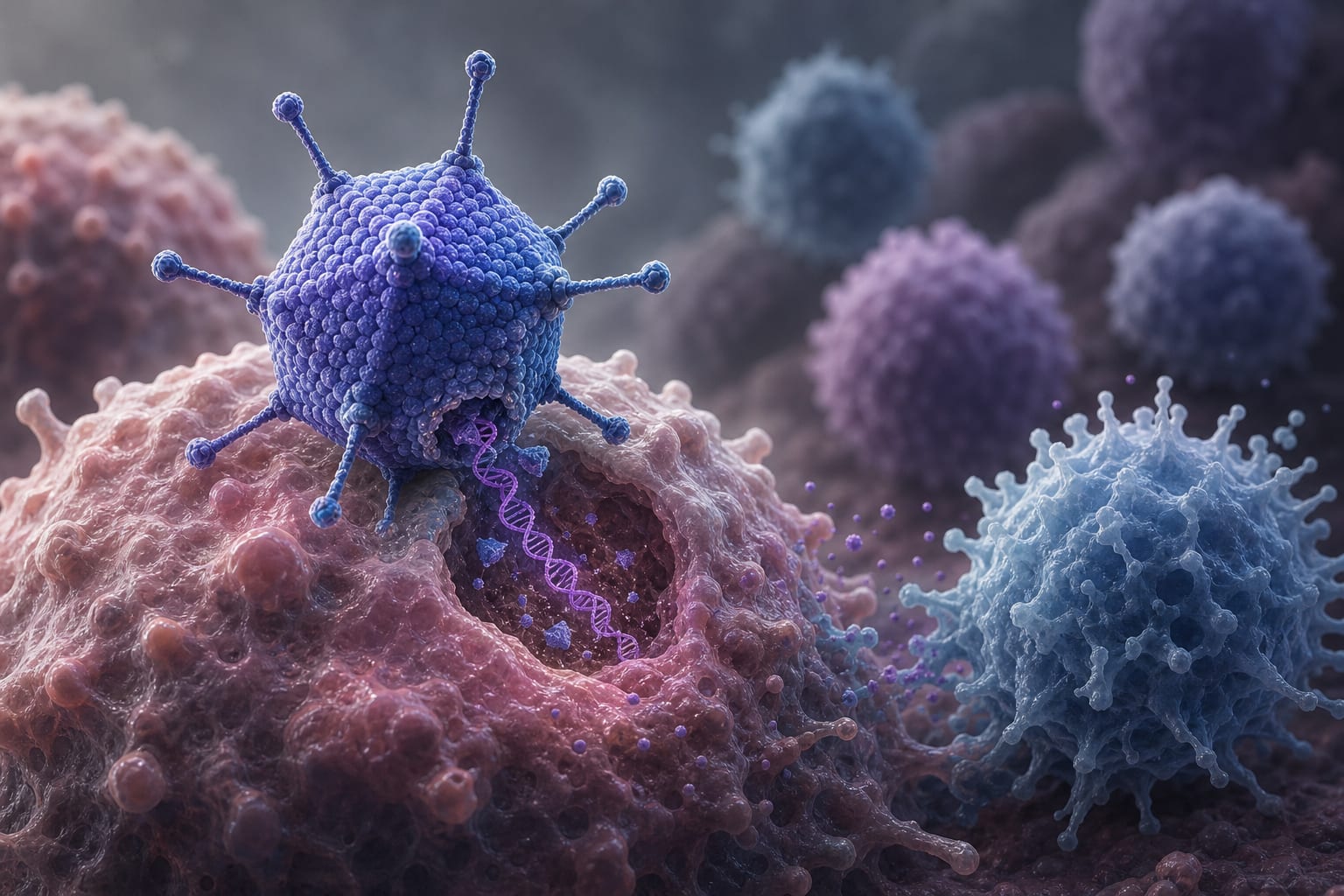
Overview of Oncolytic Virotherapy: The review discusses oncolytic virotherapy, focusing on genetically engineered adenoviruses that selectively target and destroy cancer cells while stimulating anti-tumor immune responses through the release of tumor-associated antigens.
Classification of Adenoviruses: Adenoviruses are classified into replication-deficient adenoviruses for gene therapy and conditionally replicating oncolytic adenoviruses (OAds) that selectively replicate in cancer cells, enhancing immune activation.
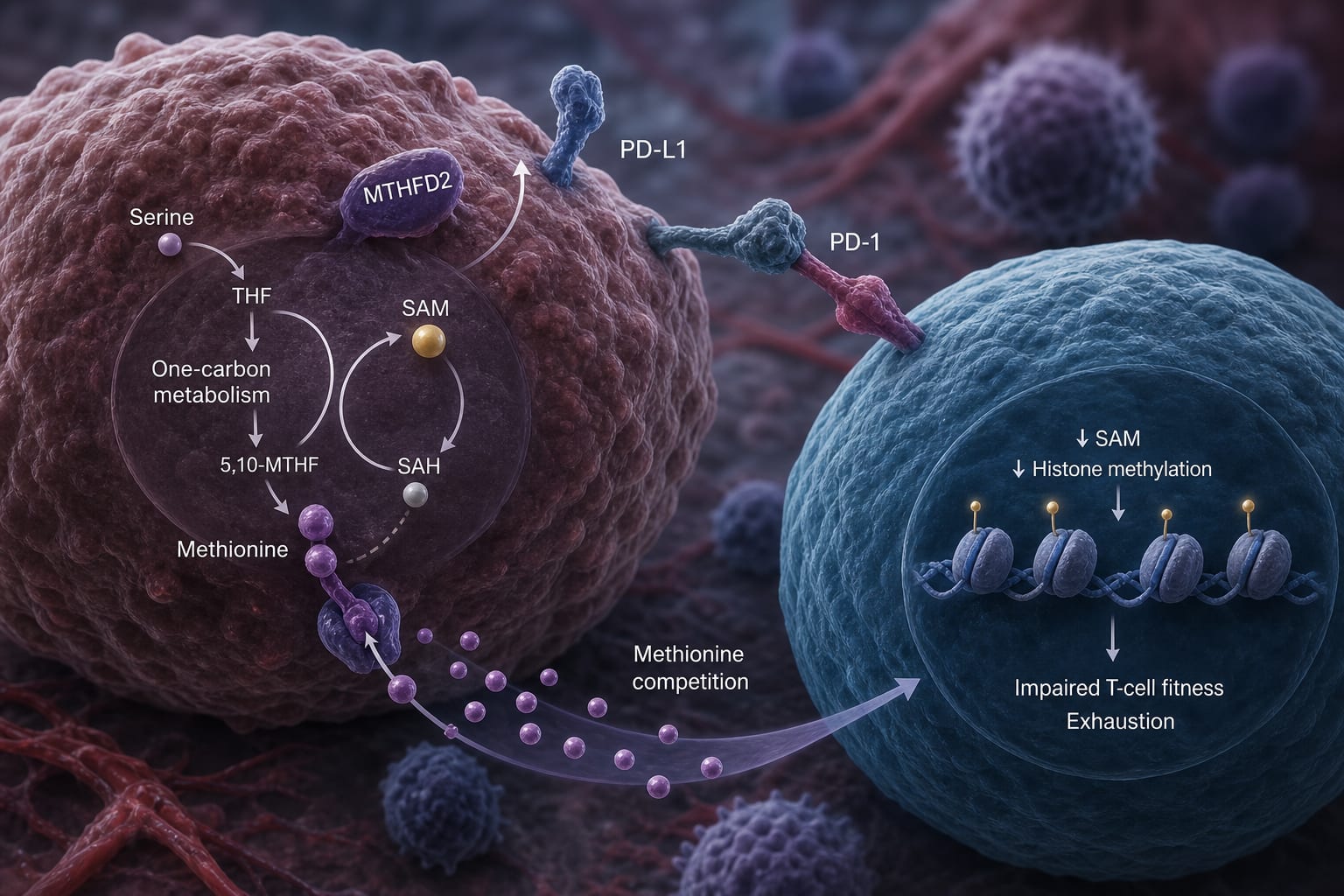
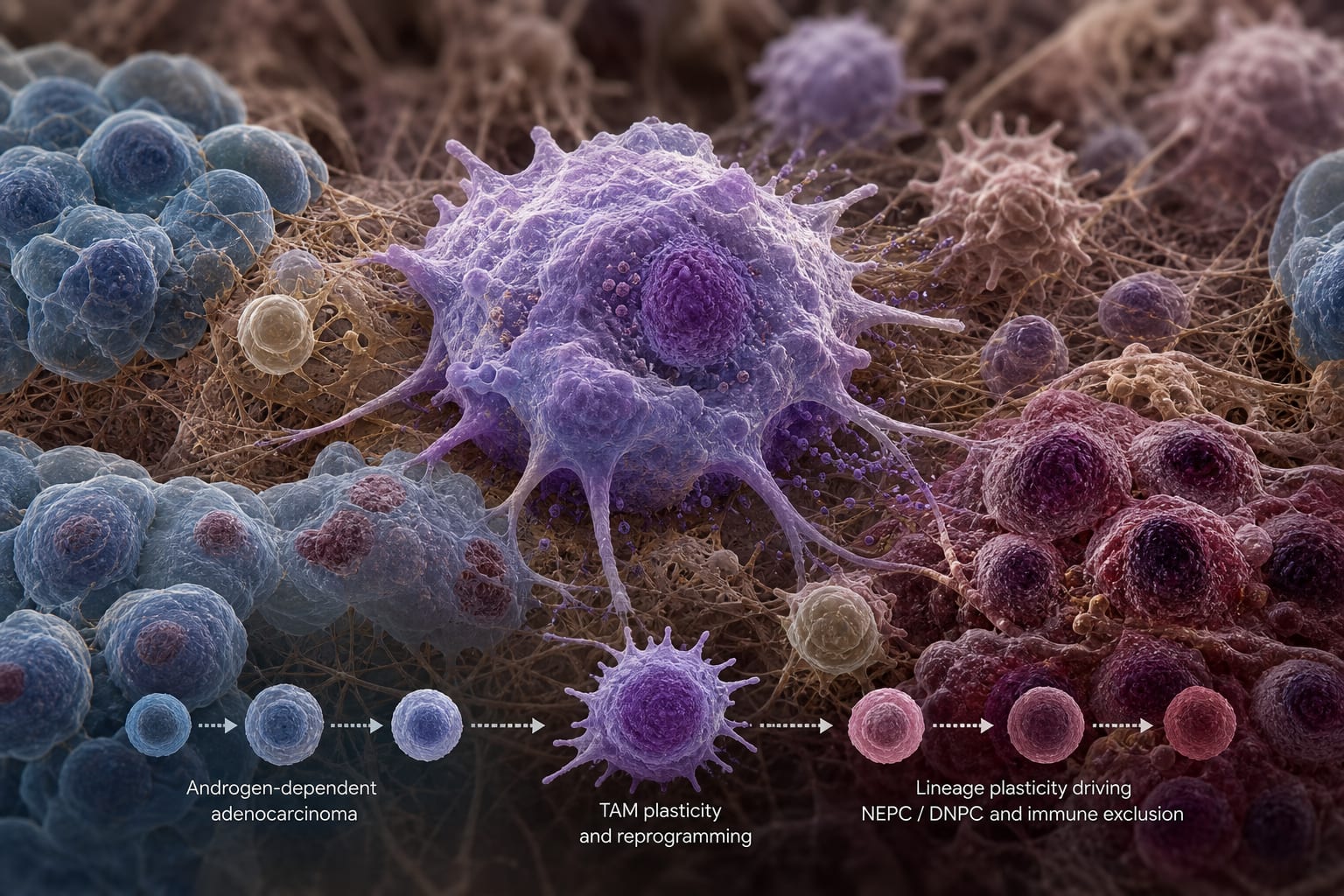
Tumor Microenvironment: The review examines the tumor microenvironment (TME) and its role in cancer immunity, highlighting the importance of tumor antigens, chronic inflammation, and the mechanisms by which the TME can promote tumor growth and resistance to therapy.
Immunotherapy Strategies: It outlines direct and indirect immunotherapy strategies targeting cancer cells and the surrounding microenvironment to promote anti-tumor immune responses, emphasizing their interconnectedness.
Key Findings:
Adenoviruses can be genetically modified for enhanced tumor selectivity and immunogenicity.
Oncolytic adenoviruses can convert immunologically 'cold' tumors into 'hot' tumors, enhancing immune-mediated clearance.
Chronic inflammation in the TME contributes to tumor formation and can lead to resistance to therapy.
Interpretation:
The review provides an overview of recent advances in adenovirus-based cancer therapies, focusing on their mechanisms and potential applications.
Limitations:
The review does not provide specific data on the efficacy and safety of adenovirus-based therapies in clinical trials.
Further research is needed to fully understand the interactions between the TME and immune responses, as well as the long-term effects of adenovirus therapies.
Conclusion:
Adenovirus-based therapies are an area of active research in cancer immunotherapy, with ongoing studies exploring their applications across various cancer types.