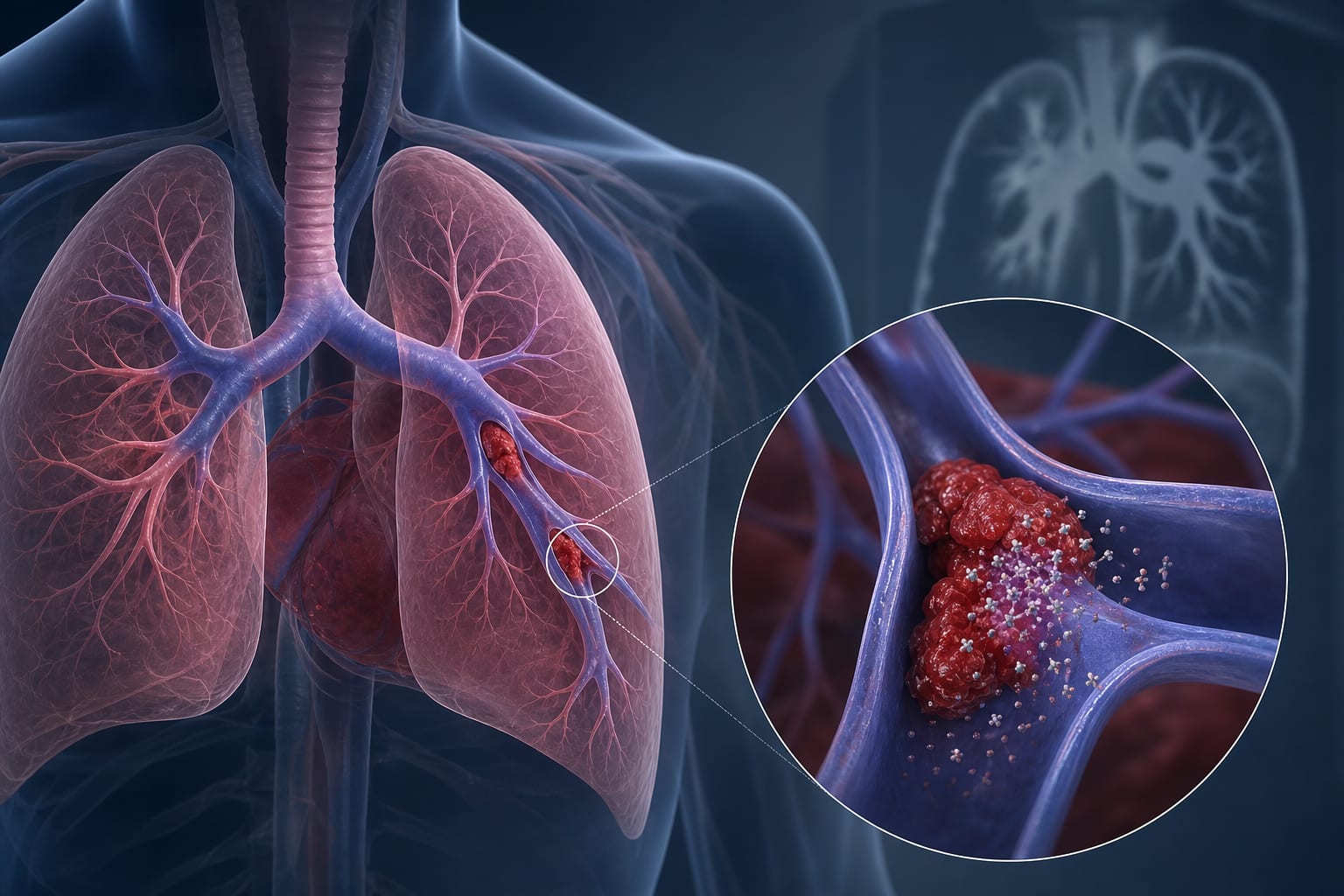
To evaluate the clinical efficacy and safety of low-dose alteplase thrombolysis in patients with acute intermediate-high-risk pulmonary thromboembolism (PTE) and PaO2/FiO2 ratio < 300 mmHg.
Approach:
Study Design: Randomized, open-label, parallel-controlled clinical trial involving 96 patients.
Interventions: Patients were assigned to conventional-dose thrombolysis (alteplase 50 mg/2 h), low-dose thrombolysis (alteplase 25 mg/2 h), or low-molecular-weight heparin anticoagulation.
Outcome Measures: PaO2/FiO2 ratio, NT-proBNP levels, mPAP, safety endpoints (mortality, hemodynamic decompensation, bleeding), and secondary outcomes (hospital and ICU stay, costs, 3-month outcomes) were assessed.
Key Findings:
Both thrombolysis groups showed greater improvements in PaO2/FiO2 ratio compared to the LMWH group at 24 h, 3 days, and 7 days (p < 0.05).
NT-proBNP levels decreased more in thrombolysis groups at 24 h and 3 days (p < 0.05).
mPAP was significantly lower in thrombolysis groups at 24 h and 7 days (p < 0.05).
No major bleeding occurred; minor bleeding was lower in the low-dose group compared to the conventional-dose group (6.1% vs. 20.5%, p < 0.05).
No differences were observed in hospital stay, ICU stay, costs, symptom improvement, or chronic thromboembolic pulmonary disease at 3 months (all p > 0.05).
Interpretation:
Limitations:
The study lacked sufficient statistical power to confirm a true difference in bleeding risk between groups.
Further large-sample studies with adequate power are warranted to verify the clinical value of low-dose alteplase.