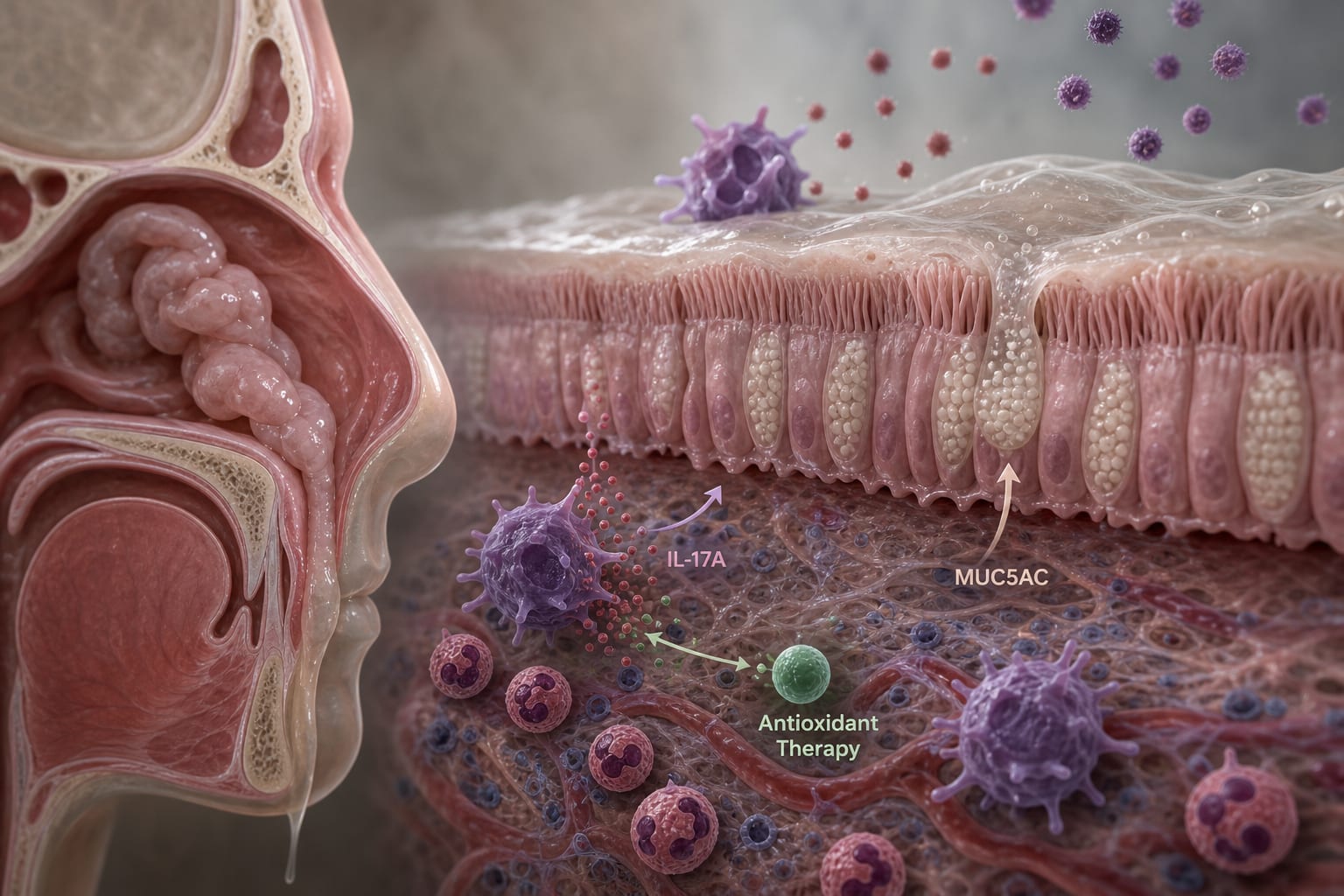
To explore the role of antioxidants in the pathophysiology and treatment of eosinophilic chronic rhinosinusitis (ECRS), highlighting their potential significance in improving patient outcomes.
Approach:
Key Findings:
Defects in Cu,Zn-SOD contribute to increased IL-17A and excessive mucin production in ECRS, suggesting a target for therapeutic intervention.
Reduced HO-1 expression is associated with epithelial damage in CRS with eosinophil infiltration, indicating a potential biomarker for disease severity.
Antioxidants may provide new therapeutic strategies for managing ECRS, warranting further investigation into their clinical application.
Interpretation:
The study suggests that antioxidants could play a significant role in addressing the pathophysiology of ECRS and highlights potential treatment targets, advocating for their integration into clinical practice.
Limitations:
The study primarily relies on existing literature and may not include new empirical data; future studies should incorporate clinical trials to validate findings.
The complexity of ECRS may limit the applicability of proposed antioxidant therapies, necessitating tailored approaches for different patient profiles.
Conclusion:
Identifying the molecular pathways and treatment targets related to antioxidants may enhance future therapeutic approaches for ECRS, emphasizing the need for continued research in this area.
The nurse practitioner profession claims the No. 1 spot across three categories in the U.S. News & World Report 2026 Best Jobs rankings for the third consecutive year.