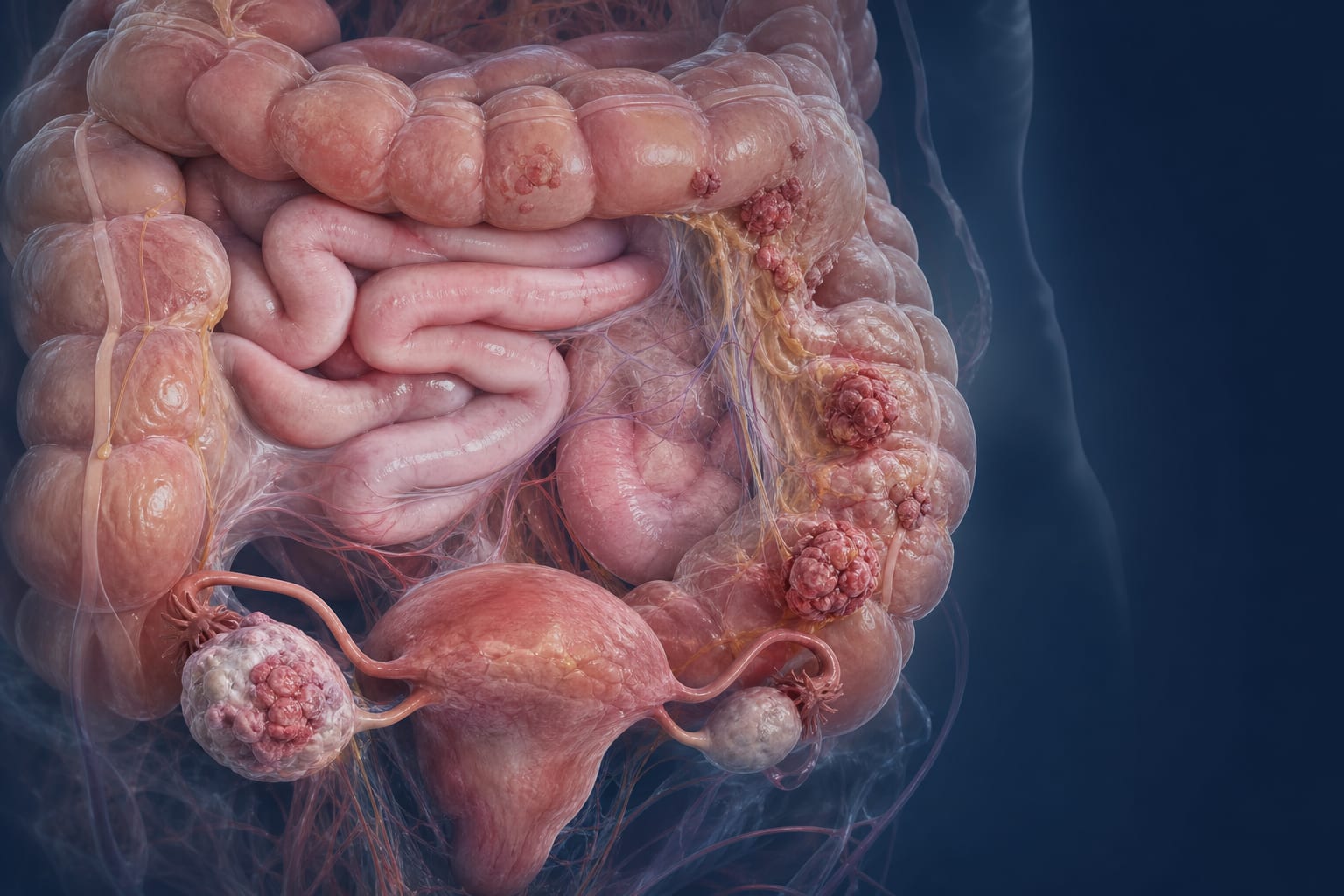
To evaluate haploidentical versus mismatched unrelated donor (MMUD) allogeneic hematopoietic stem cell transplantation (allo-HCT) using post-transplant cyclophosphamide (PTCy) in adults diagnosed with secondary acute myeloid leukemia (sAML) in first remission.
Approach:
Study Design: Registry-based study evaluating donor options in 711 adults with sAML.
Donor Selection: Comparison of haploidentical donors and MMUDs, focusing on outcomes with PTCy.
Key Findings:
PTCy-based prophylaxis resulted in comparable 3-year overall survival rates between matched donors and MMUD.
Haploidentical donors yielded outcomes similar to MMUDs, crucial for timely transplantation.
Registry data limitations include lack of TP53 mutation analysis and measurable residual disease (MRD) status.
Interpretation:
The equivalence of haploidentical and MMUD donors should be viewed cautiously due to inherent limitations in registry data and the complexity of sAML.
Limitations:
Absence of TP53 mutation data linked to poorer outcomes.
Lack of MRD status and detailed cause-specific mortality data.
Small size of MMUD cohort limits statistical power.
Conclusion:
Future research should focus on post-transplant strategies to reduce relapse rates and incorporate molecular characterization and MRD assessments.