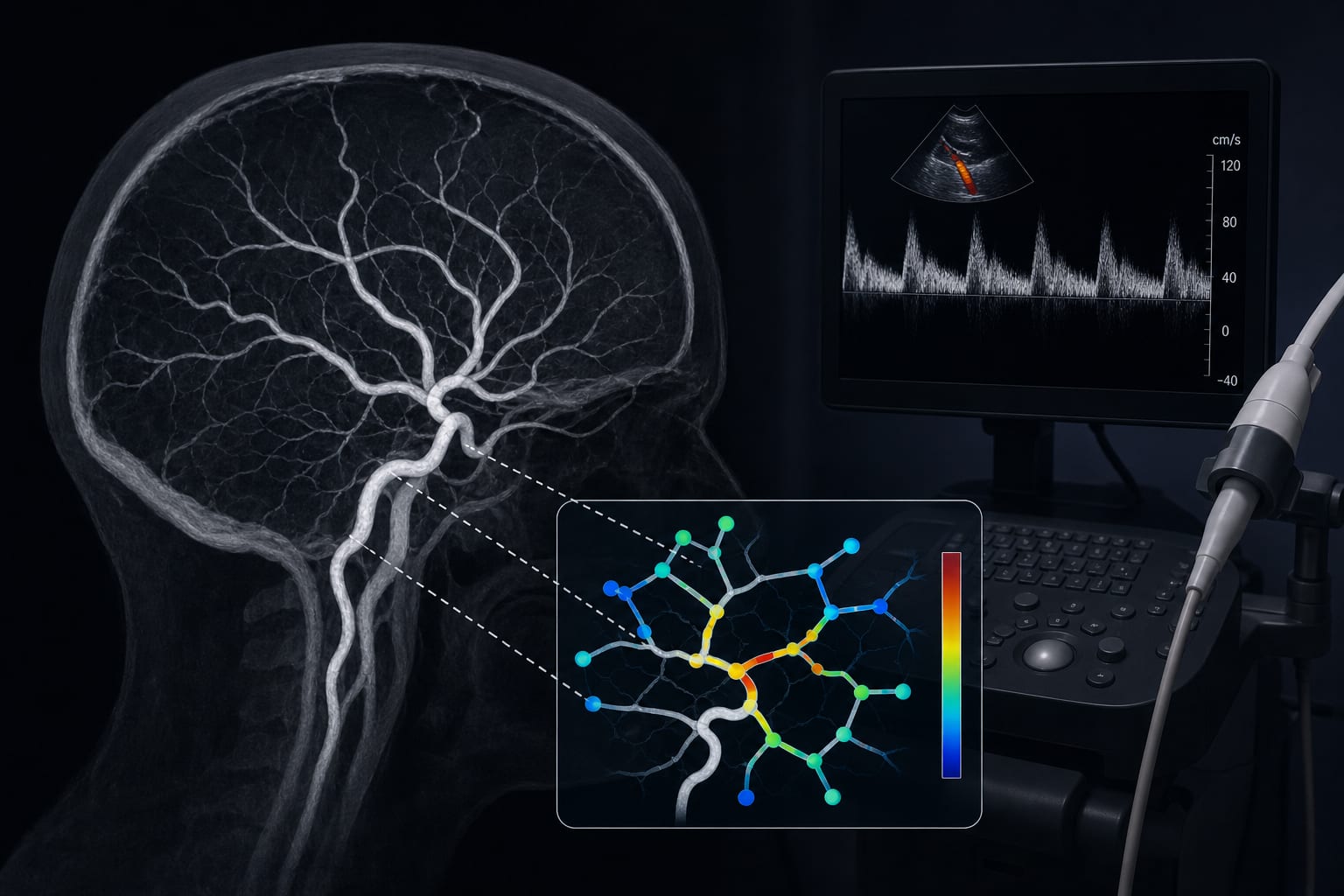
To develop a multi-organ signaling framework linking exercise-conditioned extracellular vesicles (EVs) to Alzheimer's disease (AD) pathology, emphasizing the interconnected processes involved.
Approach:
Framework Development: The review outlines how exercise influences EV biogenesis and their role in AD-related processes, including amyloid aggregation, tau propagation, neuroinflammation, and blood-brain barrier integrity, highlighting the interconnections among these processes.
Key Findings:
Exercise induces changes in EV biogenesis and alters the circulating EV pool.
EVs can co-deliver multiple signals and protect labile cargo, reflecting the state of the releasing cell.
Exercise-conditioned EVs may serve as biomarkers of exercise responsiveness and potential therapeutic platforms for AD.
Interpretation:
The framework suggests that exercise-conditioned EVs can link peripheral adaptations to brain pathology in AD, acting on multiple interconnected processes rather than isolated targets.
Limitations:
Cargo heterogeneity complicates the understanding of EV function.
Uncertain attribution of tissue origin of EVs limits clarity on their roles.
Current evidence is largely associative, lacking definitive causal links.
Conclusion:
Exercise-conditioned EVs represent a promising area for future research, potentially leading to biomarkers and therapies for AD.