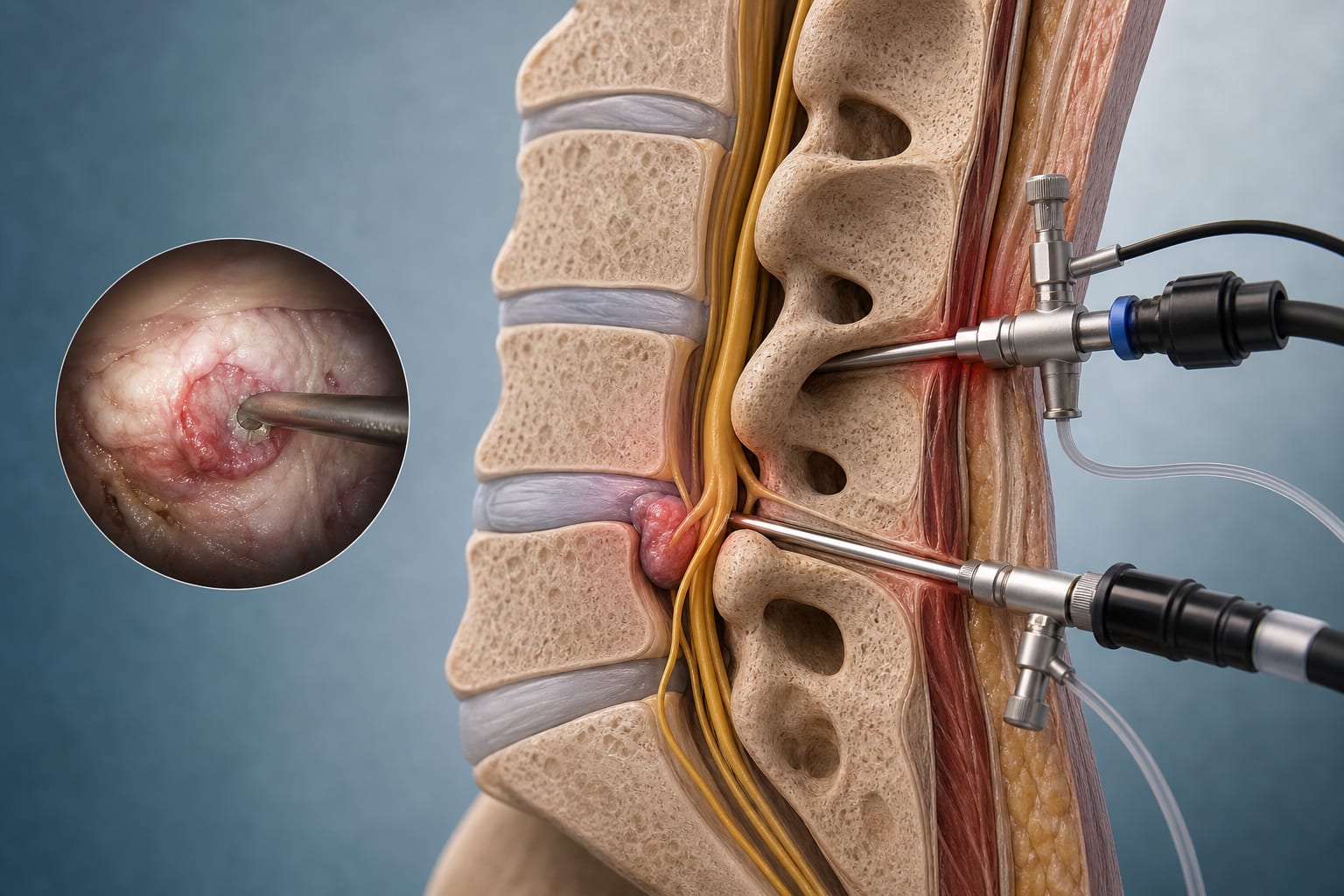
To analyze two cases of Staphylococcus aureus surgical site infections (SSIs) following unilateral biportal endoscopic (UBE) spine surgery, highlighting the implications for surgical protocols.
Key Findings:
Both patients developed deep SSIs caused by S. aureus, confirmed by culture.
Key risk factors included inadequate skin preparation, intraoperative fluid leakage, prolonged surgery, and poor postoperative care.
Antibiotic susceptibility profiles indicated infections likely stemmed from patients' own flora, underscoring the need for improved protocols.
Interpretation:
The findings suggest that SSIs after UBE surgery are multifactorial, necessitating comprehensive preoperative, intraoperative, and postoperative protocols to enhance patient outcomes.
Limitations:
The study is based on only two cases, limiting generalizability and potential biases in case selection.
Lack of preoperative antibiotic prophylaxis in both cases may not reflect standard practice.
Conclusion:
Implementing targeted interventions significantly reduced the risk of SSIs in subsequent practices, emphasizing the importance of protocol adherence.