No-Fee CE: Myopia Beyond 2025
-
By
-
CARA FRASCO LAI, OD, MS
-
Nicky Lai, OD, MS
-
March 1, 2026
-
29 min
By
CARA FRASCO LAI, OD, MS
Nicky Lai, OD, MS
March 1, 2026
SightGlass Vision launches a global campaign to educate clinicians on contrast management for slowing myopia progression
May 13, 2026
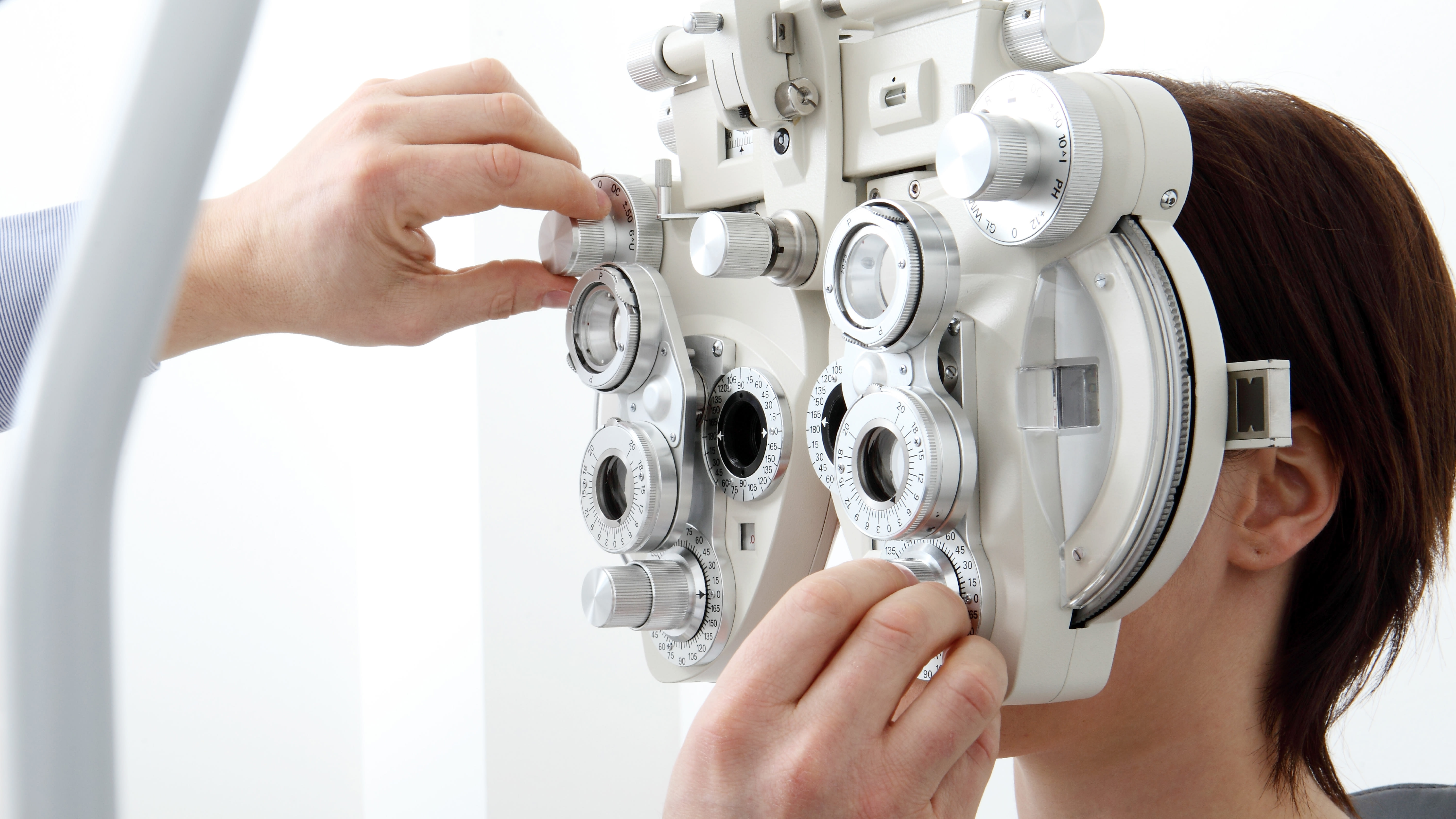
As global myopia rates soar, three landmark meta-analyses examine the European epidemiological landscape

This article will discuss the HOAs associated with keratoconus, how contact lenses can be used to correct aberrations, the efficacy of this correction, and the concept of neuroadaptation; it will conclude with cases of successful HOA reduction with scleral lenses.
by Aaron Zimmerman, OD, MS, Jamie Kuzniar, OD, Trevor Fosso, OD
July 1, 2026


