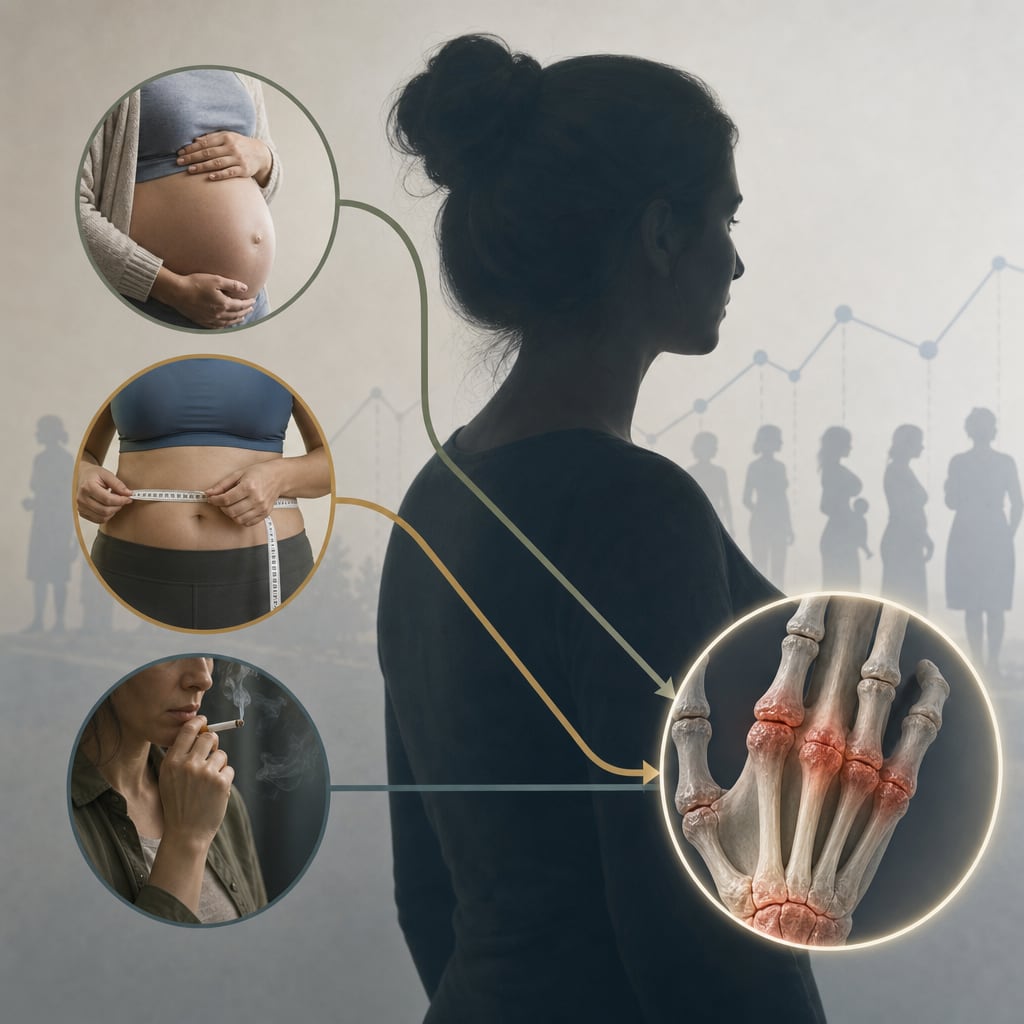
To highlight the emergence and evolution of FemTech in addressing specific gender disparities in health care, including funding, research representation, and cultural biases.
Approach:
Key Findings:
Women represent nearly half of the global population but are underrepresented in health research and innovation, with only 6% of private health care investment and 8.8% of NIH funding directed towards women's health.
Cultural biases often lead to women's health issues being dismissed or misattributed, highlighting the need for more inclusive research.
Recent studies indicate that women's health innovations are often developed without adequate representation of diverse populations, exacerbating existing disparities.
Interpretation:
FemTech has the potential to transform women's health care by improving access and addressing systemic disparities, but it must also actively work to avoid reinforcing existing inequities through inclusive practices.
Limitations:
FemTech solutions can inadvertently perpetuate biases through non-inclusive datasets, such as those that do not represent diverse demographics.
Some innovations may address women's health issues in isolation rather than within broader systemic contexts, limiting their effectiveness.
Conclusion:
The evolution toward Deep FemTech represents an opportunity to redefine women's health care and address longstanding disparities, necessitating a commitment to inclusivity and comprehensive health solutions.