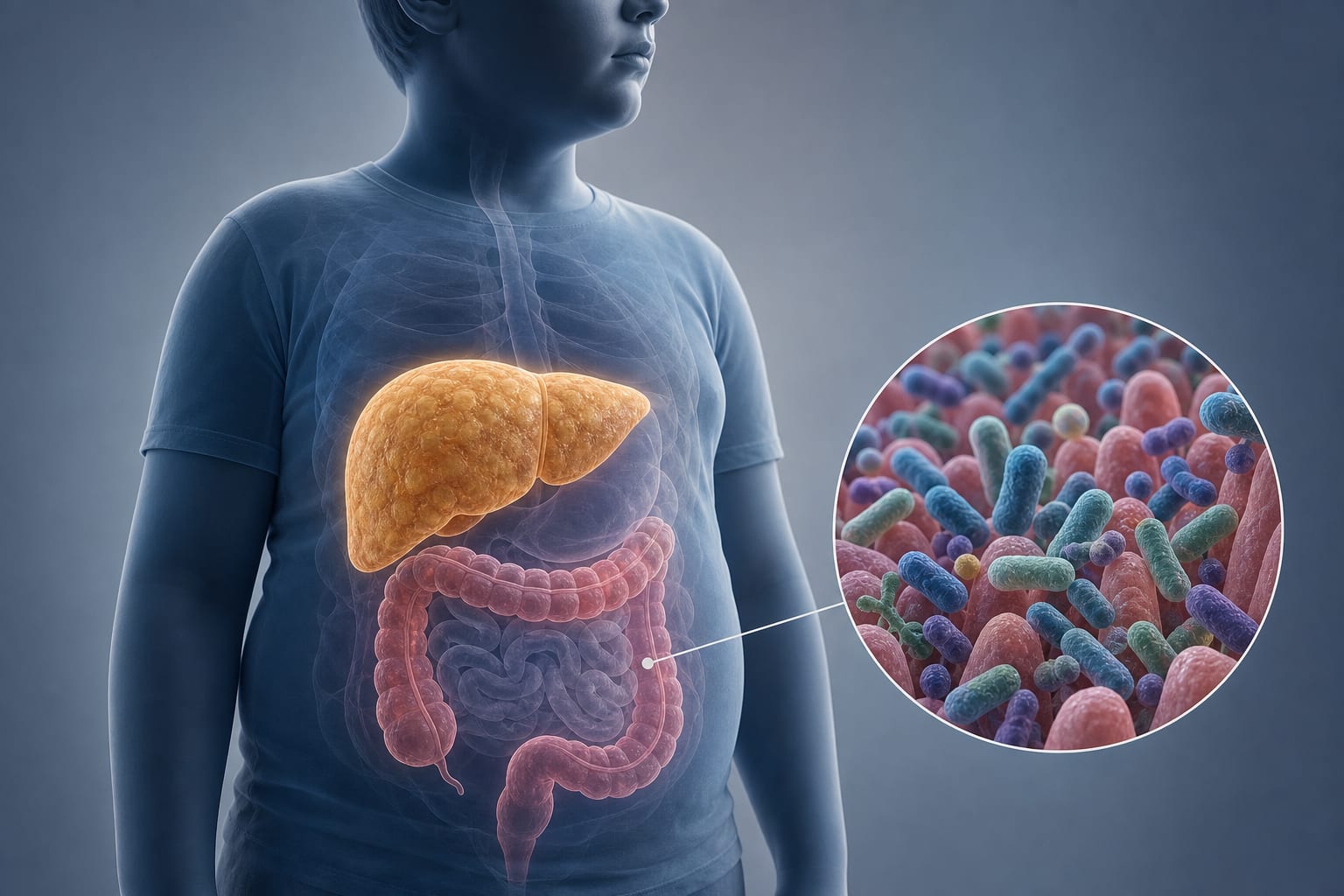
To elucidate immunometabolic mechanisms and identify effective therapeutic targets for Metabolic dysfunction-Associated Steatohepatitis (MASH), addressing the urgent need for new treatments.
Key Findings:
MASH is a progressive liver disease linked to metabolic dysfunction and immune-driven inflammation, necessitating urgent therapeutic strategies.
Insulin resistance is a pivotal factor in the pathogenesis of MASH, influencing treatment approaches.
Fibrosis stage is the strongest prognostic determinant of liver-related outcomes, underscoring the need for early intervention.
Current pharmacotherapy options for MASH are limited, emphasizing the critical need for new treatments.
Interpretation:
MASH results from a complex interplay of metabolic imbalance and immune dysregulation, necessitating multi-target therapeutic strategies for effective management and future research directions.
Limitations:
Lack of widely approved pharmacological therapies complicates disease management, highlighting the need for innovative solutions.
The heterogeneity of disease progression and clinical manifestations poses challenges for treatment, suggesting areas for further investigation.
Conclusion:
Precision stratification based on immunometabolic networks and multi-target interventions represent promising directions for future drug development and individualized treatment, addressing the urgent need for effective therapies.