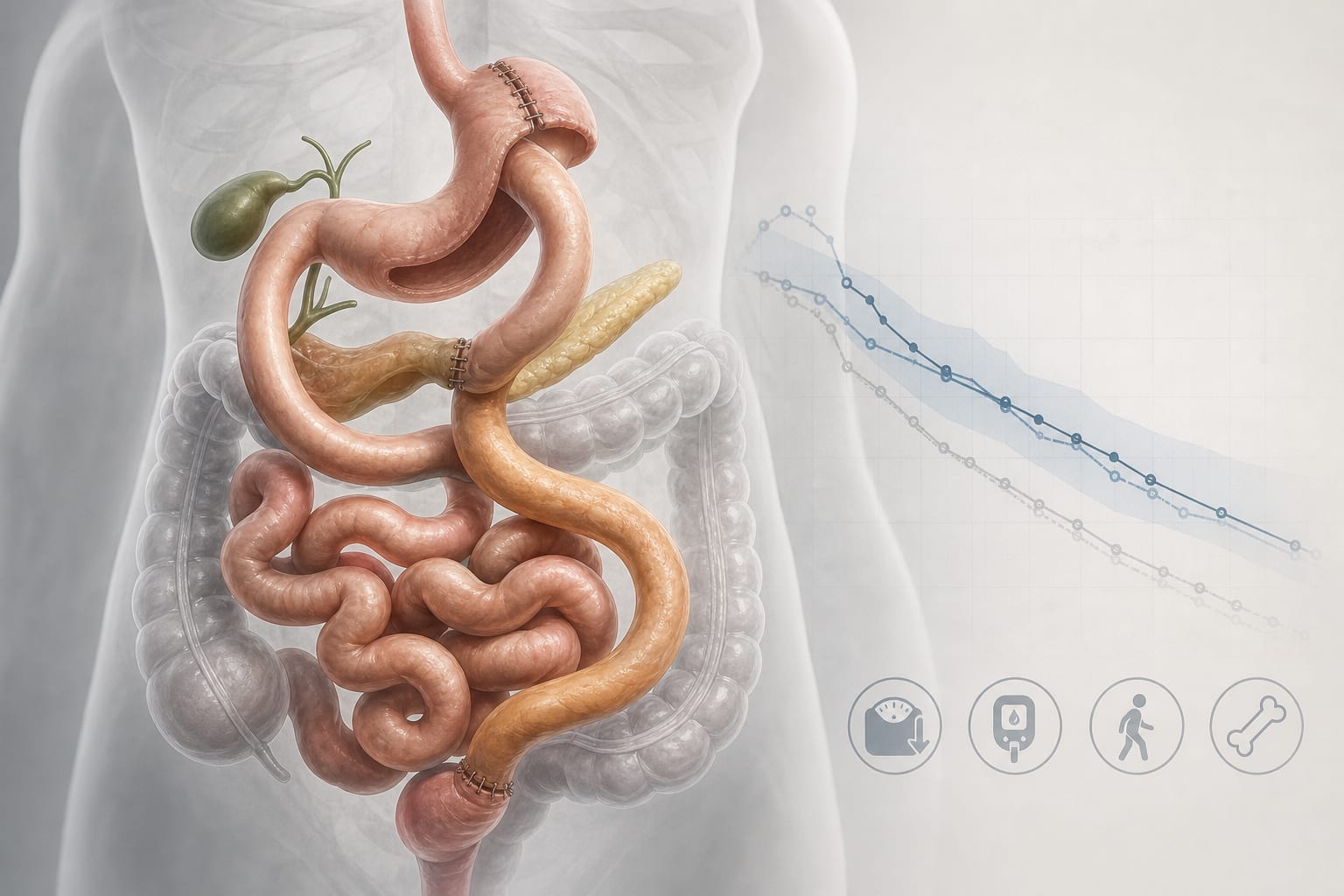
To report a case of postoperative hemorrhage following gastrectomy where the source of bleeding was identified as the posterior nasal cavity, highlighting the importance of considering atypical sources in postoperative care.
Key Findings:
Postoperative hemorrhage can occur from atypical sources such as the posterior nasal cavity, necessitating thorough investigation.
Conventional imaging techniques may not always identify the source of bleeding, highlighting the need for alternative diagnostic approaches.
Endoscopic evaluation can be crucial in diagnosing unusual bleeding sites, emphasizing its role in postoperative care.
Interpretation:
In cases of post-gastrectomy hemorrhage where standard diagnostic methods fail, clinicians should consider remote bleeding sources and atypical drainage pathways, potentially altering diagnostic protocols.
Limitations:
The case is based on a single patient, limiting generalizability and necessitating caution in applying findings broadly.
The unusual nature of the bleeding source may not be applicable to all postoperative hemorrhage cases, indicating a need for further research.
Conclusion:
Clinicians should maintain a high index of suspicion for remote bleeding sources in postoperative patients, especially when conventional diagnostics are inconclusive, to improve patient outcomes.
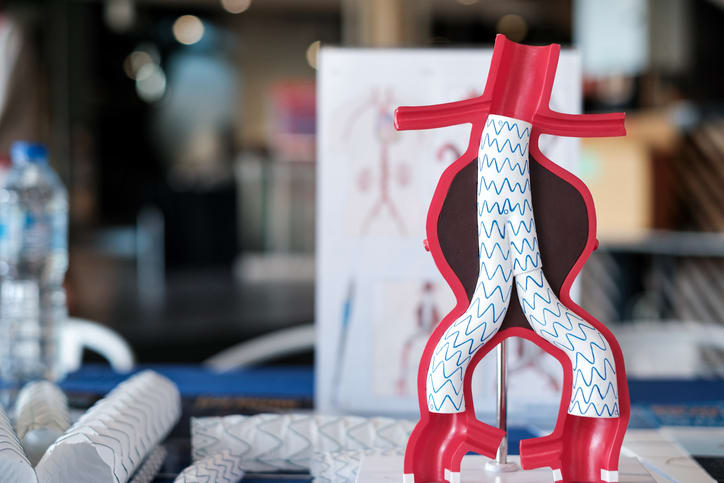
In this procedural case review, vascular surgeon Dr. Samuel Steerman demonstrates endovascular aneurysm repair (EVAR) for a patient in their 70s with an abdominal aortic aneurysm.