Global research landscape and trends of single-cell sequencing in sexually transmitted infections: a comprehensive bibliometric analysis from 2015 to 2025 - Summary - MDSpire
Advertisement
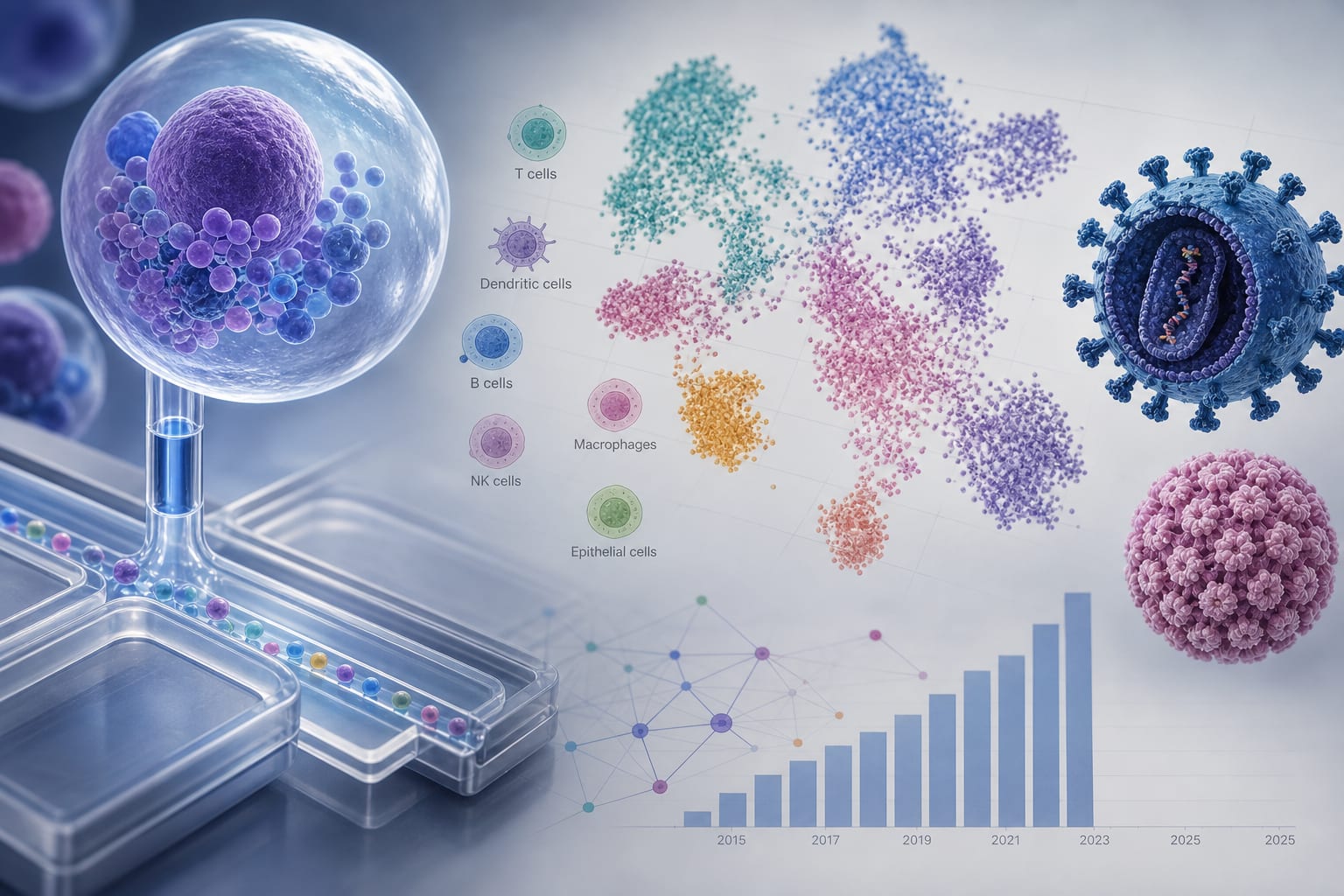
Global research landscape and trends of single-cell sequencing in sexually transmitted infections: a comprehensive bibliometric analysis from 2015 to 2025
To summarize and quantify the developmental dynamics, research hotspots, and future directions of single-cell sequencing in sexually transmitted infections (STIs) through bibliometric analysis.
Approach:
Data Retrieval: Relevant publications from 2015 to 2025 were retrieved from the Web of Science Core Collection (WoSCC).
Data Analysis: Data were visualized and analyzed using CiteSpace, VOSviewer, and the Bibliometrix R package.
Clinical Trials Assessment: Clinical trials were obtained from ClinicalTrials.gov to assess clinical advancements in the field.
Key Findings:
A total of 148 relevant articles and reviews were included in the study.
The United States led in publication output, citation counts, and international collaboration.
Chiarella J, Ho YC, and Wang FS were the most active authors, while Stuart T was the most frequently co-cited scholar.
Emerging research clusters included 'HPV-related head and neck squamous cell carcinoma' and 'HIV-regulating factor', suggesting increased research attention.
Identified emerging keywords included 'spatial transcriptomics', 'epithelial cells', 'biomarkers', and 'machine learning'.
Interpretation:
The study enhances understanding of research hotspots and emerging directions in single-cell sequencing related to STIs.
Limitations:
Data for 2025 were incomplete, as only publications indexed up to the search cutoff date (May 1, 2025) were included.
Conclusion:
The bibliometric analysis provides a comprehensive summary of the research landscape and advances of single-cell sequencing in STIs, offering references for future research.