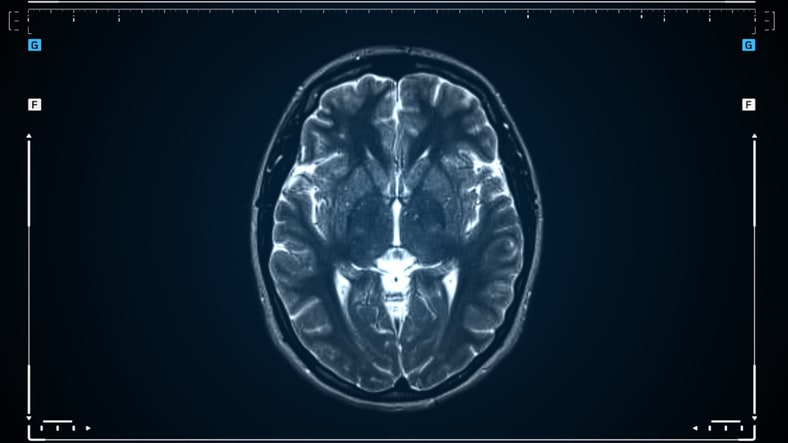
To determine the incidence of surgically treated chronic subdural hematoma (cSDH) within six months following head injury in patients with normal initial CT scans (defined as no acute traumatic lesions) and identify pre- or peri-injury risk factors.
Key Findings:
Incidence of surgically treated cSDH in patients with normal initial CT scans is under-researched, highlighting a gap in current medical literature.
Risk factors for cSDH include age, antithrombotic medication, and possibly alcohol misuse, which may inform clinical assessments.
Surgical evacuation via burr hole remains the primary treatment for symptomatic cSDH, underscoring the need for timely intervention.
Interpretation:
The study highlights the need for increased clinical awareness of cSDH development even in patients with normal initial CT scans, suggesting that evaluations should incorporate potential risk factors.
Limitations:
Retrospective design may introduce selection bias.
Limited data on Glasgow Coma Scale scores due to missing information, which may affect the assessment of injury severity.
Findings may not be generalizable to populations outside the Pirkanmaa region.
Conclusion:
Further research is needed to better understand the incidence and risk factors for cSDH in patients with normal initial CT scans following head injuries.