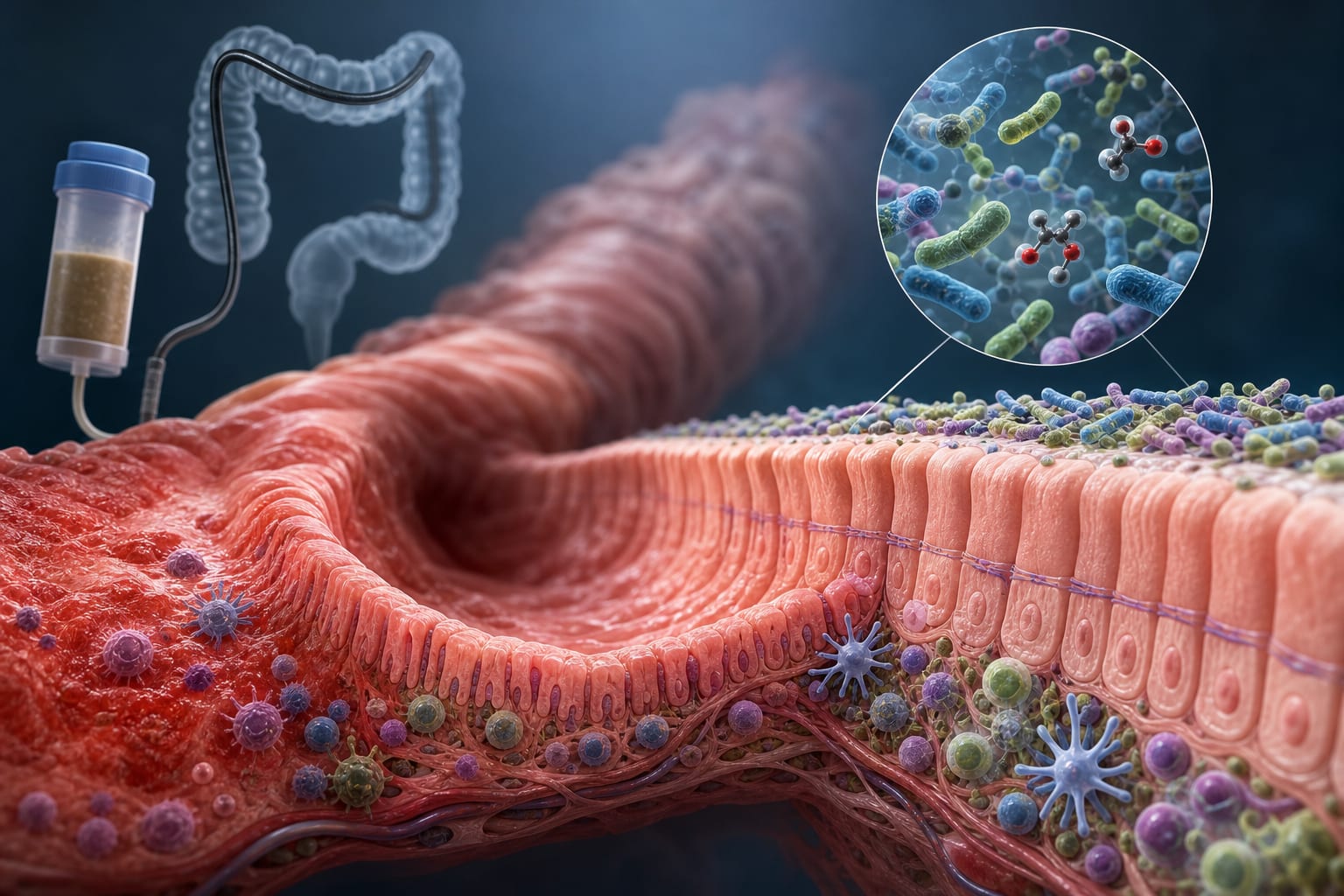
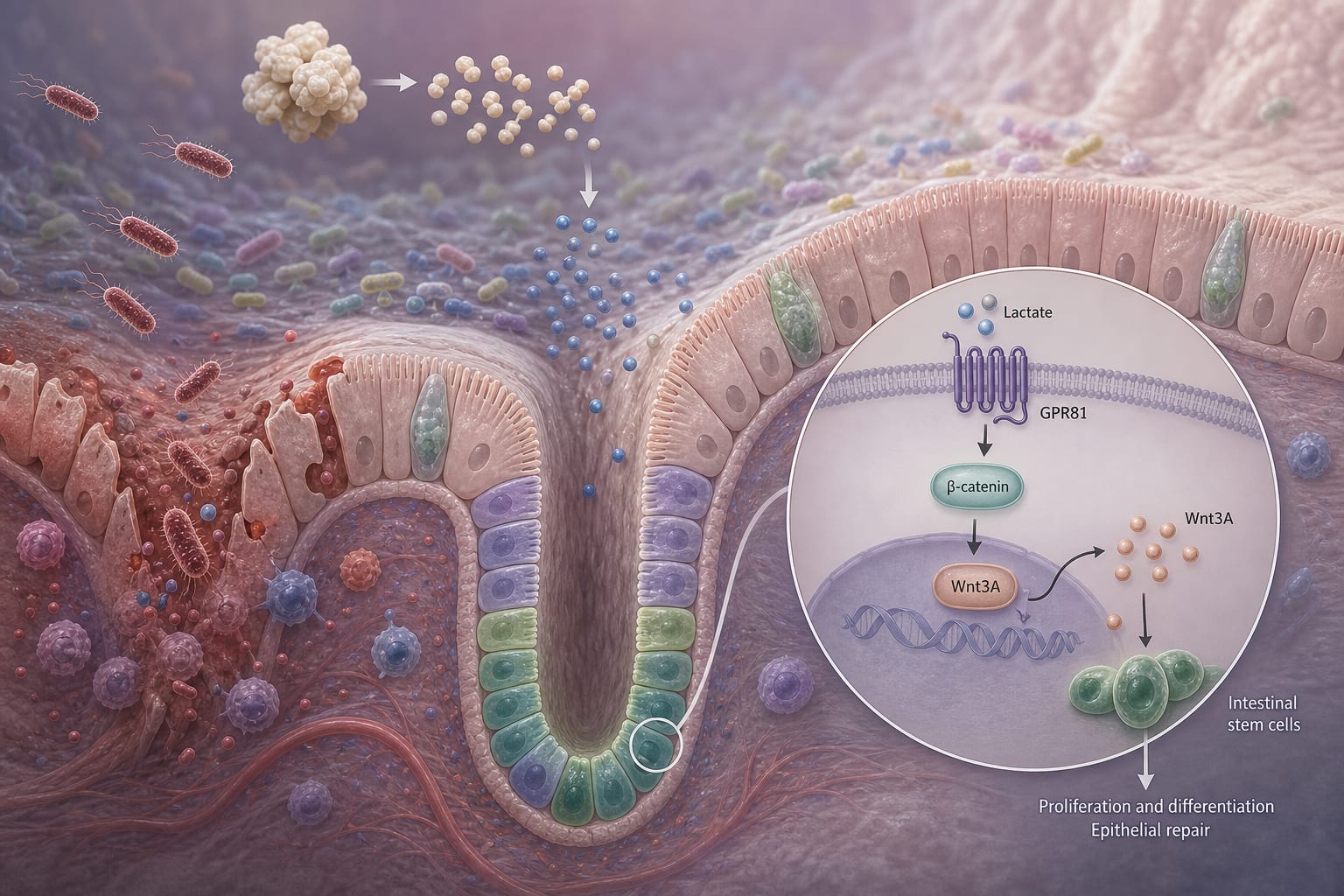
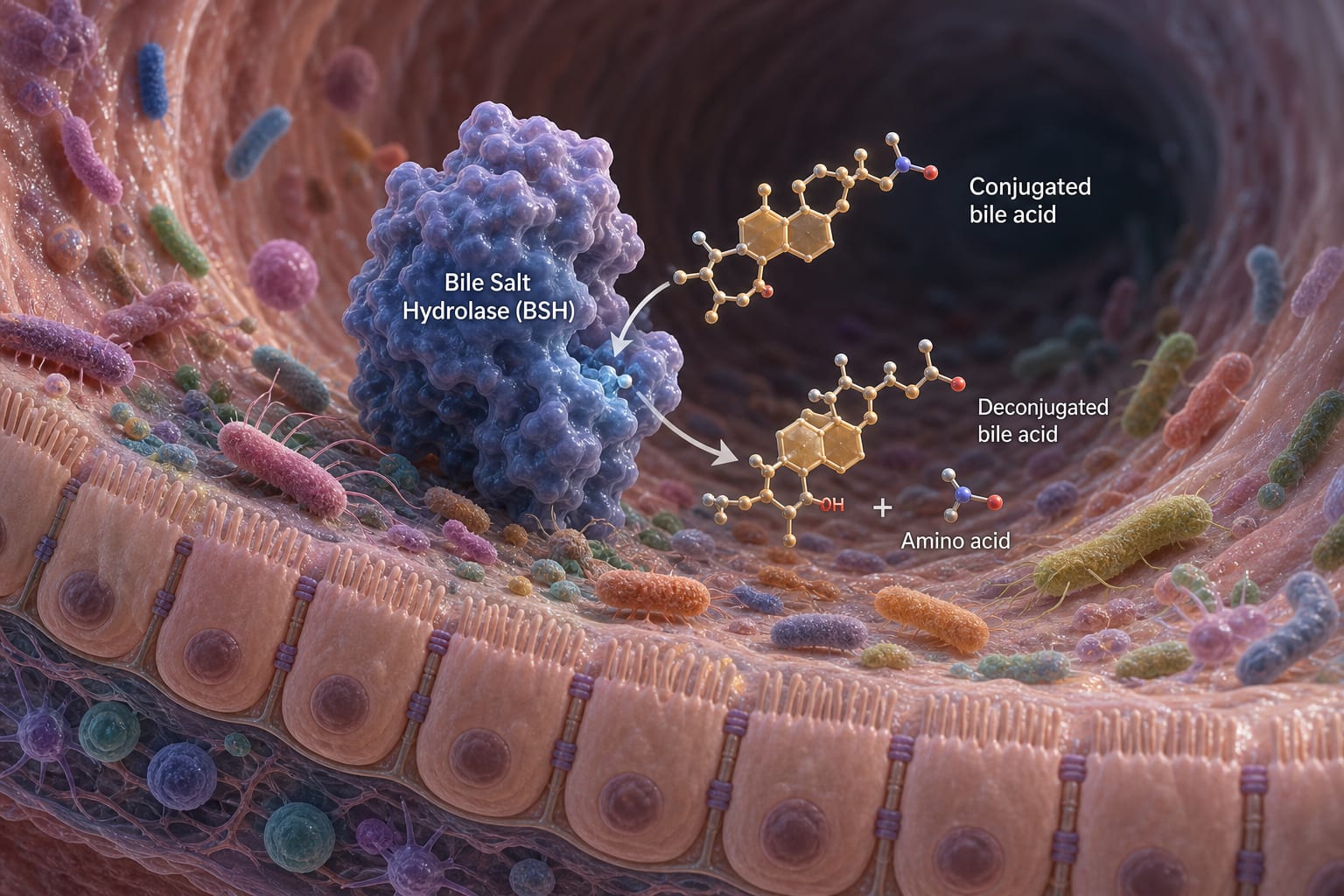
To integrate microbiota–metabolite–barrier–immune mechanisms with clinical evidence to define the utility and limitations of fecal microbiota transplantation (FMT) in ulcerative colitis (UC).
Approach:
Mechanistic Synthesis: Synthesize current evidence on the molecular and cellular mechanisms of FMT in UC, including microbiota reconstitution, metabolic reprogramming, epithelial barrier repair, and immune regulation.
Clinical Evidence Appraisal: Critically appraise clinical evidence, focusing on recent trials that define the therapeutic boundaries of FMT.
Translational Strategies Examination: Examine translational strategies such as donor–recipient functional matching, manufacturing standardization, combination therapy, predictive biomarkers, and next-generation microbiota therapeutics.
Key Findings:
FMT can reshape microbial community structure and enhance mucosal immunity in UC.
Randomized controlled trials indicate FMT can induce clinical and endoscopic remission in selected UC patients.
Efficacy of FMT appears limited in moderate-to-severe or biologic-refractory UC.
Personalized strategies may improve response and safety but require further validation.
Interpretation:
Current guidelines do not recommend conventional FMT as routine therapy for UC outside clinical trials due to heterogeneity and low certainty of evidence.
Limitations:
Heterogeneous results from FMT trials.
Variability in outcomes based on donor characteristics and administration methods.
Need for personalized approaches rather than a one-size-fits-all strategy.
Conclusion:
This review aims to provide a balanced framework for understanding the current role and future development of FMT in UC.