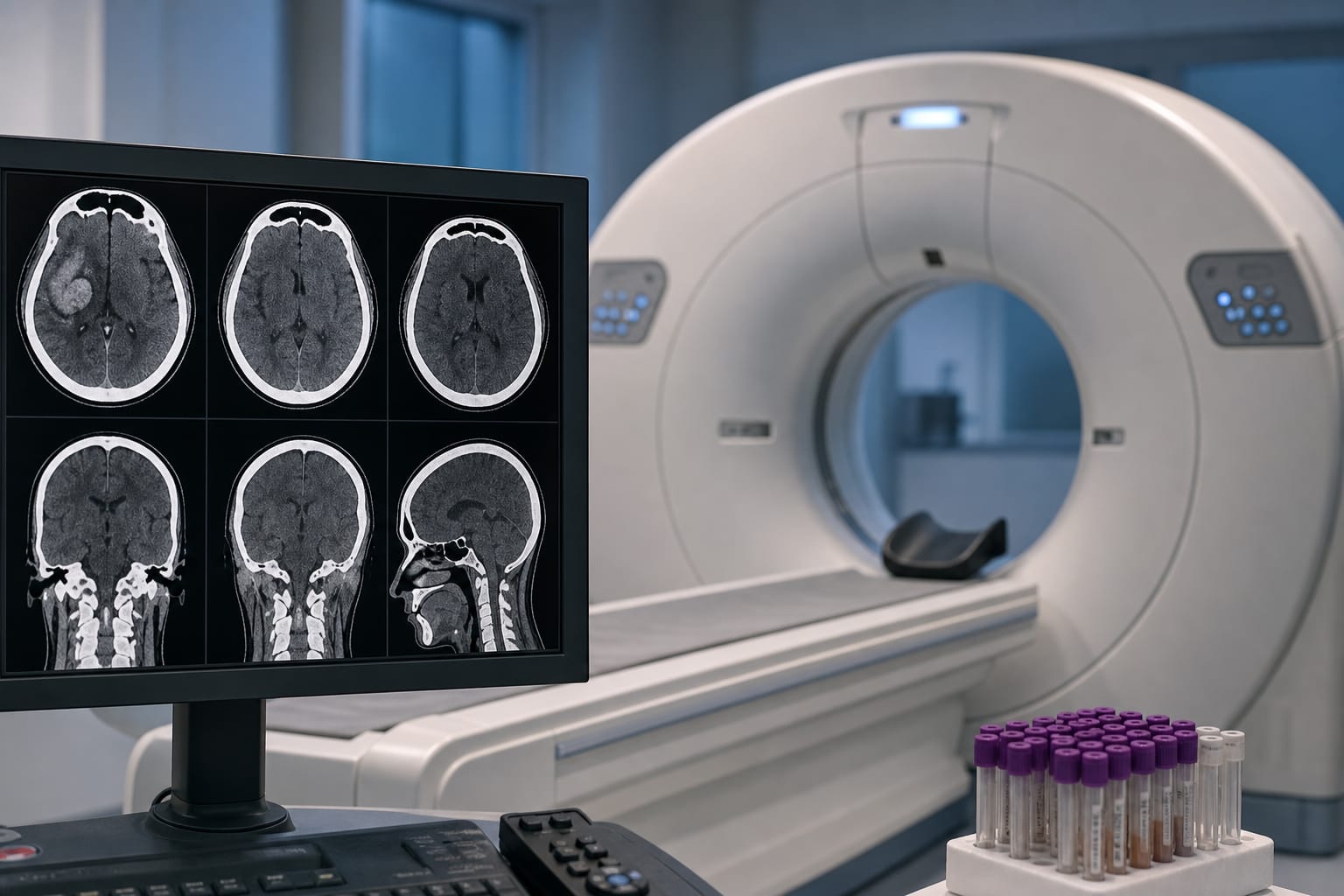
To evaluate the impact of pediatric emergency care capability on imaging patterns in pediatric patients treated in emergency departments, particularly concerning insurance status and race/ethnicity.
Approach:
Study Design: Retrospective cohort study analyzing 2019 data from multiple states linked with the National Pediatric Readiness Project survey.
Population: Included 857,034 emergency department visits among patients aged 18 years or younger with asthma, head trauma, or abdominal trauma.
Assessment: Pediatric capability was assessed through the presence of pediatric emergency care coordinators, pediatric readiness scores, and hospital pediatric resources.
Key Findings:
Pediatric patients with public insurance and those identifying as Hispanic or Black were less likely to undergo imaging compared to privately insured or White patients.
Increased pediatric capability was associated with lower overall imaging utilization but did not reduce disparities in imaging by race, ethnicity, or insurance status.
Imaging rates were 32% for chest radiography, 19% for head CT, and 17% for abdominal CT among the studied population.
Publicly insured patients had 15% lower odds of chest radiography for asthma, 23% lower odds of head CT for head trauma, and 41% lower odds of abdominal CT for abdominal trauma compared to privately insured patients.
Interpretation:
Limitations:
Reliance on administrative data with limited clinical detail.
Inability to distinguish imaging performed in the emergency department from that obtained after hospital admission.