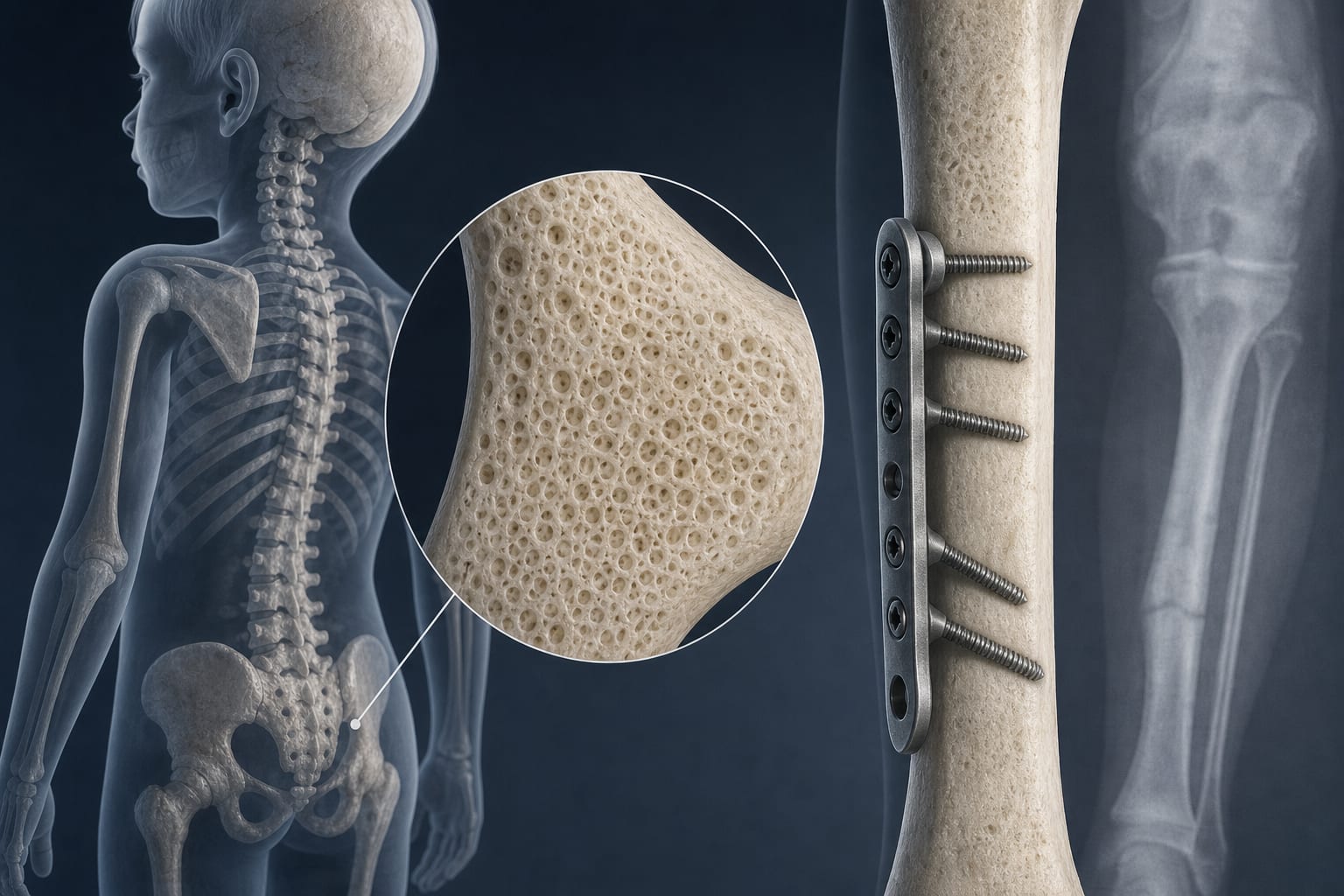
To summarize the existing literature on osteopetrosis and assist orthopaedic surgeons in developing treatment protocols for pediatric patients.
Approach:
Method: label
Method: text
Key Findings:
Osteopetrosis is a rare genetic disorder characterized by increased bone density and brittleness due to osteoclast dysfunction.
The condition is divided into three types: malignant infantile autosomal recessive osteopetrosis (ARO), intermediate autosomal osteopetrosis (IAO), and benign adult autosomal dominant osteopetrosis (ADO), with ARO affecting 1 in 250,000 children and ADO II having a prevalence of 1 in 20,000 adults.
Prognosis varies significantly among subtypes, with ARO often being fatal in infancy without treatment, while ADO leads to chronic morbidity but not major survival impacts.
Interpretation:
Caring for osteopetrosis patients necessitates a multidisciplinary approach due to the disease's effects on multiple organ systems.
Limitations:
Limited pediatric-specific literature exists, necessitating reliance on studies involving adult or mixed-age populations.
The review's non-systematic nature may limit the comprehensiveness of the findings.
Conclusion:
This review aims to guide orthopaedic surgeons in diagnosing and treating osteopetrosis in children, recognizing the complexities involved.