Comment on “Life’s essential 8 and specific cancer risk and mortality in men and women: a population-based cohort analysis of 332,417 United Kingdom participants” and the inclusion of sleep in cancer focused guidelines - Summary - MDSpire
Conexiant’s news site is now MDSpire News. Learn more
Advertisement
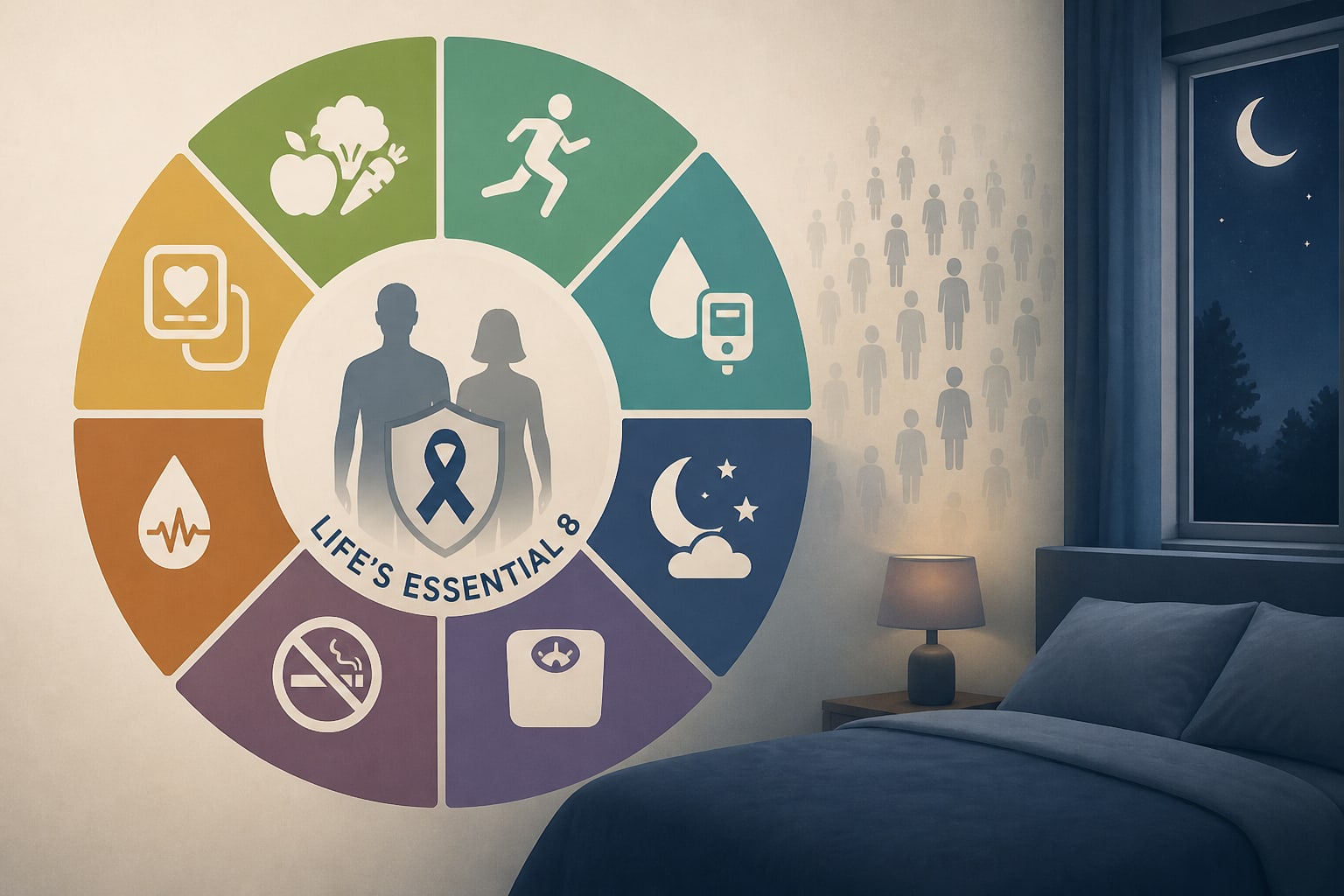
Discussion on “Life’s Essential 8 and Cancer Risk and Mortality in Men and Women: A Cohort Study of 332,417 Participants from the United Kingdom” and the Role of Sleep in Cancer Guidelines
To discuss the implications of the American Heart Association's Life’s Essential 8 (LE8) guidelines on cancer risk and the role of sleep in cancer prevention, based on findings from Yang et al.
Approach:
Study Overview: Yang et al. analyzed LE8 scores in 380,042 UK Biobank participants to assess associations with various cancer types, risk, and mortality.
Key Findings:
LE8 adherence is associated with lower cancer risk.
Sleep duration scoring within LE8 may not accurately reflect its relationship with cancer risk.
Higher scores in diet, physical activity, smoking, and body mass index correlate with lower cancer risk.
Diabetes shows varied associations with different cancer types, with some cancers showing lower risk in relation to higher LE8 scores.
Interpretation:
The findings suggest that while LE8 components are beneficial for cardiovascular health, their relevance to cancer risk may differ, particularly regarding sleep.
Limitations:
The LE8 guidelines were primarily designed for cardiovascular disease risk and may not fully capture cancer risk factors.
The scoring system for sleep may not capture the complexity of sleep health and its relationship with cancer.
Conclusion:
Further investigation is needed regarding the inclusion of sleep in cancer prevention guidelines, as sleep duration may be a modifiable lifestyle factor.