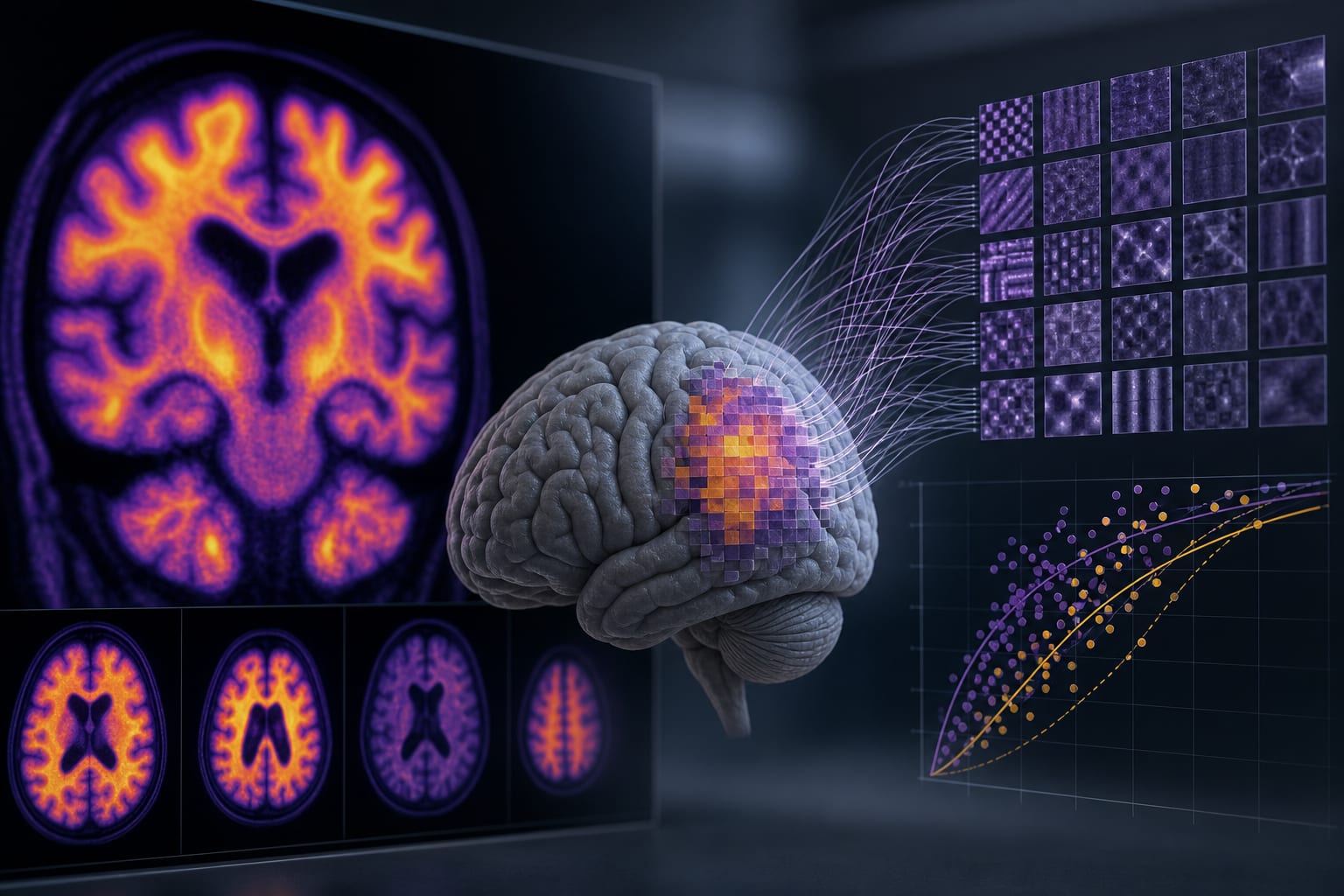
To explore the molecular features and clinical presentations of LATE/LATE-NC and the specific challenges in developing fluid biomarkers for its diagnosis.
Key Findings:
LATE-NC is prevalent in the elderly and contributes significantly to cognitive decline, with mixed pathologies complicating diagnosis.
TDP-43 proteinopathy is distinct from ADNC and can exist independently.
Mixed pathologies are common in aging brains, complicating clinical diagnosis and treatment.
Interpretation:
Understanding LATE-NC is crucial for accurate diagnosis and treatment of dementia, as it often overlaps with ADNC but has distinct pathological features that must be recognized in clinical practice.
Limitations:
Lack of molecular-specific biomarkers for differentiating LATE from other dementias.
Challenges in clinical diagnosis due to overlapping symptoms with AD.
Need for more comprehensive studies on LATE-NC to better understand its clinical implications.
Conclusion:
Further research is needed to develop reliable biomarkers for LATE-NC to improve diagnostic accuracy and patient management.