Animal models of pyruvate dehydrogenase complex deficiency: insight into mechanisms of cerebral abnormalities and tissue-specific role in metabolism - Summary - MDSpire
Advertisement
Animal models of pyruvate dehydrogenase complex deficiency: insight into mechanisms of cerebral abnormalities and tissue-specific role in metabolism
To emphasize the utility of animal models in defining PDC's role in energy metabolism and to evaluate the potential beneficial effects of dietary modifications and drug treatments.
Approach:
Key Findings:
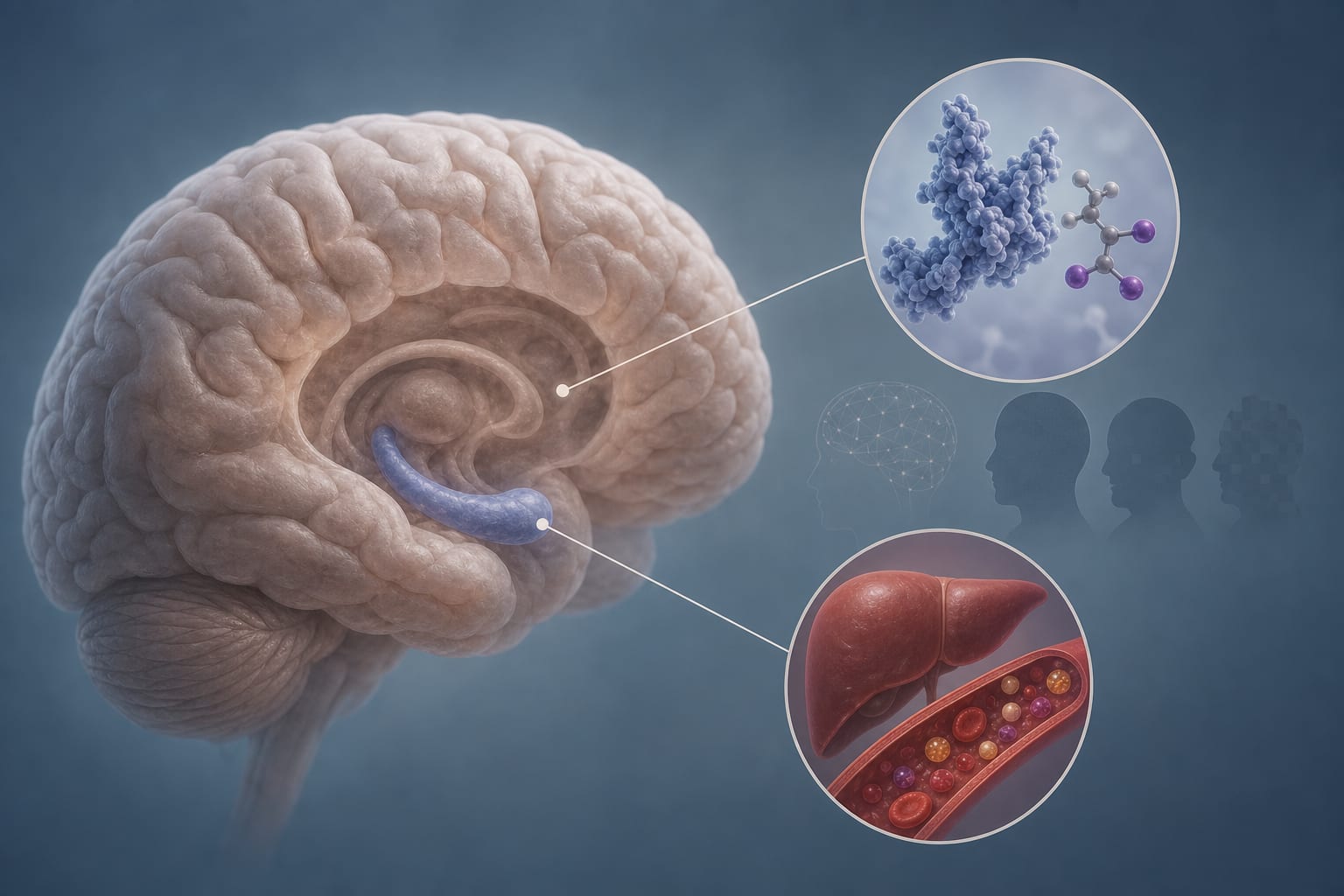
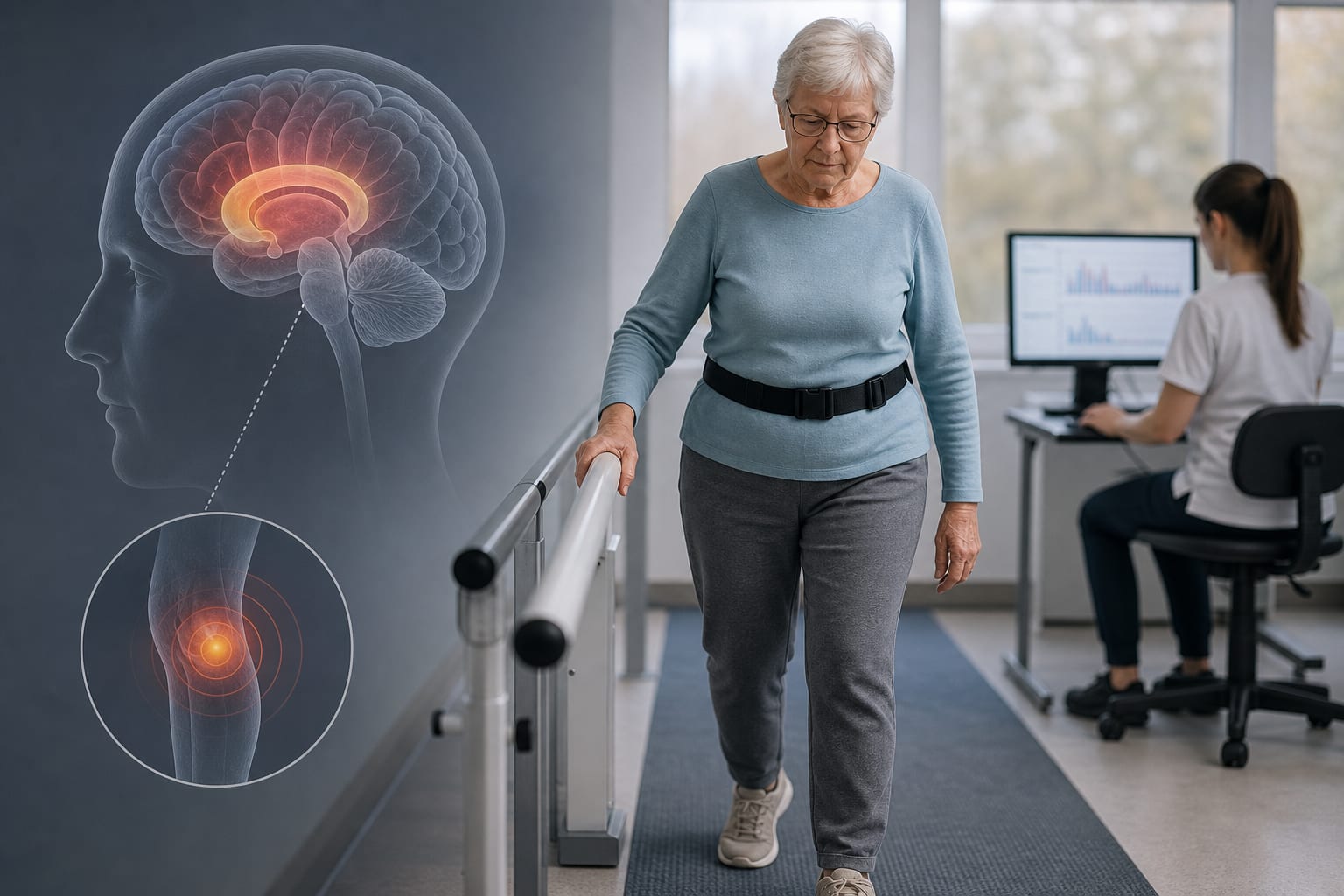
Mouse models of systemic and brain-specific PDC deficiency replicate several cerebral abnormalities seen in PDC-deficient subjects.
Animal models have provided insights into impairments in cellular proliferation, migration, and differentiation due to PDC deficiency.
All animal models studied so far have null mutations in PDC genes; creating missense mutations is necessary for understanding genotype–phenotype relationships.
Interpretation:
Animal models are valuable for evaluating dietary and drug treatments for PDC deficiency and understanding its metabolic implications.
Limitations:
Current models primarily carry null mutations, limiting the exploration of specific genotype–phenotype correlations.
The clinical phenotypic spectrum of PDC deficiency is heterogeneous, complicating the establishment of clear genotype-phenotype relationships.
Conclusion:
Animal models, especially mice, are essential for studying PDC deficiency and its effects on metabolism and cerebral development.