To explore the transformation of diagnostic pathology and the increasing necessity for subspecialization due to advancements in technology, tumor biology, and the integration of digital tools.
Approach:
Key Findings:
The complexity of modern diagnostics necessitates subspecialization in pathology.
Pathologists focusing on specific areas, like genitourinary pathology, demonstrate improved diagnostic consistency.
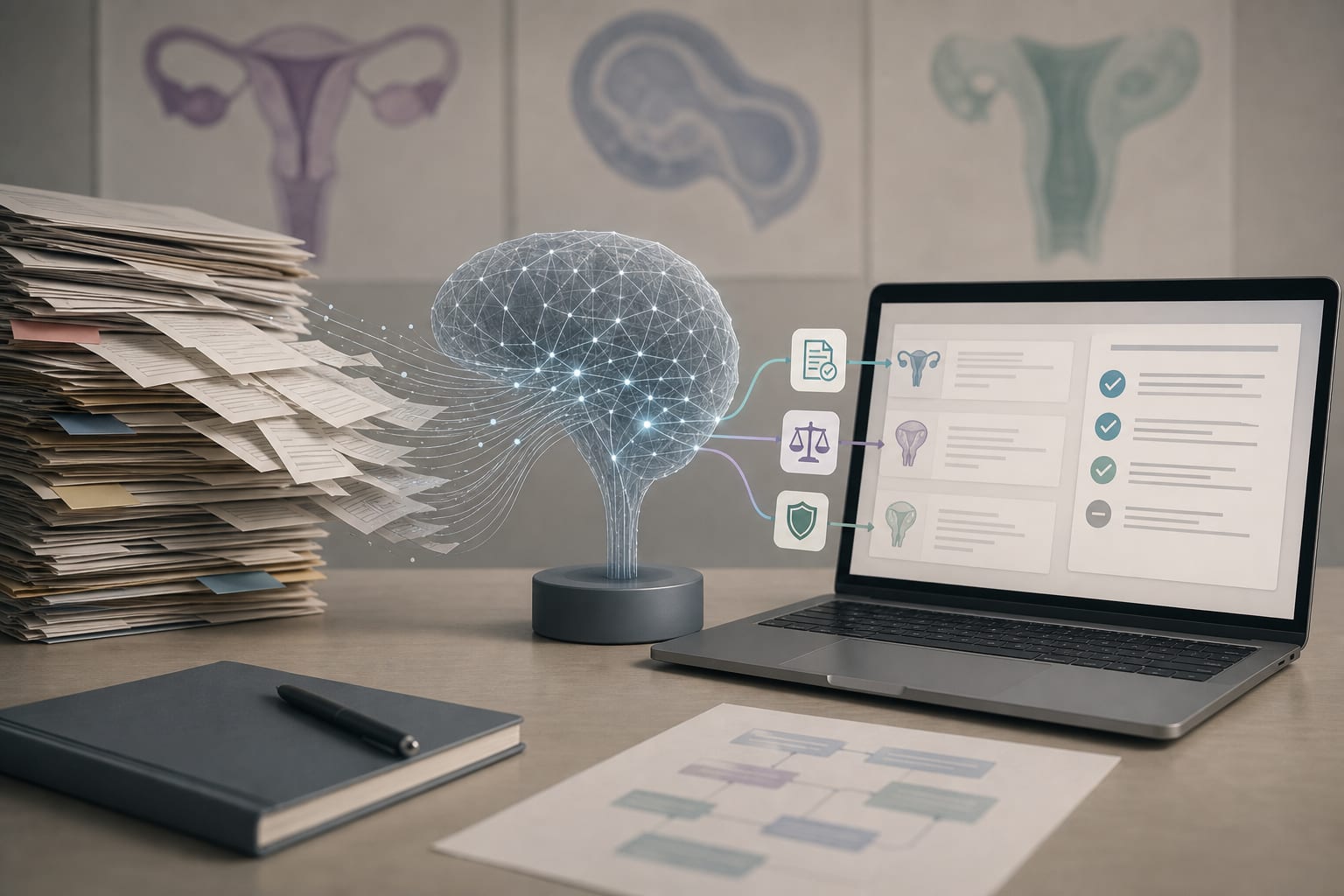
Digital pathology and AI enhance efficiency and accuracy, particularly in high-volume settings, reinforcing the need for subspecialization.
Interpretation:
The shift towards subspecialization in pathology is essential for managing the increasing complexity of diagnostic information, supported by technological advancements and specific examples of improved patient outcomes.
Limitations:
Smaller pathology practices may struggle to implement advanced technologies due to lower case volumes, impacting diagnostic accuracy.
The reliance on digital platforms may create disparities in access to subspecialty expertise, affecting patient care.
Conclusion:
Subspecialization in pathology is becoming critical as diagnostic complexity grows, with digital tools and AI enhancing the role of pathologists rather than replacing them, and fostering collaboration in patient management.